
Injury (trauma): causes, types, mechanisms, treatment and prevention
Concise overview of injury (trauma): definitions, common types (blunt, penetrating, thermal, chemical, electrical), mechanisms, first aid, diagnosis, rehabilitation, prevention and legal considerations.
Overview
An injury, often termed trauma in clinical and legal settings, is harm to the body or to one of its parts caused by an external force, agent or environmental factor. Injuries vary from superficial cuts, sprains and bruises to life‑threatening conditions such as severe head injury, spinal cord damage or major internal bleeding. Some injuries occur suddenly (acute), while others develop over time from repeated stress or misuse (chronic or overuse injuries).
Image gallery
7 Images


Classification and common types
Health professionals classify injuries by mechanism, severity and the tissues involved. Common categories include:
- Blunt injuries: Caused by impact without penetration, such as falls, blows and collisions; these may produce contusions, internal organ injury, or fractures.
- Penetrating injuries: When an object pierces the skin and deeper tissues, for example stab wounds or punctures; risk includes bleeding and infection.
- Thermal injuries: Burns from heat, flame or scalding liquids and cold injuries like frostbite; see burns for related care topics.
- Chemical injuries: Tissue damage from contact with corrosive or toxic substances, including skin and respiratory harm.
- Electrical and radiation injuries: Harm from current or ionizing/non‑ionizing radiation, which can affect skin, nerves and internal organs.
- Overuse and repetitive strain: Gradual injuries to tendons, muscles or joints from repeated activity.
Mechanisms and determinants of severity
The severity of an injury depends on the energy or agent involved, the duration of exposure, the anatomical structures affected and the victim's underlying health. Small wounds may heal with basic care, whereas injuries to the head, chest, abdomen or spine can produce secondary and long‑term consequences. Assessment of airway, breathing, circulation and consciousness is central to early evaluation.
Diagnosis and initial assessment
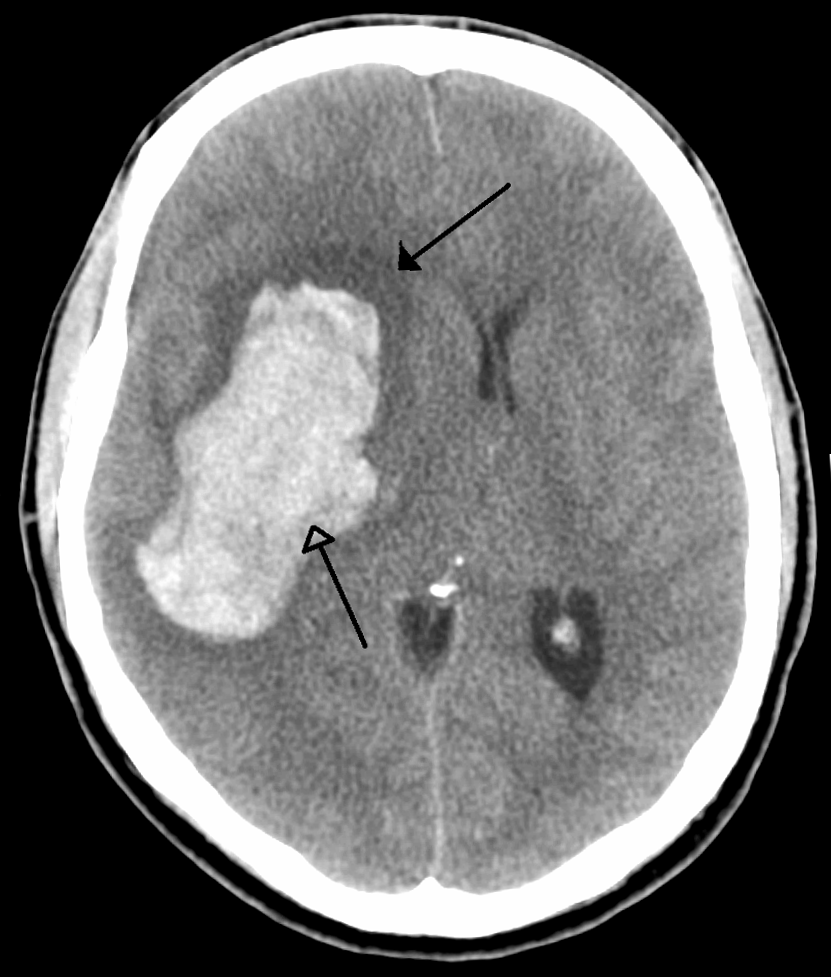
Diagnosis combines clinical examination with selective use of imaging and laboratory tests. X‑rays, ultrasound, computed tomography and MRI help define fractures, internal bleeding or organ injury. Prompt identification of life‑threatening problems—airway obstruction, severe hemorrhage, tension pneumothorax or spinal instability—guides urgent interventions and transfer to higher‑level care when needed.
First aid and emergency management
Immediate measures aim to preserve life and prevent further harm: ensure the scene is safe, check responsiveness and breathing, control severe bleeding, and immobilize suspected fractures or spinal injuries. For non‑critical wounds, cleaning, dressing and tetanus prevention are typical first steps. Distinguishing between accidental and non‑accidental injury is important for safety and legal reporting.
Treatment and rehabilitation
Definitive treatment ranges from simple wound closure and casting to complex surgery, intensive care and prolonged rehabilitation. Pain control, infection prevention and restoration of function are key goals. Rehabilitation—physiotherapy, occupational therapy and psychological support—often determines long‑term recovery and return to daily activities.
Complications and long‑term outcomes
Complications can include chronic pain, infection, impaired mobility, neurological deficits and psychological effects such as anxiety or post‑traumatic stress. Outcomes vary widely; timely and appropriate care plus rehabilitation improve the chances of meaningful recovery.
Intentional versus unintentional injury
Injuries are also described by intent. Accidental injuries occur without deliberate harm, for example household falls or slips. Intentional injuries result from deliberate actions by self or others and are relevant to forensic investigation, legal processes and prevention programs. Traffic incidents are a common form of accidental injury; a traffic collision may produce a spectrum of trauma from minor whiplash to severe multisystem injury.
Prevention and public health
Preventive measures reduce both frequency and severity of injuries: use of seat belts and child restraints, helmets for cyclists and motorcyclists, workplace safety measures, safe storage of chemicals and medicines, fall‑prevention strategies for older adults, and public education. Injury prevention is a major focus of public health because injuries are a leading cause of disability and premature death in many groups.
Legal, forensic and social considerations
In medical‑legal contexts, documenting injuries accurately and assessing intent are important for patient care, reporting obligations and legal proceedings. For vulnerable populations, such as children or the elderly, suspected non‑accidental injury prompts safeguarding actions. Social support and community resources also play roles in recovery and prevention.
See also: wound care, fracture management, traumatic brain injury, occupational safety, emergency medicine.
Author
AlegsaOnline.com Injury (trauma): causes, types, mechanisms, treatment and prevention Leandro Alegsa
URL: https://en.alegsaonline.com/art/47373