
Rubber: natural and synthetic elastomers
Flexible, elastic materials derived from plant latex or synthesized polymers; used in tires, seals, gloves and many industrial products. Covers properties, production, uses, history and environmental issues.
Rubber is a class of elastic materials best known for their stretchiness and ability to return to shape. At a basic level rubber is formed from long repeating molecular chains: it is a type of polymer. The term covers both natural rubber, harvested as latex from trees, and a wide range of synthetic rubbers produced by chemical polymerization.
Image gallery
10 Images



Key properties
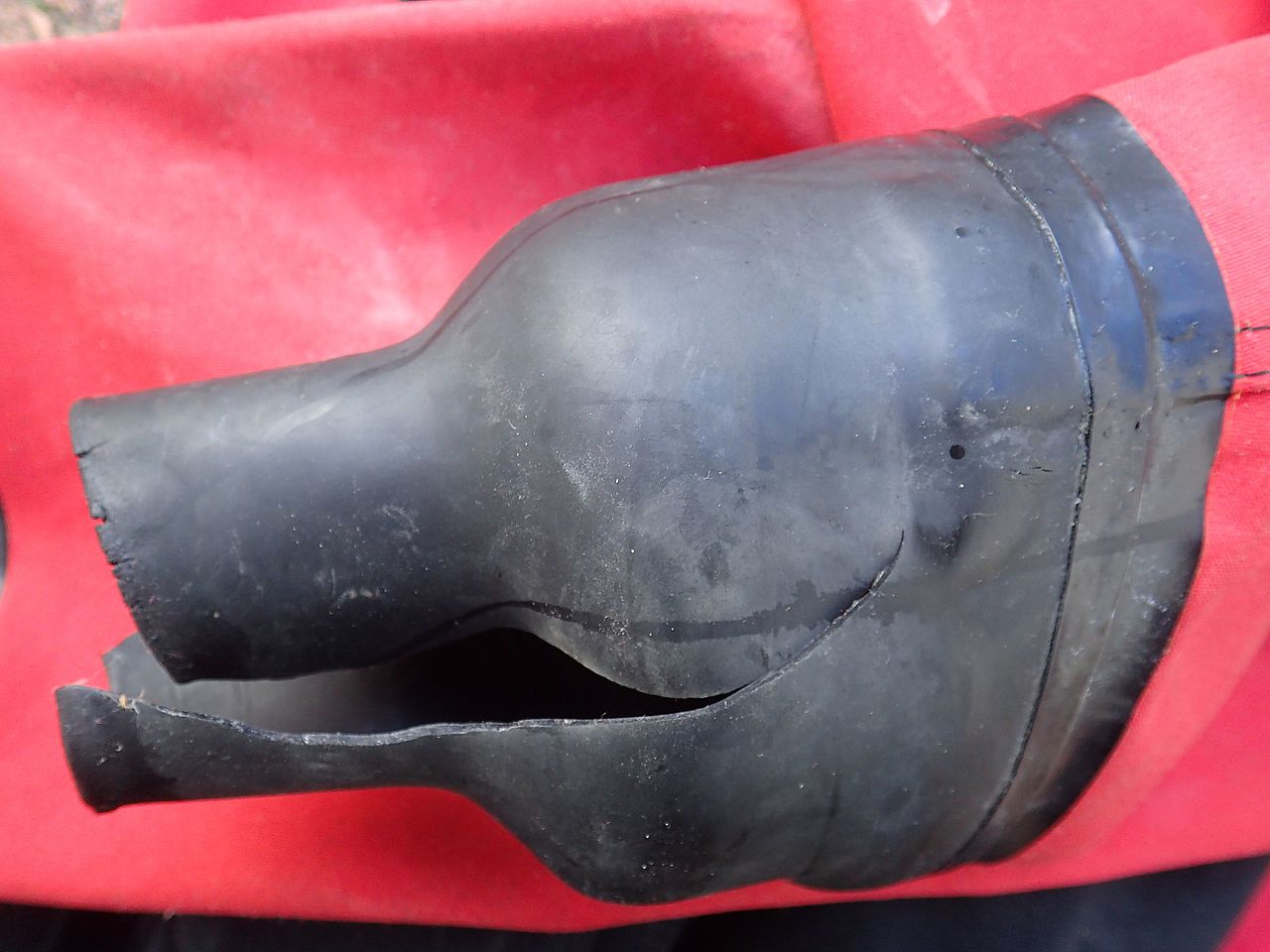
Rubber is valued for high elasticity, resilience, low permeability to gases and water, and good damping of vibration. Its mechanical and chemical behavior depends on molecular structure, crosslinking (vulcanization) and additives such as fillers and antioxidants. Untreated natural rubber is soft and tacky; crosslinking transforms it into a tougher, more durable material.
Origins and production
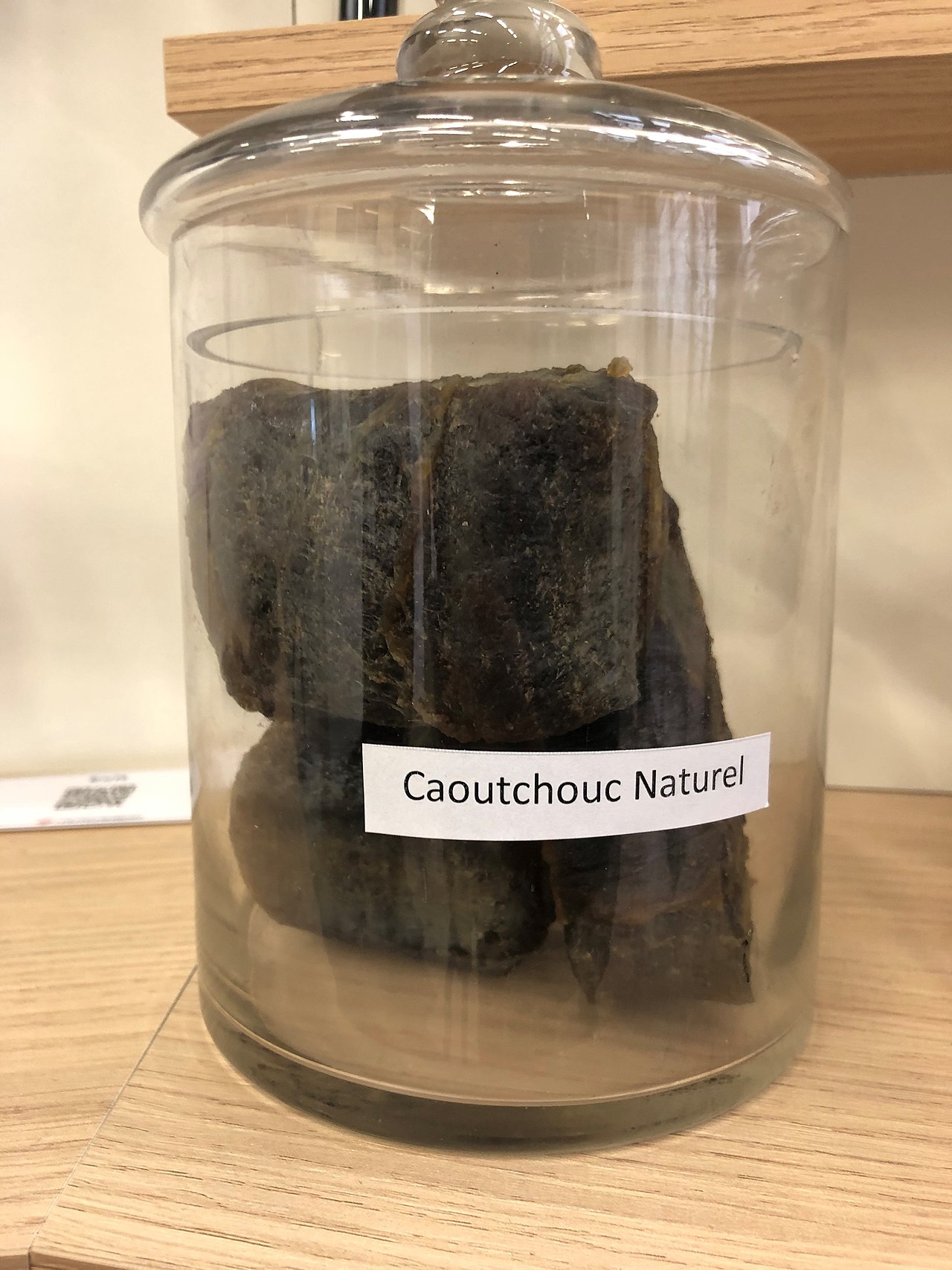
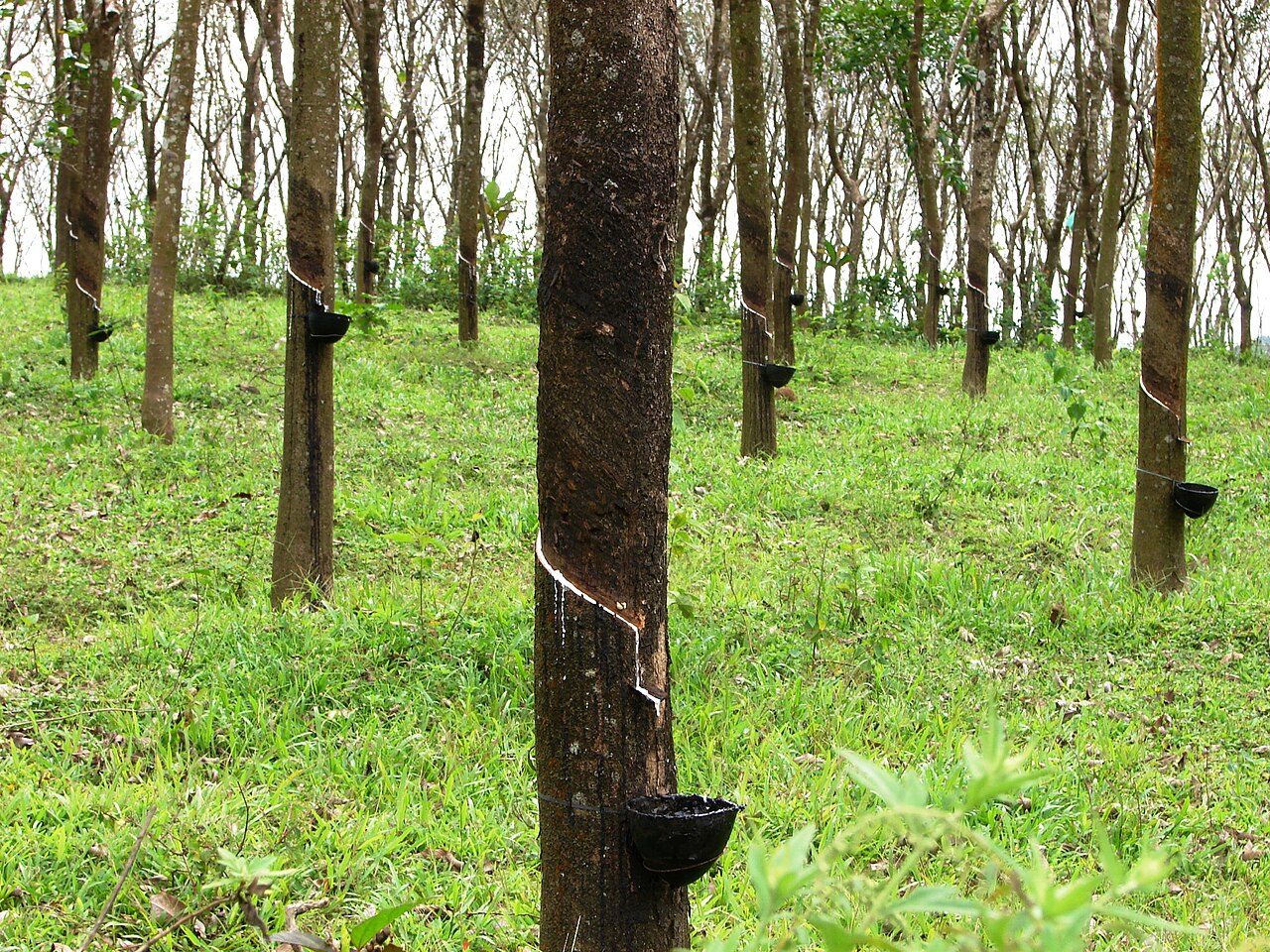
Natural rubber is extracted from the milky sap (latex) of certain plants, most famously the Pará rubber tree Hevea brasiliensis, a member of the Euphorbiaceae family. Latex is collected, concentrated and coagulated to yield raw rubber, which is then processed and compounded for specific uses. Synthetic rubbers — for example styrene-butadiene rubber, nitrile rubber and polychloroprene — are produced in industrial reactors from petroleum-derived monomers.
History and development
Indigenous peoples in the Americas used natural rubber for centuries before wider global use. The material became industrially important after methods for stabilizing and hardening it were developed; a process known as vulcanization (sulfur crosslinking) gave rubber improved durability and heat resistance and enabled mass manufacture of tires and other goods.
Uses and examples
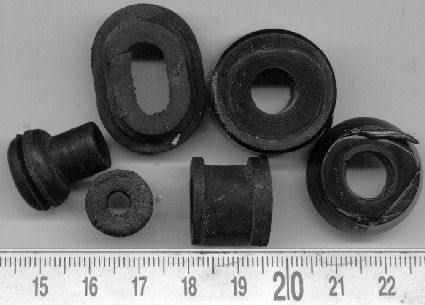
Rubber appears in many everyday and industrial items: vehicle tires, hoses, belts, gaskets, footwear soles, gloves, elastic bands and vibration mounts. Different recipes of polymer type, filler and processing yield products tailored for abrasion resistance, chemical resistance, low temperature flexibility or electrical insulation.
Distinctions, health and environmental notes
- Natural vs synthetic: natural rubber offers elasticity and fatigue resistance; synthetics provide specific chemical and temperature performance.
- Allergy: some people react to proteins in natural latex; alternatives and protein-reduced latex exist.
- Environmental: natural rubber is plant-derived but cultivation affects land use; many synthetic rubbers are petroleum-based and recycling (especially of tires) is a major challenge and industry focus.
Together, natural and synthetic rubbers form a broad family of materials central to transportation, healthcare, industry and consumer goods. Advances in polymer chemistry and recycling continue to shape how rubber is produced and reused.
Questions and answers
Q: What is rubber?
A: Rubber is a type of material called a polymer.
Q: How is rubber produced?
A: Rubber can be produced from natural sources (e.g. natural rubber) or can be synthesised on an industrial scale.
Q: What are some things that are made from rubber?
A: Many things are made from rubber, like gloves, tires, plugs, and masks. A few things can be made only from rubber.
Q: What does the word "rubber" sometimes refer to specifically?
A: Sometimes the word means only natural rubber (latex rubber).
Q: Where does natural rubber come from?
A: Natural rubber is made from the white sap of some trees such as the Hevea brasiliensis (Euphorbiaceae).
Q: Are there any other types of rubbers besides natural ones?
A: Yes, there are other elastomers called synthetic rubbers which are made by chemical processes.
Related articles
Author
AlegsaOnline.com Rubber: natural and synthetic elastomers Leandro Alegsa
URL: https://en.alegsaonline.com/art/84555
Sources
- bouncing-balls.com : Untitled Document