
Sport: definition, forms, history, health benefits and spectatorship
Comprehensive overview of sport: what it is, common forms, origins, health and social benefits, organization, fans and notable distinctions between amateur and professional practice.
Overview
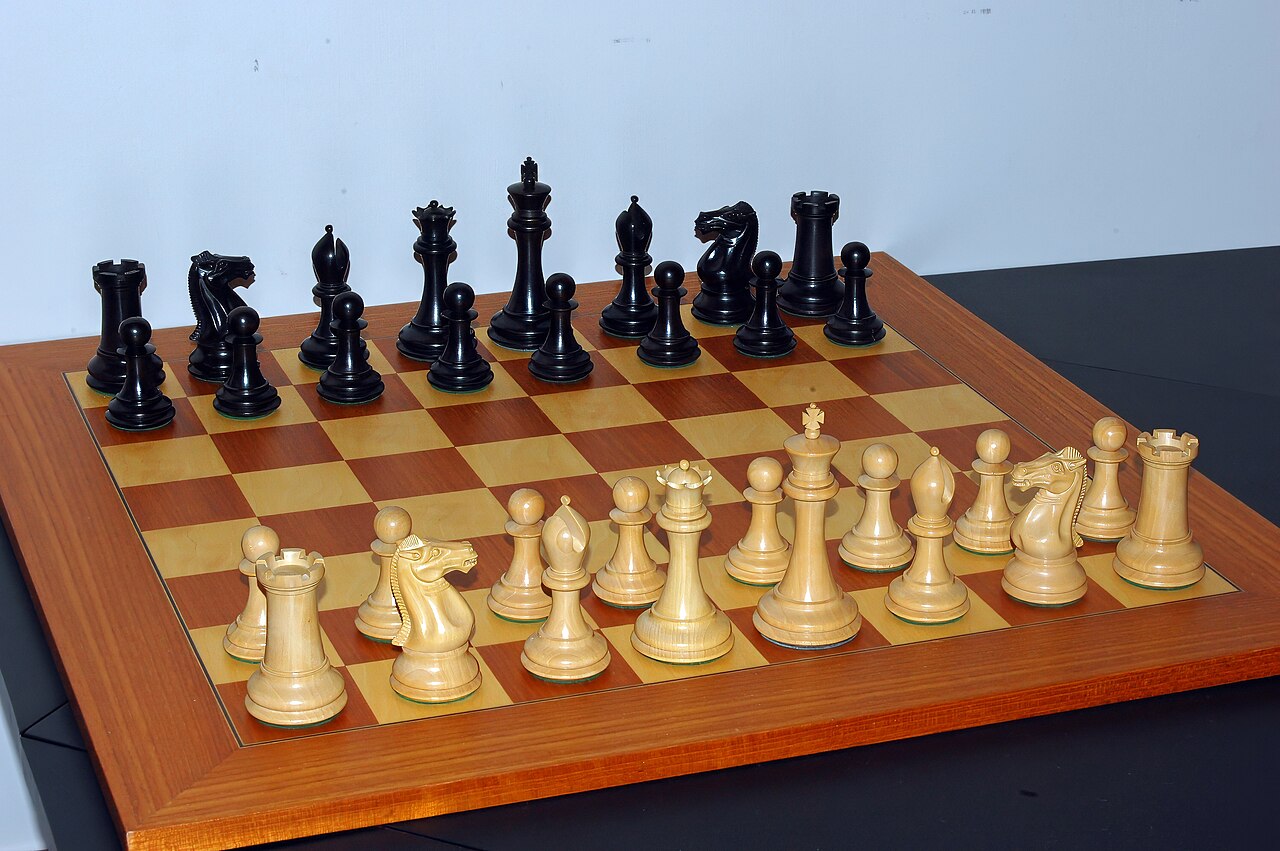
Sport is a range of organized physical activities that are typically governed by rules and involve some element of competition or performance. The term covers team games, individual contests, and timed or judged events. Examples often cited to illustrate the idea include netball and basketball, which are team sports with defined play areas and scoring systems: definition sources, netball and basketball. Sports can be amateur or professional, recreational or elite, and they are practiced for enjoyment, fitness, social interaction, or high-level competition.
Image gallery
10 Images






Key characteristics
Most sports share certain features: a codified set of rules, measurable objectives (such as goals, points or fastest time), and a system for resolving disputes or adjudicating results. They require physical skills, often combined with strategy and mental concentration. Sports may be contested by individuals or by groups; they may be played indoors or outdoors depending on facilities and climate (indoor/outdoor play). People commonly learn and improve their abilities with the help of coaches; teams and clubs provide structure for training and competition (coaches, teams). Informal participation—playing with friends—is also a major component of sporting life (playing with friends).
History and development
Human communities have used physical contests for ritual, military preparation, and entertainment for millennia. Over time, many local games were formalized, measured, and standardized so that competitors from different places could face one another. Some modern sports evolved directly from folk games, while others developed from specific disciplines such as track and field or various forms of racing (traditional games, racing). The 19th and 20th centuries saw the codification of rules, the founding of national and international federations, and the rise of organized competitions such as national leagues and the Olympic Games.
Health, education and social benefits
Participation in sport supports physical fitness, cardiovascular health, muscular strength, coordination and flexibility. Regular activity is linked to lower risk of chronic diseases and can improve mental well-being by reducing anxiety and depression and by supporting cognitive function. For children and adolescents, sport often contributes to social and emotional development: teamwork, discipline, goal-setting and resilience. Schools and community programs rely on sport as an educational tool and as a way to promote lifelong healthy habits.
Fans, media and venues
Watching sport is a major cultural activity. Spectators attend events in person at stadiums or arenas and follow competitions via broadcast media. Fans contribute to the social and economic ecosystem that supports professional sport: ticket sales, memberships and television audiences sustain leagues and athletes. Many fans watch on television or via streaming platforms while others go to live venues: television and broadcasts and stadiums and arenas shape how sports are consumed.
Examples and categories
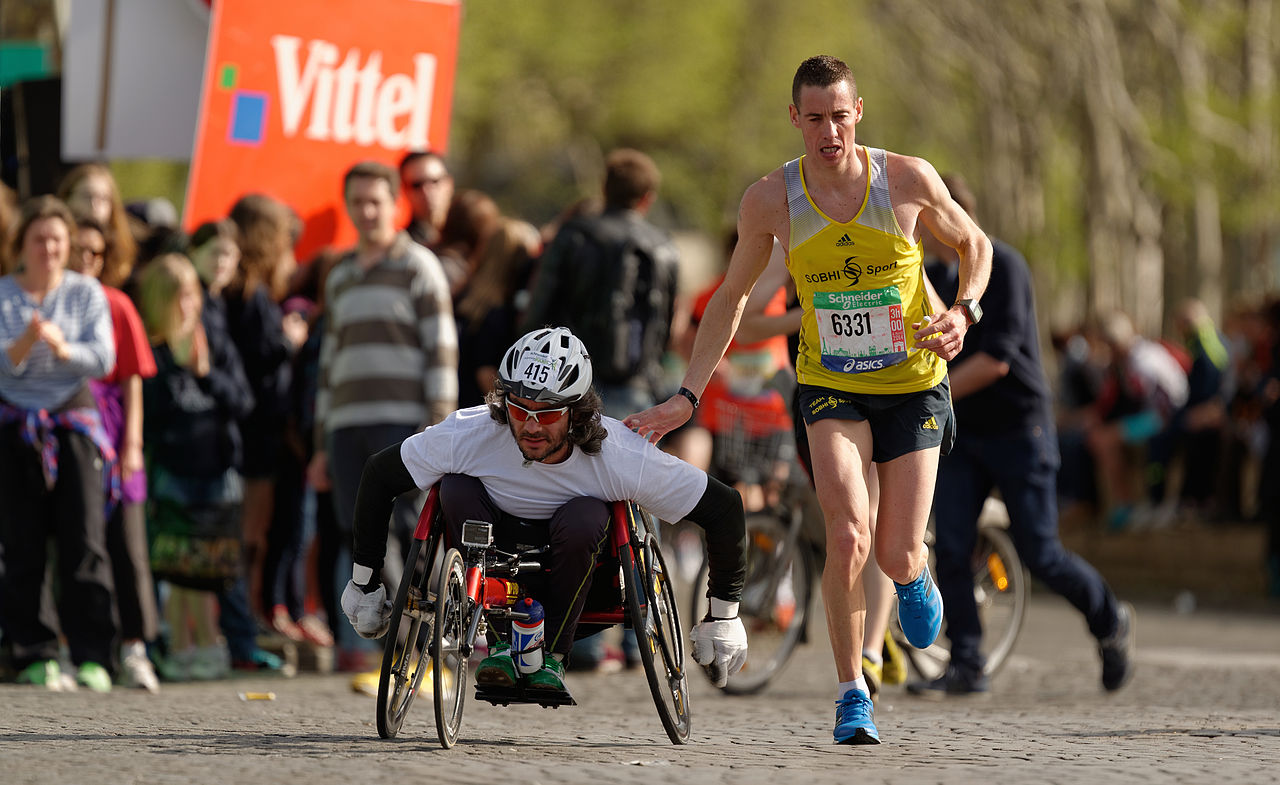
Sports are often grouped by shared characteristics. Common categories include team sports (football, basketball, netball), combat sports (boxing, wrestling), racquet sports (tennis, badminton), aquatic sports (swimming, rowing) and endurance events (marathon running, cycling). Below are representative examples:
- Team sports: football, rugby, basketball
- Individual competitive sports: athletics, gymnastics
- Races: track sprints, marathons, motor racing
- Recreational and adventure sports: climbing, surfing
Sport remains a dynamic part of human culture, blending tradition with innovation in rules, technology and organization. Whether pursued casually or at the highest level, sport shapes identities, promotes health, and brings communities together.
More on definitions | Netball | Basketball | Traditional games | Racing | Playing with friends | Coaching | Teams and clubs | Playing indoors and outdoors | Broadcasting | Venues
Questions and answers
Q: What is sport commonly defined as?
A: Sport is commonly defined as an athletic activity that involves a degree of competition, such as netball or basketball.
Q: What are some activities that are considered sports?
A: Some games and many kinds of racing are called sports.
Q: What do you call a professional at a sport?
A: A professional at a sport is called an athlete.
Q: Why do people need coaches in sports?
A: Many people play sports with their friends. They need coaches to teach or train teams or individuals how to do better.
Q: Can sports be played indoors or outdoors? By individuals or team?
A: Yes, sports can be played indoors or outdoors and by individuals or team.
Q: How can sports help reduce diseases?
A: Sports is needed for health and can help reduce diseases such as heart attacks, many types of cancer, depression and anxiety, and dementia.
Q: What role do sports play in the lives of children?
A: For children, sports play an extremely important part in their lives by providing all round development of the child, physically, mentally and emotionally.
Related articles
Author
AlegsaOnline.com Sport: definition, forms, history, health benefits and spectatorship Leandro Alegsa
URL: https://en.alegsaonline.com/art/92799