
Asterids: the large clade of flowering plants within the eudicots
Asterids are a major monophyletic group of eudicot flowering plants, characterized by fused petals and diverse chemistry; they include many food crops, ornamentals, herbs and trees.
Overview
The asterids are a major clade of angiosperms within the eudicots. Recognized in modern molecular classifications (for example the APG systems), they form a monophyletic group that unites a wide range of families once treated separately in older systems. Botanists often contrast asterids with other large eudicot clades because of shared floral and chemical characteristics that recur across many families.
Image gallery
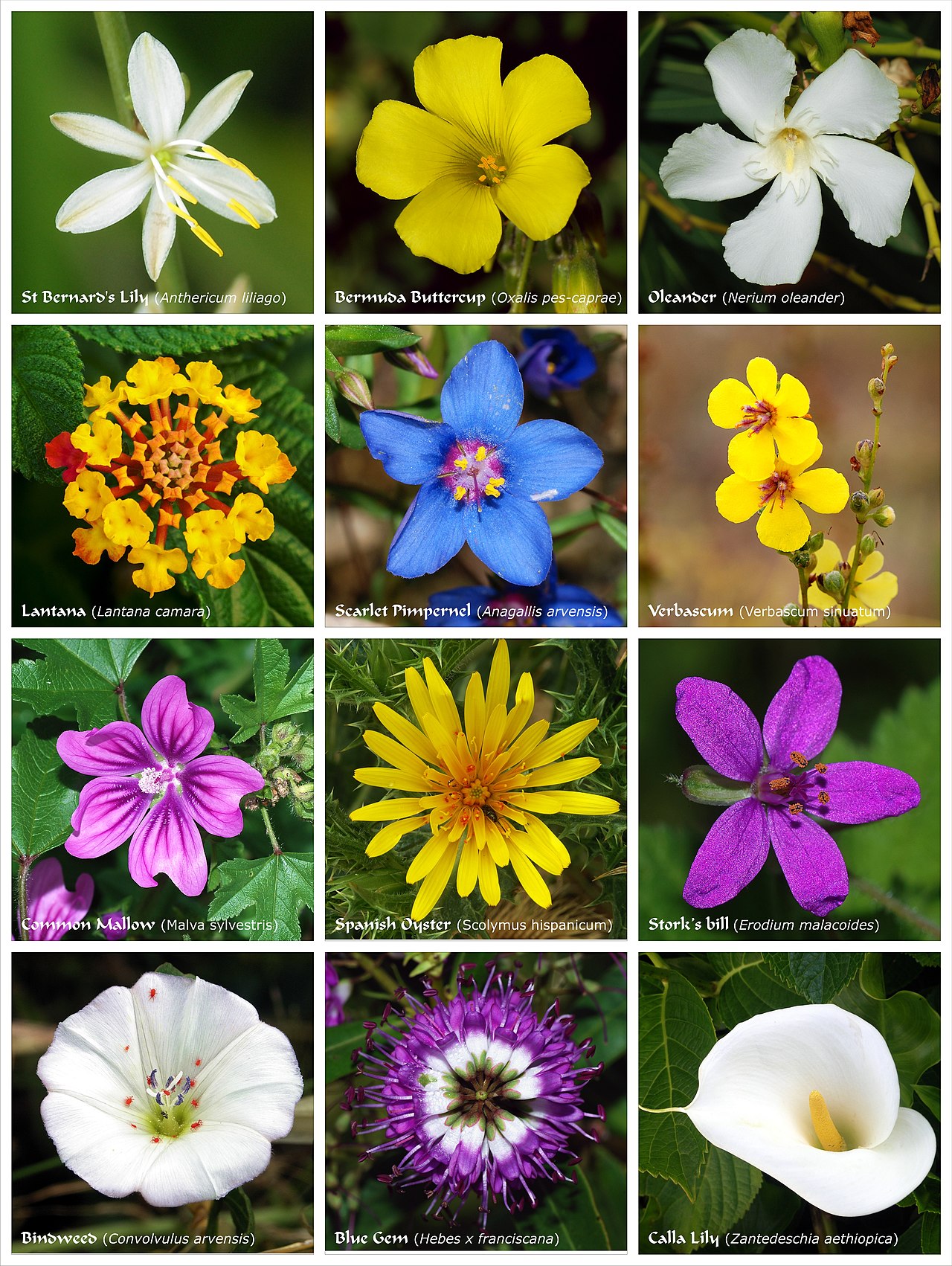
4 Images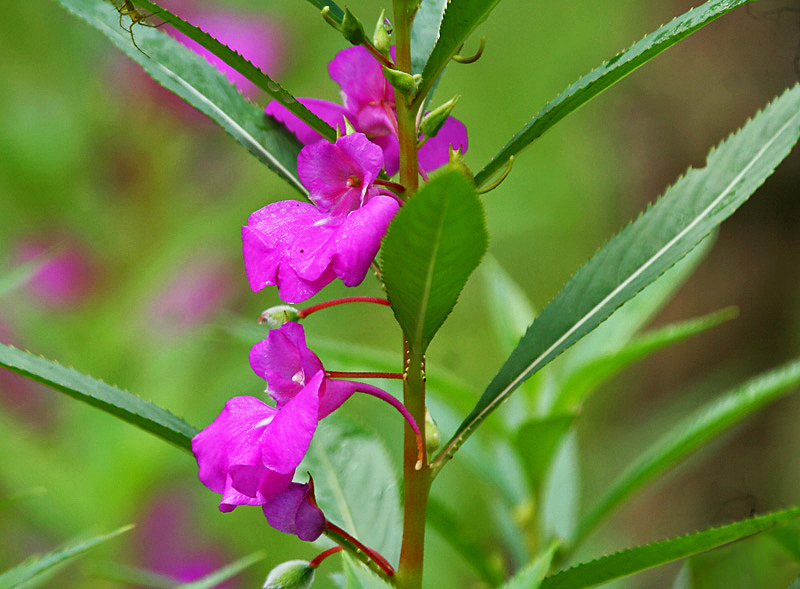


Typical characteristics
Although asterids are morphologically diverse, several traits are commonly observed: petals are frequently fused into a tubular corolla (sympetaly); stamens may be attached to the corolla (epipetaly); many species produce distinctive secondary compounds such as alkaloids and iridoids; and a tendency toward bilateral symmetry in flowers appears in several major groups. Habit ranges from herbs and shrubs to large trees, and fruit types are equally varied.
Diversity and examples
The clade contains many familiar plants important to people. Examples include ornamental and wild species as well as major crops. Common representatives are listed below with representative links to further resources:
- forget-me-nots
- potatoes, peppers, tobacco
- morning glory and sweet potato
- coffee and olive
- lavender, lilac, jasmine
- honeysuckle, ash tree, teak
- Ornamentals: petunia, forget-me-not, tomato relatives
- Herbs and spices: mint, basil, rosemary, sesame, other cultivated genera
Uses and economic importance
Asterids supply staple foods (for example the Solanaceae and Convolvulaceae include potato, tomato, pepper and sweet potato), beverages (coffee), widely used culinary herbs and spices, timber, and many garden ornamentals. Many species also yield pharmacologically active compounds used in traditional and modern medicine. Their economic and cultural value is high because so many familiar crops and garden plants belong to this clade.
Taxonomy, history and notable distinctions
The name "asterids" follows conventions established by molecular systematists to denote a clade roughly equivalent to older groupings such as the Asteridae. Modern systems based on DNA sequence data divided the asterids into major subgroups (often called lamiids or euasterids I, and campanulids or euasterids II), together encompassing roughly seventeen orders as circumscribed in some APG treatments. Distinctive families include the large Asteraceae and Solanaceae as well as Lamiaceae and many others; despite shared features, asterids show extensive morphological and ecological diversity across the globe.
Further reading
Readers who want detailed treatments and family-level lists can consult floras and current phylogenetic summaries available through botanical references and academic resources (overview, selected family, crop groups, economic plants).
Related articles
Author
AlegsaOnline.com Asterids: the large clade of flowering plants within the eudicots Leandro Alegsa
URL: https://en.alegsaonline.com/art/6792
Sources
- onlinelibrary.wiley.com : onlinelibrary.wiley.com/doi/10.1046/j.1095-8339.2003.t01-1-00158.x/abstract;jsessionid=2B…
- species.wikimedia.org : Asterids