
Ash tree (Fraxinus): description, uses, distribution and threats
Ash (genus Fraxinus) are temperate trees in the olive family, known for pinnate leaves, winged seeds called keys, versatile hardwood, cultural roles, and modern threats such as pests and disease.
The ash is a group of trees in the genus Fraxinus, placed in the olive family Oleaceae. Across the genus there are roughly 45–65 species, including forms that are largely deciduous and a few evergreen types. Ashes are typically medium to large trees, familiar for their compound leaves, straight trunks and seeds carried on thin wings.
Image gallery
10 Images




Key characteristics
Ash trees share several morphological features that make them recognizable:
- Leaves: pinnate, usually with paired leaflets and a single terminal leaflet; many species produce around nine to thirteen leaflets on a full leaf.
- Seeds: the fruit is a winged samara. The flat, winged seeds are commonly called seeds or keys, and botanically are a type of samara often dispersed by wind (samara fruit).
- Buds and bark: buds are often dark and velvety; traditional descriptions compare their form to a bishop’s mitre. Bark texture varies by species and age, often furrowed on mature trees.
Distribution, species and history
Ash species are native mainly to temperate regions of the Northern Hemisphere, with representative species such as the European ash, white ash and green ash found across Europe and North America. Fossil records show relatives of modern ashes in ancient forests, and the trees have been managed, cultivated and moved by people for centuries because of their useful wood and ornamental value.
Uses and examples
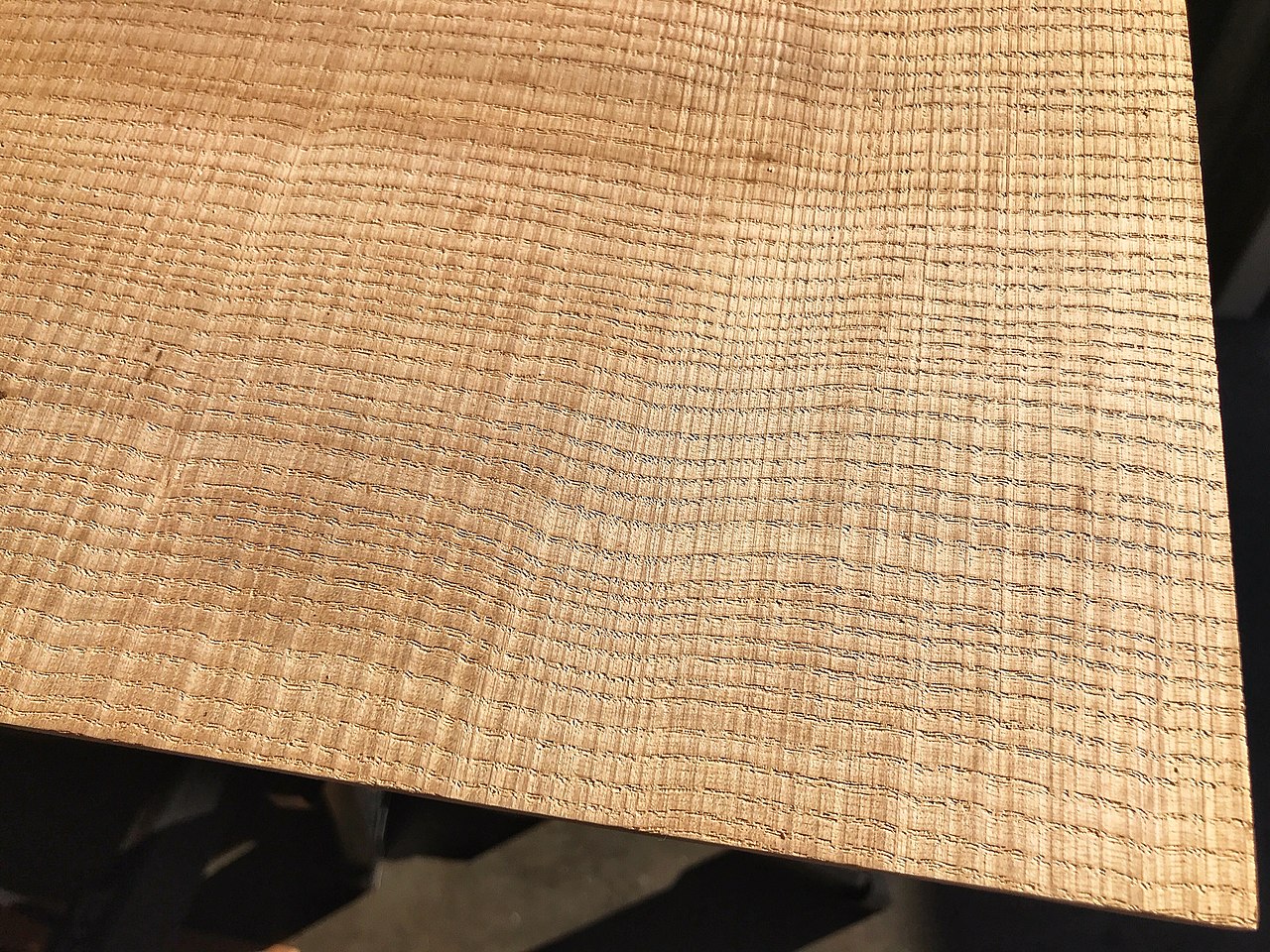
Ash wood is valued for its strength, elasticity and straight grain. It has a long history of use for tools, tool handles, furniture and sports equipment. Notable examples include baseball and softball bats and wooden bows; the timber also serves well as firewood and for agricultural implements. Smaller species or young stems have been used traditionally for shafts, hoops and woven items.
Cultural significance and threats
Ash trees appear in folklore and religion: in Norse tradition the world-tree Yggdrasil is often associated with the ash, and mythic figures such as Askr (the first man) are said to have been formed from ash wood, while the first woman was linked to the alder. In modern times, ashes face significant threats from invasive insects and fungal diseases. Two widely reported problems are the emerald ash borer and ash dieback; both can cause widespread mortality and have prompted large-scale management and conservation efforts.
Notable distinctions and management
Identification between ash species relies on leaf arrangement, bark and seed shape; some species are more tolerant of urban conditions while others favor riparian or woodland settings. Because of their ecological role—providing habitat, stabilizing soils and contributing to forest structure—conservation measures include monitoring, breeding for resistance, quarantines and selective removal in infected areas. For gardeners and land managers, choosing resilient species and practicing good biosecurity are important steps to sustain ash populations.
Questions and answers
Q: What is the scientific name of ash trees?
A: The scientific name of ash trees is Fraxinus, from the family Oleaceae.
Q: How many species are there in the family Oleaceae?
A: There are between 45 and 65 species in the family Oleaceae.
Q: What type of fruit do ash trees produce?
A: Ash trees produce a type of fruit known as a samara.
Q: What shape are the leaves of an ash tree?
A: The leaves of an ash tree are light-green, oval shaped, pinnate with 9 - 13 leaflets (small leaves) in pairs, with one at the tip.
Q: When do ash tree leaves appear and when do they shed?
A: The leaves appear relatively late in spring and are amongst the first to be shed in autumn.
Q: What is used to make tools from ash wood?
A: Ash wood is used to make various tools, handles, baseball and softball bats and bows. It also makes very good firewood. Ash trees are also perfect material for old fashion shafts for bow and arrows.
Q: In Norse Mythology what is Yggdrasil commonly thought to be made from?
A:In Norse Mythology, Yggdrasil is commonly thought to be an ash tree.
Tags
Related articles
Author
AlegsaOnline.com Ash tree (Fraxinus): description, uses, distribution and threats Leandro Alegsa
URL: https://en.alegsaonline.com/art/6523
Sources
- commons.wikimedia.org : Fraxinus
- dontmovefirewood.org : "The Problem"
- bspp.org.uk : "First report of the ash dieback pathogen Chalara fraxinea on Fraxinus excelsior in Austria"
- bspp.org.uk : "Chalara fraxinea causing common ash dieback newly reported in Slovenia"
- bbc.co.uk : "'Ash dieback' fungus Chalara fraxinea in UK countryside"
- bbc.com : "Ash tree set for extinction in Europe"
- wikidata.org : wikidata.org/wiki/Q128887
- catalogue.bnf.fr : cb12012125r
- data.bnf.fr : (data)
- d-nb.info : 4615420-6
- id.loc.gov : sh85008581