
Aubergine (Eggplant)
Aubergine, also called eggplant or brinjal, is Solanum melongena — a warm‑season berry of the nightshade family grown worldwide for its edible flesh and skins.
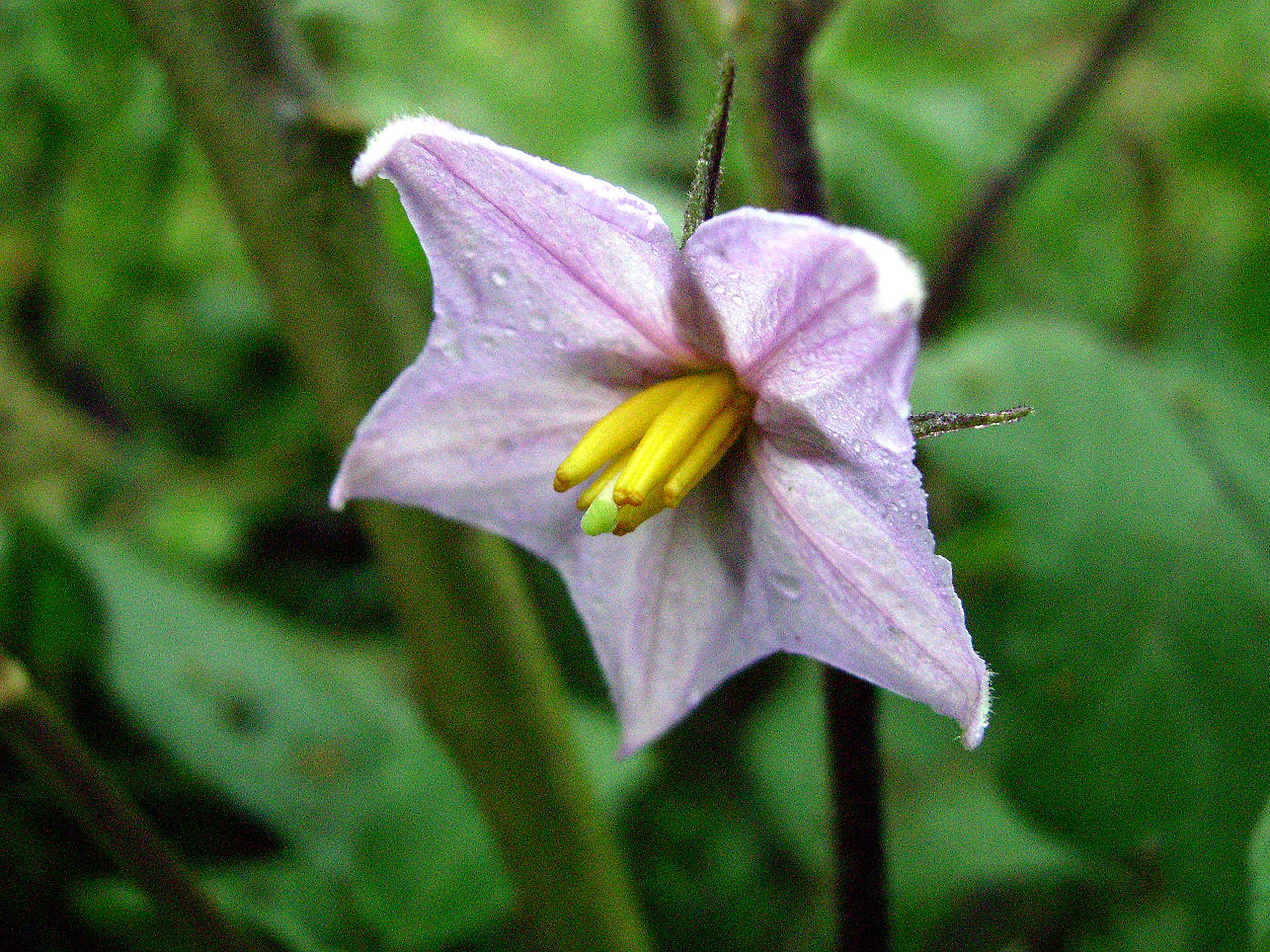
The aubergine (Solanum melongena), commonly known in English as eggplant and in many parts of Asia as brinjal, is a warm‑season plant cultivated for its edible fruit. Botanically the aubergine is a fruit — specifically a type of berry — although it is treated and cooked as a vegetable in most cuisines. It belongs to the nightshade family (Solanaceae) and is related to other familiar crops such as the potato and the tomato. Wild and cultivated forms vary widely in shape, size and color.
Image gallery
10 Images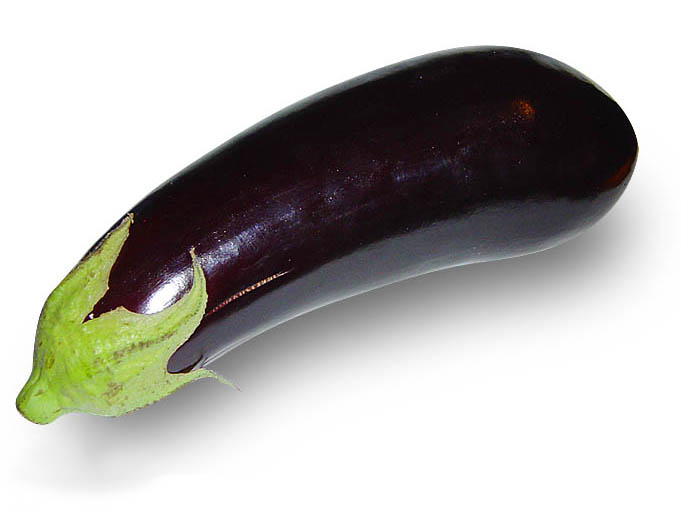


Characteristics and varieties
Aubergines range from small, slender Asian types to large, teardrop or balloon shapes common in Europe. Typical skin colors are deep purple, white, green or striped, and flesh is usually pale and spongy with numerous small seeds. Many varieties have glossy skin rich in anthocyanin pigments — notably nasunin — which give dark purple cultivars their color and are studied for antioxidant properties. Young fruits are tender; as they age the flesh can become bitter and develop tougher seeds.
Common categories include:
- Japanese and Chinese types: small, elongated and thin‑skinned;
- Italian and Mediterranean types: medium to large, rounded and often used in baking and frying;
- Round or egg‑shaped (the origin of the English name "eggplant"), often white or pale;
- Long, slim South Asian types, frequently used in curries and stir‑fries.
History and origin
The aubergine has its origins in South and Southeast Asia and was domesticated long before the modern era. From its center(s) of origin it spread westward across the Middle East and into the Mediterranean, largely via trade and cultural exchanges. Its name in European languages reflects a mix of influences: many modern forms derive from Arabic and Persian words that in turn built on older Indian terms. The English name "eggplant" emerged because some early cultivated types were small and pale and resembled eggs; other regional names, including "aubergine" and "brinjal," reflect separate linguistic routes.

Culinary uses and nutrition
Aubergine is valued for its ability to absorb flavors and its meaty texture when cooked. Common preparations include grilling, roasting, frying, stewing and stuffing. Signature dishes around the world include Mediterranean moussaka and ratatouille, Middle Eastern and Levantine baba ghanoush, and South Asian baingan bharta and various curries. Because the fruit soaks up oil, many recipes call for techniques that reduce oil absorption, such as salting and draining, roasting first, or pre‑cooking.
Nutritionally, aubergines are low in calories and supply dietary fiber, modest amounts of vitamins and minerals, and a variety of phytonutrients concentrated in the skin. Their antioxidant compounds have been the subject of research for potential health benefits, though aubergine is best known as a versatile culinary ingredient rather than a concentrated nutrient source.
Cultivation and uses beyond food
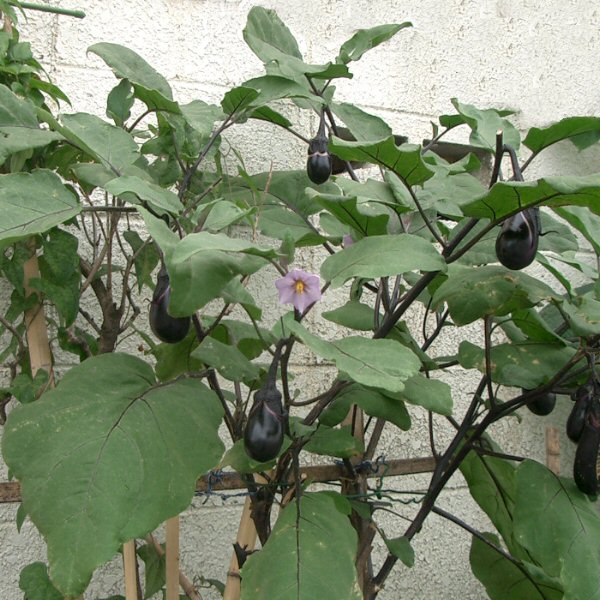
Aubergines are grown from seed in warm climates or as annuals elsewhere; they require a relatively long, frost‑free growing season and perform best with steady warmth and sun. Common pests and challenges include insect pests such as flea beetles, fungal diseases and uneven fruit set in cool conditions. Breeding programs have produced varieties adapted to different climates and pest resistances.
Beyond cooking, aubergines have been used in small‑scale traditional remedies and as subjects in agricultural research into plant pigments and fruit physiology. They also appear in cultural traditions, folklore and art in regions where they have long been cultivated.

Notable distinctions and facts
- Names: "aubergine," "eggplant" and "brinjal" are regional synonyms for the same species; usage varies by country and language.
- Botanical note: although commonly called a vegetable in cooking, the aubergine is technically a berry.
- Handling: some people remove the skin or salt slices to reduce bitterness, a traditional culinary practice in many cuisines.
- Research: the pigments and phenolic compounds in aubergine skin have attracted scientific interest for their antioxidant and membrane‑protective properties.
For further reading on cultivation details, culinary techniques and botanical descriptions, see linked resources: origin studies, regional uses, etymology and names, and broader plant and crop databases via the other references above.
Related articles
Author
AlegsaOnline.com Aubergine (Eggplant) Leandro Alegsa
URL: https://en.alegsaonline.com/art/7153