
Forget-me-not (Myosotis)
Forget-me-nots (Myosotis) are small, often blue flowering plants in the borage family, known for delicate clusters of blooms and a long history as a symbol of remembrance and true memory.
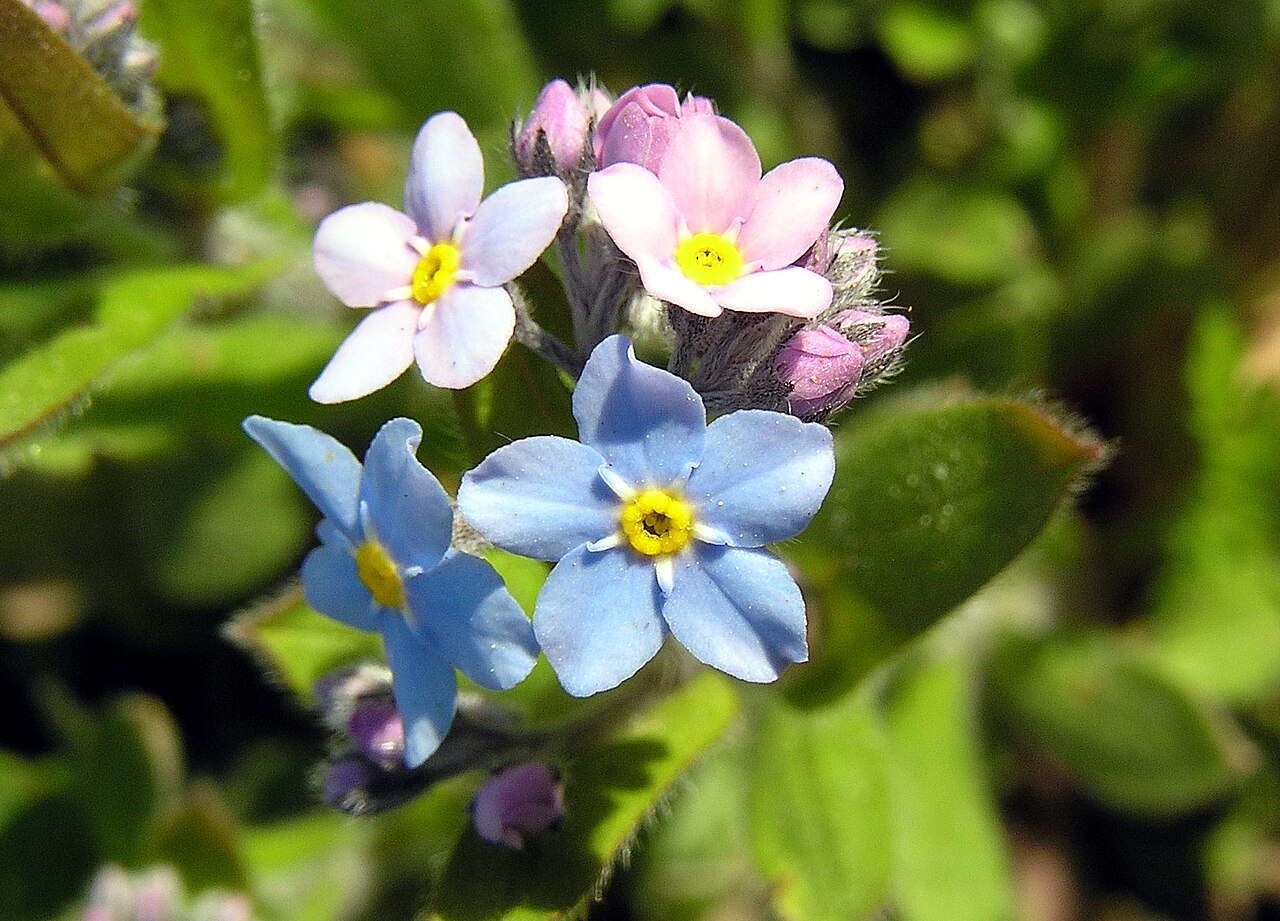
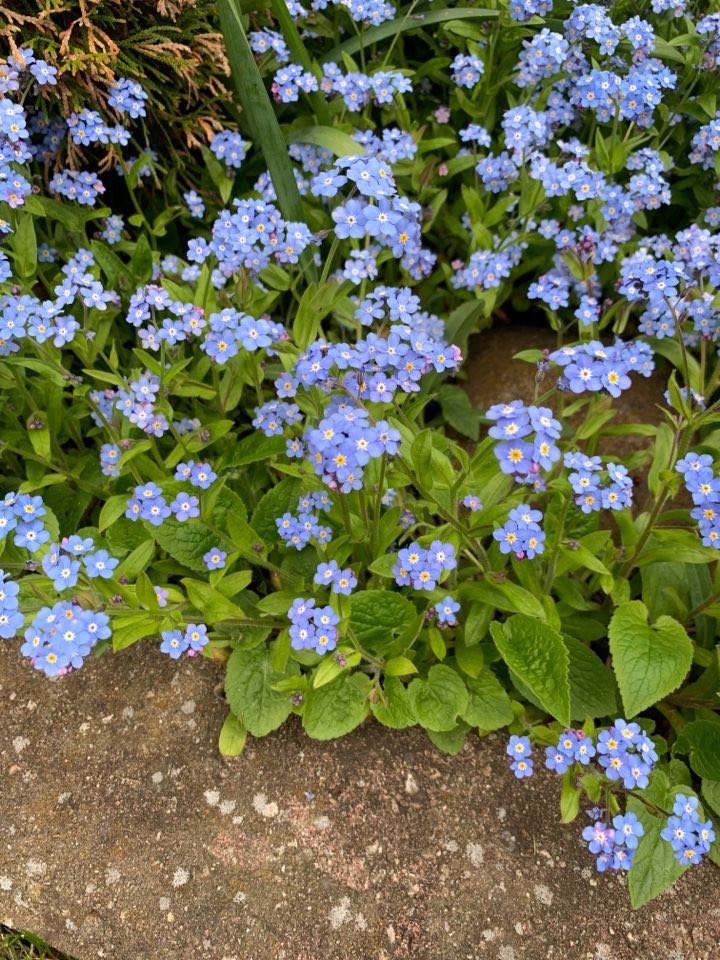
The genus Myosotis, commonly known as forget-me-nots, comprises a group of small flowering plants within the larger category of flowering plants. The name Myosotis is derived from Greek words meaning "mouse's ear," a reference to the shape and texture of the leaves. These plants belong to the family Boraginaceae and are best known for their petite, typically blue flowers with a pale or yellow center.
Image gallery
10 Images


Characteristics
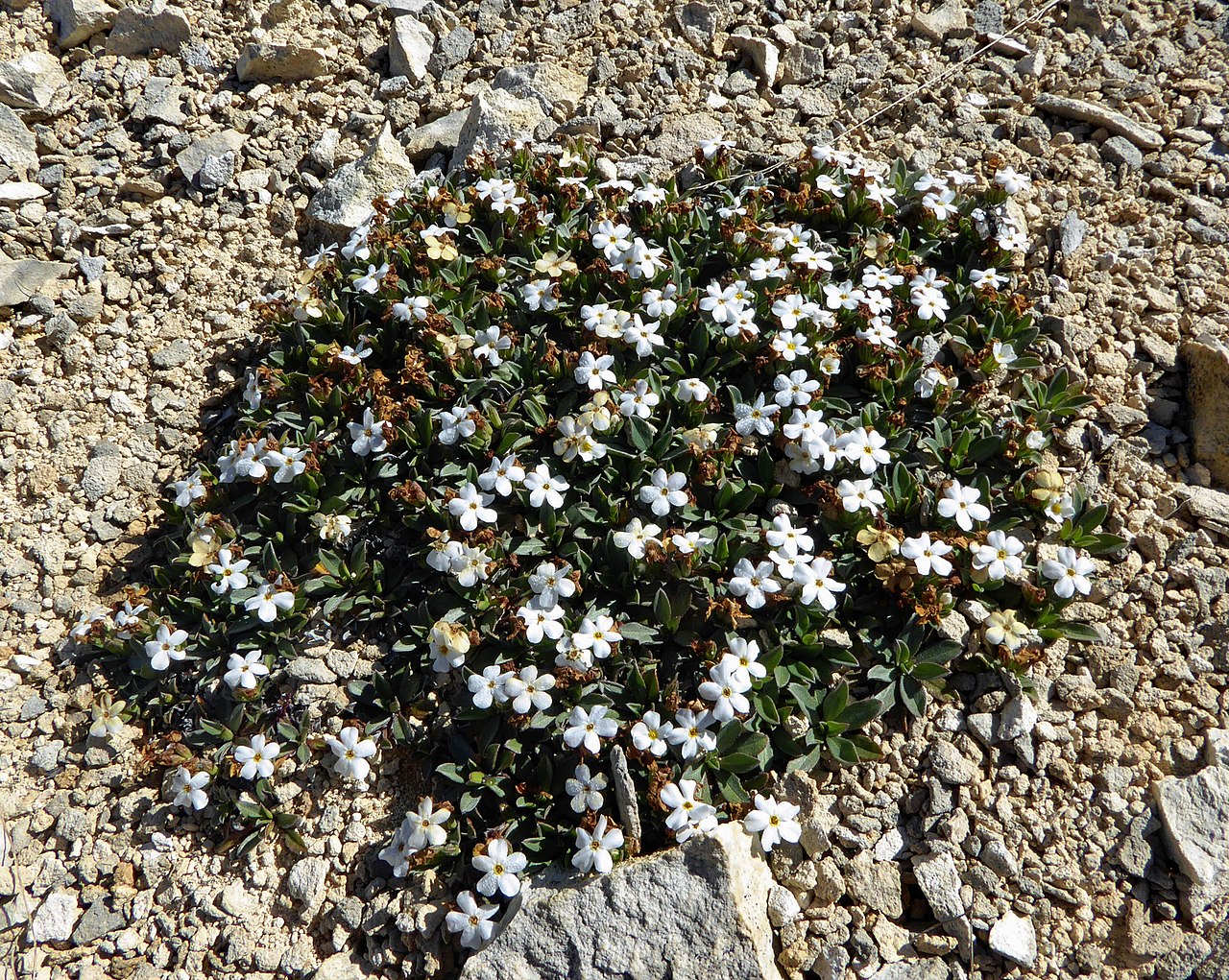
Forget-me-nots are usually low-growing herbs with hairy stems and simple leaves arranged alternately or in clusters. Flowers are small (often five-petaled), borne in coiled inflorescences that unfurl as they bloom. While blue is the classic color, some species produce pink or white flowers.
Distribution and habitat
Species of Myosotis occur across temperate regions of Europe, Asia, the Americas and some Pacific islands. They favor moist, cool environments such as stream banks, meadows and woodland edges. Several species are adaptable and naturalize readily in gardens and disturbed sites.
Cultivation and uses
- Garden use: popular in rockeries, borders and wildflower mixes for groundcover and spring displays.
- Growing requirements: prefer partial shade to full sun, consistently moist, well-drained soil; many varieties self-seed.
- Management: while generally easy to grow, a few species can become locally invasive if allowed to spread unchecked.
Symbolism, history and cultural notes
Forget-me-nots have long symbolized remembrance, fidelity and enduring love. They appear in folklore, Victorian flower language and modern commemorative uses. Some regions and organizations use the flower as an emblem for remembrance or heritage.
Species diversity and conservation
The genus contains several dozen species, some widespread and common, others restricted and of conservation concern. Habitat loss and competition from invasive plants threaten particular local endemics, making knowledge of species status important for conservation and restoration efforts.
Related articles
Author
AlegsaOnline.com Forget-me-not (Myosotis) Leandro Alegsa
URL: https://en.alegsaonline.com/art/35661