
Eudicots (eudicotyledons): characteristics, evolution, and importance
Eudicots are a major clade of flowering plants defined by shared structural and pollen characteristics. This article summarizes their key traits, major lineages, fossil history, common examples and ecological and economic roles.
The eudicots, or eudicotyledons, are a large and diverse clade within the flowering plants. They comprise the majority of what were traditionally called dicots and are distinct from the monocots and the smaller group of magnoliids. Historically the term dicots grouped together many species with two seed leaves, but modern classification separates eudicots as a natural (monophyletic) group defined by specific anatomical and reproductive features.
Image gallery
4 Images


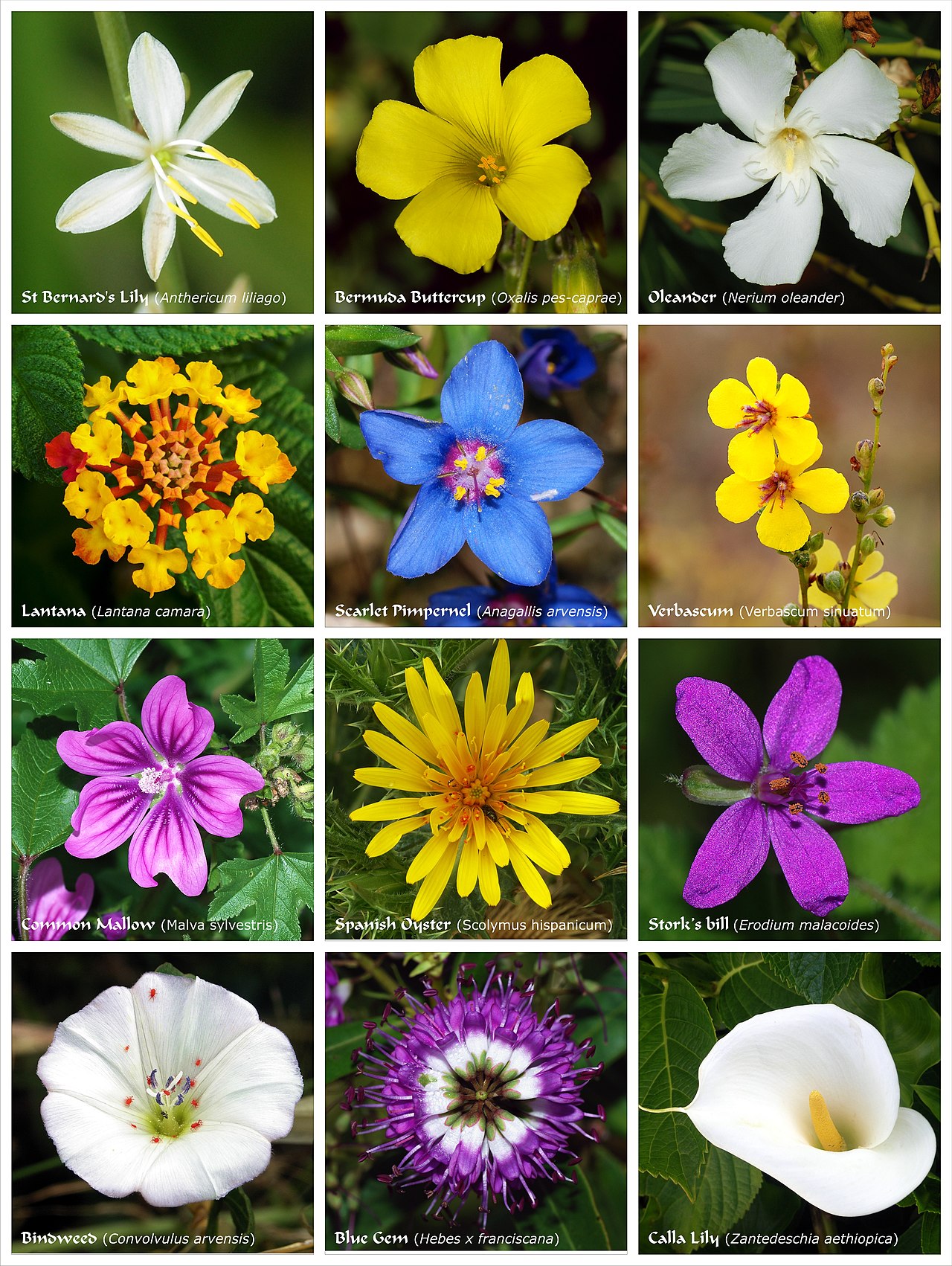
Defining characteristics
Eudicots share several diagnostic traits. Many have pollen grains with three apertures or furrows (tricolpate pollen), a feature used by botanists to recognize the group. Leaves typically show reticulate (net-like) venation rather than the parallel veins often seen in monocots; flowers commonly have parts (petals, sepals, stamens) arranged in fours or fives or multiples thereof. In stems, vascular bundles are often arranged in a ring, and roots may develop a pronounced taproot system. These features are general trends rather than absolute rules—exceptions occur across the clade.
Evolution and fossil record
Fossil and molecular evidence indicate that eudicots diversified during the Cretaceous period, when many modern groups of Cretaceous-age angiosperms first appeared alongside gymnosperms. They rose to ecological prominence through the later Mesozoic (Mesozoic era) and especially in the Cenozoic, gradually displacing many earlier dominant plant forms. Tree-like forms of angiosperms expanded in the mid- to late Cretaceous and by the Tertiary (Tertiary) many modern forest types had formed, contributing to large-scale changes in terrestrial ecosystems.
Major lineages and examples
The eudicots include several very large and ecologically important clades. Two of the most speciose groups are the rosids and the asterids, together accounting for a large portion of angiosperm diversity. Familiar plants that are eudicots range across herbs, shrubs and trees; examples include:
- forget-me-not — a common wildflower
- cabbage — a cultivated brassica
- apple — a temperate fruit tree
- dandelion — a widespread herbaceous plant
- buttercup — a typical wildflower of the ranunculids
- maple — a genus of trees valued for timber and syrup
Ecological and economic importance
Eudicots include many of the world’s food crops, medicinal plants, ornamentals and timber species. Their wide morphological variety allowed them to occupy diverse habitats, form complex interactions with insects and other animals, and drive much of the modern terrestrial biodiversity. In agriculture and horticulture, numerous staples and specialty crops are eudicots, making the clade central to human economies and diets.
Distinctions and notable facts
While the informal term "dicot" is still used in some contexts, it does not indicate a single evolutionary lineage. Eudicots represent the core lineage within that old concept, defined by molecular data and morphological traits such as tricolpate pollen. Their dominance in many ecosystems contrasts with monocots and magnoliids, and their fossil record helps trace major shifts in plant communities from the Mesozoic into the modern era.
For further reading and taxonomic details consult specialized botanical treatments and phylogenetic summaries: flowering plant overview, comparative pages on dicots and monocots, and focused resources on major lineages such as the rosids and asterids.
Related articles
Author
AlegsaOnline.com Eudicots (eudicotyledons): characteristics, evolution, and importance Leandro Alegsa
URL: https://en.alegsaonline.com/art/32470