
Lilac (Syringa): fragrant shrubs and small trees for spring gardens
Lilacs are deciduous shrubs or small trees in the genus Syringa, prized for fragrant spring flower clusters, garden use, and many cultivated varieties; the plant is associated with ornamental and cultural traditions.
Overview
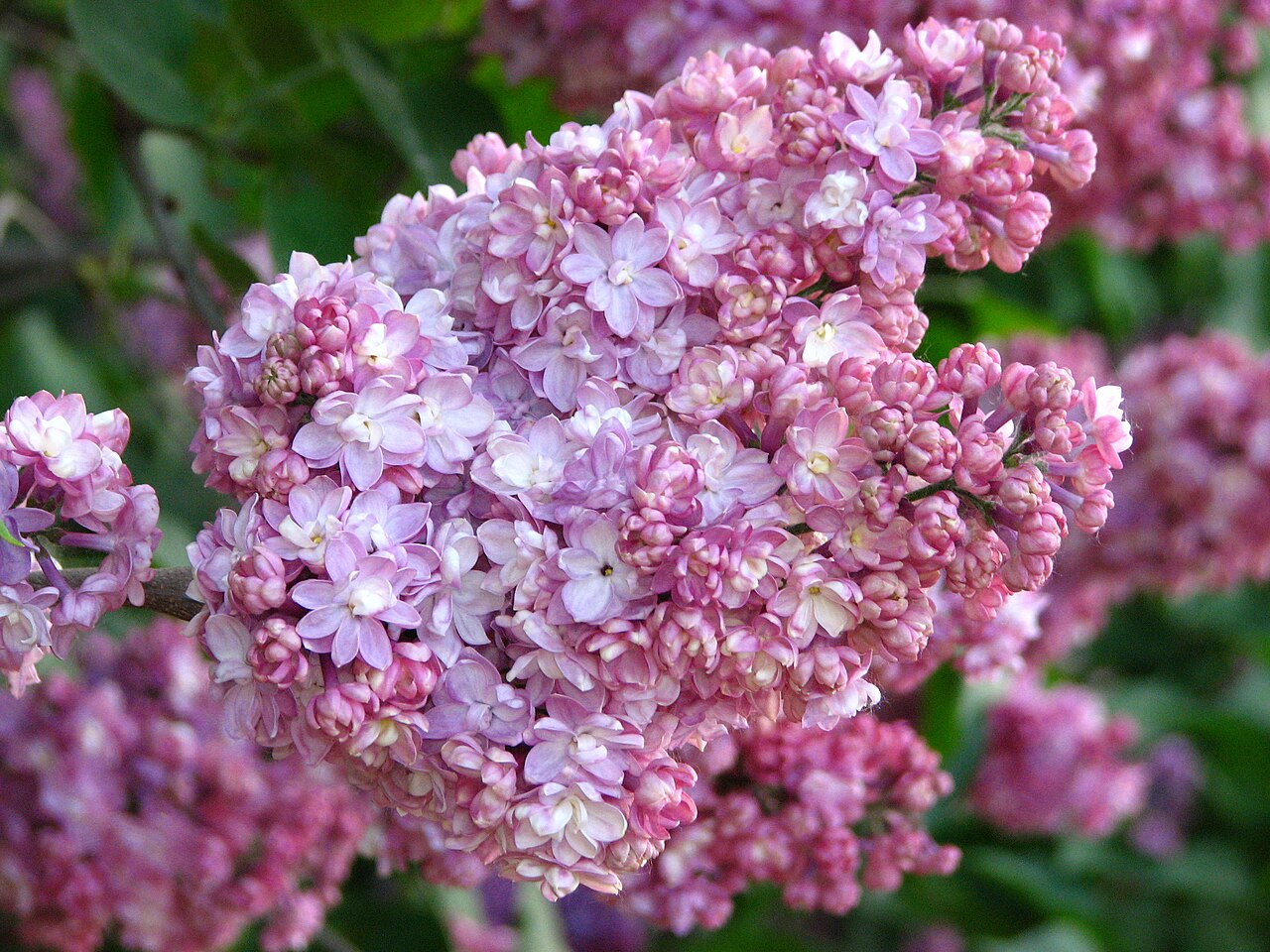
Lilac refers to flowering shrubs and small trees in the genus Syringa, members of the olive family Oleaceae. Valued for their dense clusters of tubular flowers and strong, sweet scent, lilacs are widely planted in temperate gardens and parks. The common name reflects the typical pale purple color of many cultivars, though blooms may also be white, pink, deep violet, or multi-hued.
Image gallery
10 Images




Characteristics
Lilacs are generally deciduous and show these features:
- Opposite, simple leaves that can be heart-shaped or elliptical.
- Panicles of small, four-lobed, tubular flowers that open in spring.
- Fragrant compounds that make them a favorite for cut flowers and perfume.
- Growth forms from multi-stemmed shrubs to small tree habits depending on species and cultivar.
History and cultivation
Native to parts of Europe and Asia, lilacs entered human cultivation many centuries ago and spread through gardens for their scent and showy blooms. They prefer well-drained soil and full sun to flower best, and respond to occasional pruning to maintain shape and encourage new flowering wood. Lilacs are hardy in many temperate zones and often become long-lived landscape plants.
Uses and cultural notes
Lilacs are primarily ornamental: planted as specimen shrubs, in hedgerows, or as early-season scent providers in mixed borders. Their blooms are used in floral arrangements and in traditional perfumes. The lilac has local cultural importance in some places; for example, it is the state flower of Idaho, where it is celebrated in festivals and public plantings.
Varieties and notable facts
Well-known species include the common or garden lilac (Syringa vulgaris) and tree lilacs such as Syringa reticulata. Hybridization and selection have produced many cultivars with varied bloom colors, sizes, and flowering times. The genus name Syringa derives from an ancient word referring to hollow stems historically used to make pipes or whistles. Gardeners value lilacs for their reliable spring display, fragrance, and ability to define seasonal character in temperate landscapes.
Related articles
Author
AlegsaOnline.com Lilac (Syringa): fragrant shrubs and small trees for spring gardens Leandro Alegsa
URL: https://en.alegsaonline.com/art/58014