
Jasmine (Jasminum): fragrant shrubs and vines used in gardens, perfume, and tea
Jasmine (genus Jasminum) comprises about 200 species of fragrant shrubs and vines grown for ornament, perfumery and scented teas; valued across cultures for its flowers and aroma.
Jasmine refers to members of the genus Jasminum, a group of flowering plants cultivated and appreciated worldwide. Roughly two hundred species are recognized, most of which are woody shrubs or twining vines that thrive in warm temperate to tropical climates. The plants are prized primarily for their highly scented blooms and for their adaptability to trained forms such as hedges, screens and climbing specimens.
Image gallery
10 Images





Characteristics
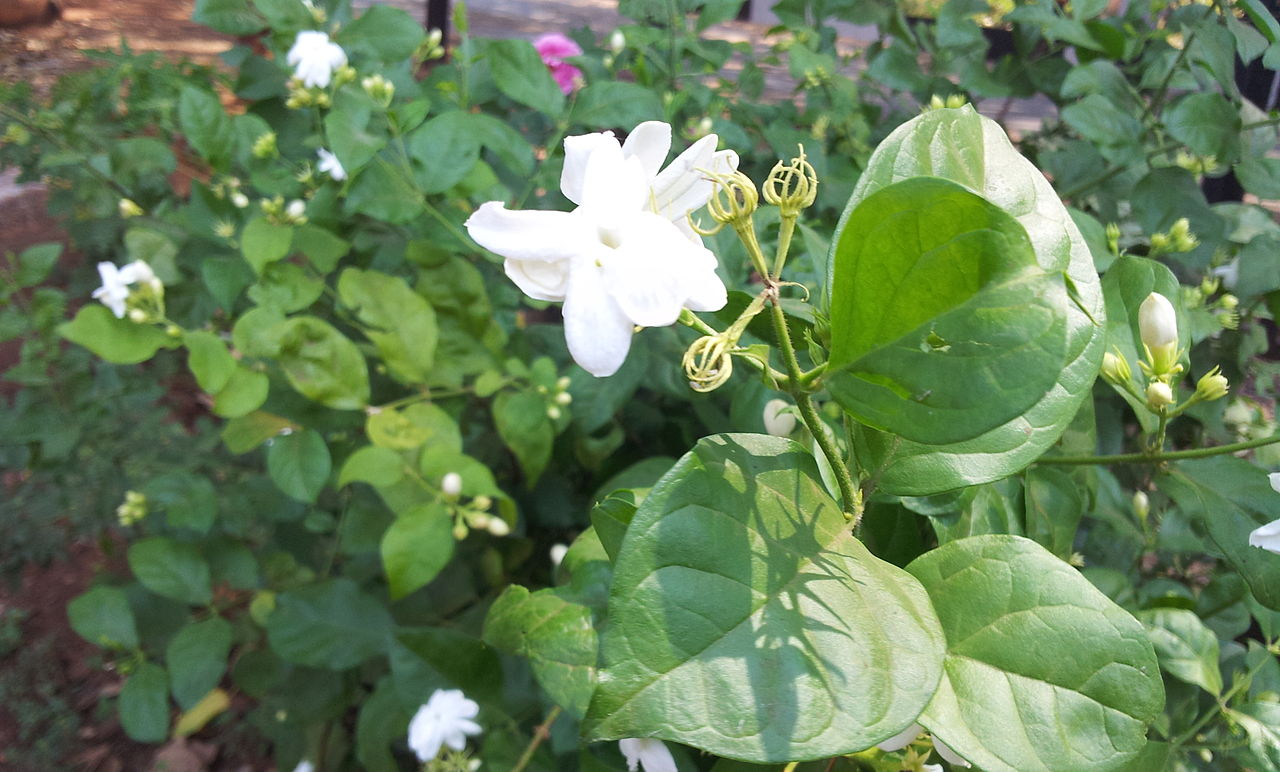
Jasmine flowers are typically white or yellow and are often intensely fragrant, especially in the evening. Leaves may be simple or pinnate and species range from evergreen to deciduous, depending on climate. Bloom size and arrangement vary: some species produce solitary flowers while others form clusters. The scent is a complex blend of volatile compounds that makes jasmine a common choice for gardens and floral arrangements.
History and cultivation
Plants in the genus have been cultivated for centuries across Asia, the Middle East and parts of Europe. Many species are grown in private and public gardens for their ornamental value. In cultivation they generally prefer full sun to partial shade, well-drained soil and regular pruning to maintain shape and encourage flowering. Propagation is commonly by softwood cuttings or layering, and several species adapt well to containers and trained trellises.
Uses and cultural significance
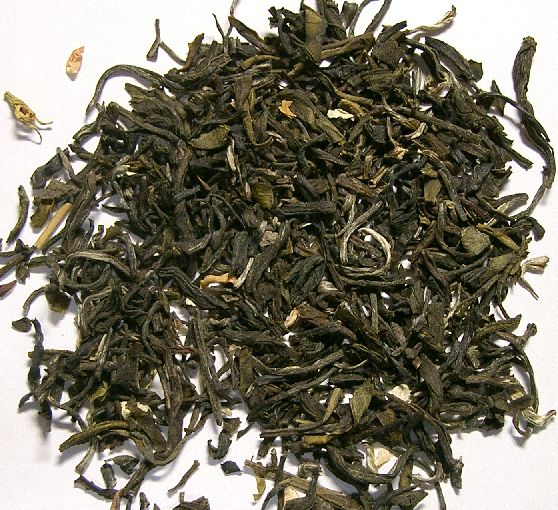
Jasmine has a wide range of uses. The aromatic flowers are used to scent tea and to produce an essential oil prized in aromatherapy and perfumery. Extracts and absolutes feature in many perfumes and scented products, while dried flowers have been burned as incense or carried as talismans. Jasmine flowers also have social and cultural roles: in parts of Asia they form garlands, and many women wear individual blooms or strings of flowers for festivals, ceremonies and everyday adornment.
- Common uses: ornamental planting, perfumery, tea blending, ceremonial garlands.
- Cultivation tips: provide support for climbers, prune after flowering, protect from hard frost.
- Species notes: individual species differ in hardiness, fragrance intensity and flower color.
Because jasmine encompasses many species and cultivated varieties, it occupies an important place both in horticulture and in cultural traditions around the world. Its distinctive scent and versatile uses ensure it remains a popular plant for gardeners, artisans and perfumers alike.
Related articles
Author
AlegsaOnline.com Jasmine (Jasminum): fragrant shrubs and vines used in gardens, perfume, and tea Leandro Alegsa
URL: https://en.alegsaonline.com/art/49584