
Rosemary (Rosmarinus officinalis) — aromatic evergreen herb
Rosemary is a woody, evergreen herb from the Mediterranean with needle-like leaves. Widely used in cooking, ornamentals, and traditional medicine; notable for fragrance, drought tolerance, and cultural symbolism.
Overview
Rosemary (Rosmarinus officinalis) is a woody perennial shrub valued for its aromatic, needle-like leaves and resilient evergreen habit. The plant is commonly called a culinary herb and is grown in gardens and containers worldwide. Its foliage is fragrant and linear, often described as needle-like and leathery; see a description of the leaves as needle-like for identification traits.
Native to the Mediterranean region, rosemary belongs to the mint family, the Lamiaceae. It shares many structural and aromatic characteristics with other members of this family, which is noted for square stems and paired leaves — traits typical of the mint family.
Image gallery
10 Images


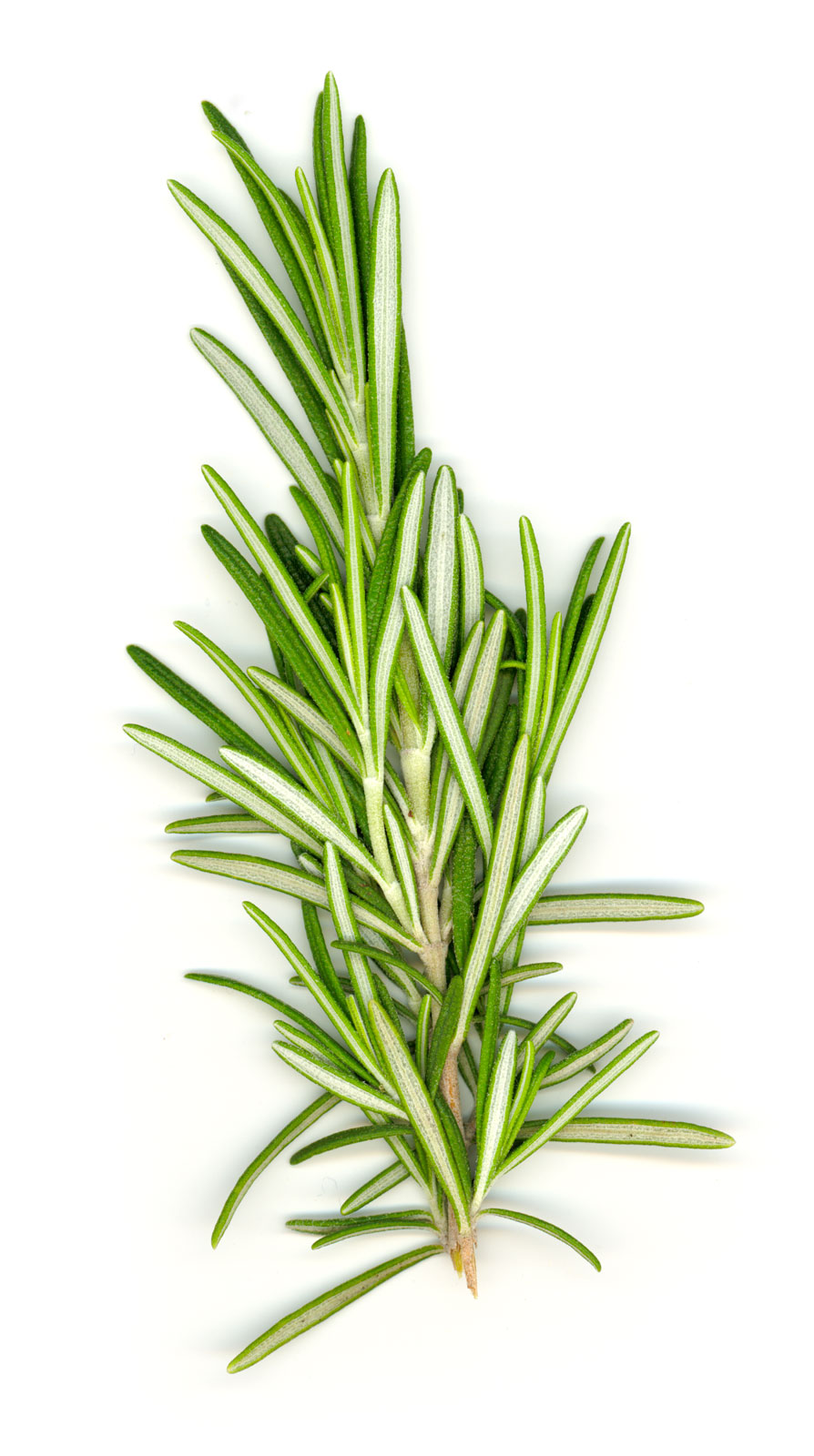
Characteristics and cultivation
Rosemary varies in growth form from low groundcover cultivars to upright shrubs several feet tall. Flowers range from pale blue to white or pink, attracting pollinators. It prefers well-drained soil, full sun, and tolerates drought once established. Because of its hardiness and compact root system, rosemary is widely used in xeriscaping and Mediterranean-style plantings.
Cultivation notes: prune to maintain shape, avoid waterlogged soils, and protect tender varieties from severe frost. Many cultivars have been selected for flavor, flower color, or growth habit; living rosemary can be propagated easily from cuttings.
Uses and cultural importance
- Culinary: fresh or dried leaves flavor meats, soups, breads, oils, and vinegar.
- Ornamental: hedging, topiary, and containers for fragrance and evergreen interest.
- Traditional uses: used historically in perfumery, herbal remedies, and ritual remembrance.
Beyond cookery, rosemary is the subject of garden symbolism—often associated with memory and fidelity—and continues to feature in folk practices. Modern interest also covers aromatic oils and research into its antioxidant constituents, though medicinal claims should be approached cautiously and with reliable sources.
Notable facts: rosemary’s fragrance comes from essential oils such as cineole and camphor. It is drought-tolerant, deer-resistant, and can live many years in favorable climates, making it both a practical and culturally significant plant.
Related articles
Author
AlegsaOnline.com Rosemary (Rosmarinus officinalis) — aromatic evergreen herb Leandro Alegsa
URL: https://en.alegsaonline.com/art/84172