
Teak (Tectona grandis): timber, tree characteristics, uses and conservation
Teak (Tectona grandis) is a tropical hardwood tree valued for durable, oily timber used in boats, furniture and decking. Native to South and Southeast Asia, it is now grown widely in plantations.
Overview
Teak is the common name for the tropical hardwood tree Tectona grandis and the timber derived from it. Native to parts of South and Southeast Asia, the species has become one of the world's most sought-after timbers because of its strength, natural oils and weather resistance. Teak occurs both as old-growth forest trees and as cultivated plantation stock; quality and growth characteristics vary with origin and management.
Image gallery
10 Images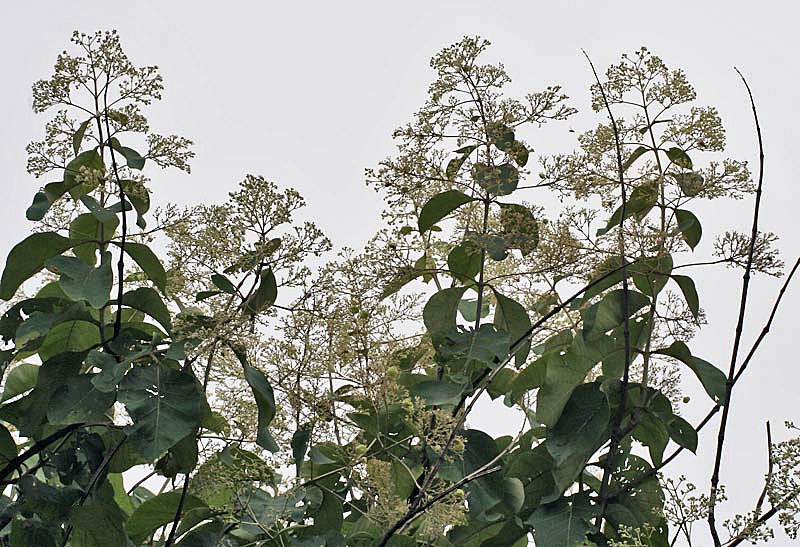



Botanical characteristics
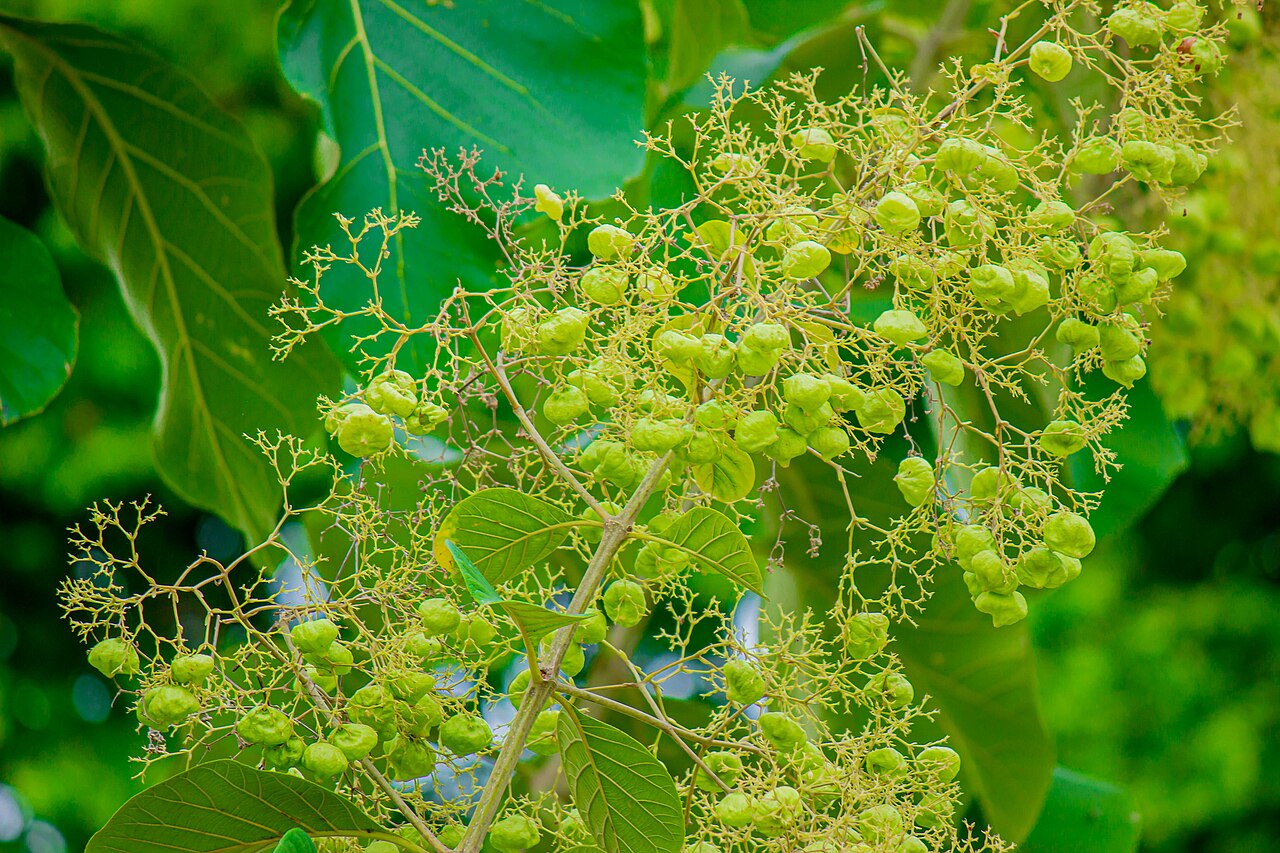
Tectona grandis is a large deciduous tree that can dominate mixed hardwood stands. Key features include broad, often hairy leaves with a paler underside, clusters of small fragrant white flowers, and a straight bole suitable for sizable timber. The wood is typically golden-brown when fresh and darkens with exposure.
- Growth habit: tall, fast-growing in favorable climates; sheds leaves seasonally in dry periods (deciduous habit).
- Wood properties: dense, oily, resistant to rot and many wood-boring insects; suitable for outdoor use without heavy preservative treatment.
- Visual traits: straight grain, coarse texture, ages to a silvery patina if left untreated.
Origin, name and cultural history
Tectona grandis is indigenous to parts of the Indian subcontinent and Southeast Asia; it grows naturally across several countries in this region and has been transported elsewhere by humans. The English word "teak" comes from Malayalam terms such as theka or tekka; the tree is also mentioned in early Tamil devotional literature like the Tevaram, indicating long-standing regional familiarity. Historical exports and colonial-era forestry shaped much of the modern trade and plantation establishment.
Uses and practical importance
- Marine and boatbuilding: prized for hulls, decks and fittings because of durability and water resistance.
- Outdoor furniture and decking: natural oils reduce maintenance and decay.
- Interior joinery and flooring: valued for appearance and dimensional stability.
- Specialized applications: tool handles, veneers and high-end craftwork.
Distribution, cultivation and trade
Beyond its native range, teak has been introduced to plantations in Africa, the Caribbean and other tropical areas. Plantation-grown teak provides an economic crop but often differs from old-growth timber in grain, density and resin content. Historically, a substantial share of commercial supply came from Myanmar (Burma), and many markets still distinguish Burmese-grown teak from plantation sources. International trade and domestic demand have prompted concerns about illegal logging and forest conversion; certified sustainable sources and managed plantations are now important parts of the market (range and distribution, wood trade).
Conservation, management and notable facts
Responsible management seeks to balance commercial production with forest protection. Sustainable forestry standards and legal frameworks aim to reduce illegal harvest while encouraging reforestation and mixed-species planting. Teak's combination of longevity, natural oils and workability makes it a preferred timber for many outdoor and marine uses. When identifying teak, look for the characteristic oily feel, golden-brown color and straight grain; differences between plantation and old-growth material are often apparent to experienced users and buyers.
For botanical references and detailed species accounts see the taxonomic and forestry sources: etymology and language, taxonomic entry, and regional literature.
Related articles
Author
AlegsaOnline.com Teak (Tectona grandis): timber, tree characteristics, uses and conservation Leandro Alegsa
URL: https://en.alegsaonline.com/art/96638
Sources
- ars-grin.gov : "GRIN Taxonomy for Plants - Tectona"