
Lentil Soup: ingredients, regional varieties, history and nutrition
Overview of lentil soup: common ingredients and variations, cultural history, preparation methods, nutritional value and serving suggestions from the Middle East to global cuisine.
Overview
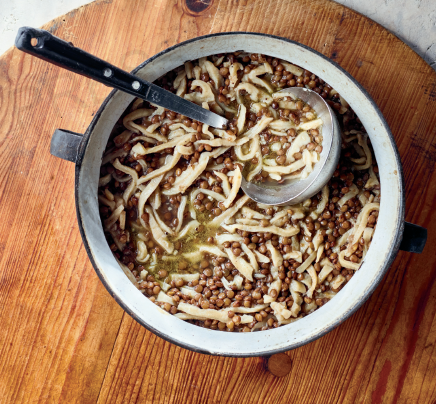
Lentil soup is a simple, warming soup based on lentils. It appears in many culinary traditions, notably across the Middle East, and exists in vegetarian forms as well as versions made with meat stock. Regional names reflect local languages: for example the Arabic, Turkish and Hebrew terms each designate their own familiar styles. Basic versions are inexpensive, quick to make and adaptable to what is on hand.
Image gallery
7 Images


Typical ingredients and preparation
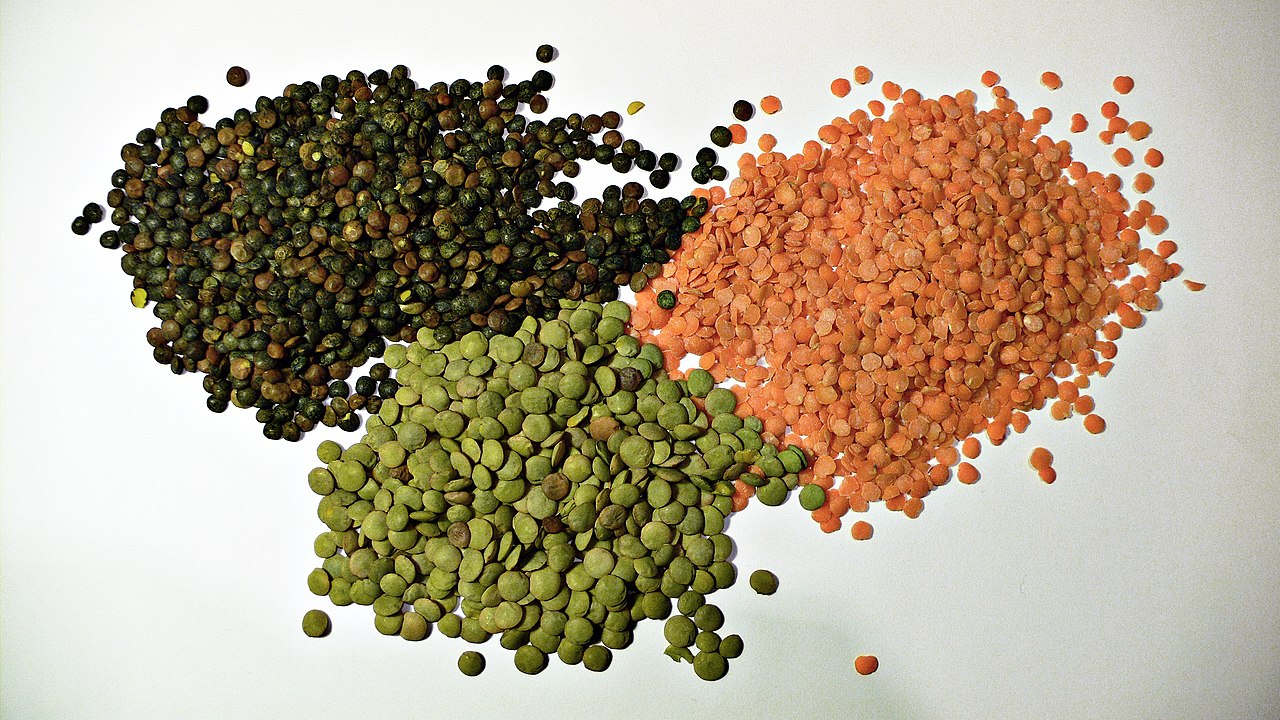
The core ingredient is lentils; both red and green varieties are common, with differing textures and cook times. Other components often include sautéed onion, garlic, and a mix of vegetables such as carrots, potatoes and parsley. Spices and aromatics—especially cumin—and an acidic finish like lemon juice are frequently used to brighten the flavor.
Preparation ranges from a rustic pot with whole lentils and chopped vegetables to a smooth, pureed soup. Some cooks brown aromatics and spices first for depth; others simmer the ingredients together until soft and then blend. Garnishes can be as simple as a drizzle of olive oil or as decorative as toasted croutons (croutons) or chopped herbs.
Regional variations and serving
Across different countries the soup’s texture and seasoning change: red lentils yield a velvety, orange-hued puree while green or brown lentils keep a firmer bite. Additional components such as bulgur, rice, or tomato paste appear in some local recipes. It may be served with bread, flatbread, or a simple salad, and is common both as a starter and as a light main course.
History and cultural notes
Lentil dishes have an ancient pedigree and are mentioned in literary and religious sources. A well-known biblical episode describes a measure of lentil stew connected to Esau and Jacob, illustrating lentils’ role as staple fare in antiquity (Bible, commonly cited passage referencing Esau and Jacob). Classical literature also records appreciation for lentils: the playwright Aristophanes reportedly referred to lentils in admiring terms. Historically, lentil soup has been associated with economical home cooking yet it has also been celebrated for its comforting qualities.
Nutrition and significance
Although once seen primarily as a peasant food, lentil soup is now valued for its nutrition. Lentils contribute significant protein among plant foods and provide dietary iron, potassium and fiber. Combined with vegetables and modest fat, a bowl supplies a balanced mix of macronutrients and minerals, making it a frequent recommendation in vegetarian and budget-conscious diets.
Quick recipe ideas and distinctions
- Simple blended red lentil soup: red lentils, onion, garlic, cumin, lemon.
- Hearty green lentil stew: green lentils, carrots, potatoes, parsley, tomato.
- Meat‑flavored variation: use chicken or beef stock for a richer base.
When choosing a style, consider lentil color and desired texture: red for creaminess, green or brown for structure. Adjust spices and acid to taste, and use toasted bread or fresh herbs to finish. For further reading or recipes see regional cookbooks and reputable culinary guides (Arabic, Turkish, Hebrew resources are good starting points).
Questions and answers
Q: What is lentil soup?
A: Lentil soup is a hot soup made with lentils and usually served vegetarian, though it can also be made with meat stock. It is popular in the Middle East and often includes garlic, cumin, lemon juice, and vegetables such as carrots, potatoes, parsley and onion.
Q: Where is lentil soup popular?
A: Lentil soup is popular all over the Middle East.
Q: What are some ingredients that are commonly added to lentil soup?
A: Commonly added ingredients include garlic, cumin, lemon juice, and vegetables such as carrots, potatoes, parsley and onion. Croutons may also be added for presentation.
Q: Is there any mention of lentil soup in the Bible or other literature?
A: Yes! In Genesis 25:34 of the Bible Esau gives up his birthright for a pot of fragrant red lentil soup being cooked by his brother Jacob. The ancient Greek dramatist Aristophanes mentions it in his plays as one of the "sweetest delicacies".
Q: Was lentil soup once only food for the poor?
A: Yes! Lentil Soup was once a food for the poor but today it is recognized as highly nutritious providing a good source of protein fiber iron and potassium.
Q: What types of lentils can be used to make this dish?
A: Red or green lentils may be used when making this dish.
Related articles
Author
AlegsaOnline.com Lentil Soup: ingredients, regional varieties, history and nutrition Leandro Alegsa
URL: https://en.alegsaonline.com/art/57165
Sources
- en.wikibooks.org : Wikibooks Cookbook
- en.wikibooks.org : Lentil soup
- cliffordawright.com : Clifford A. Wright: Shurba al- 'Adas (Arab Levant) Lentil Soup
- torahweb.org : Selling the Bechora: How and Why
- hungrymonster.com : Beans Food Facts, History, Information, Timelines