
Carrot (Daucus carota): description, cultivation, uses
Comprehensive overview of the carrot (Daucus carota): botanical identity, varieties, cultivation, nutrition, culinary uses, storage, pests and cultural notes on this widely grown root vegetable.
Overview
The carrot is the edible taproot of the plant commonly called carrot, scientific name Daucus carota. It is cultivated worldwide for human food, animal feed and processing. While the most familiar cultivated form is orange, carrots also occur in purple, yellow, red and white varieties. Wild relatives, often called Queen Anne's lace, produce narrower, woodier roots and an umbel of white flowers. For a concise botanical profile see plant profile.
Image gallery
10 Images


Characteristics and parts
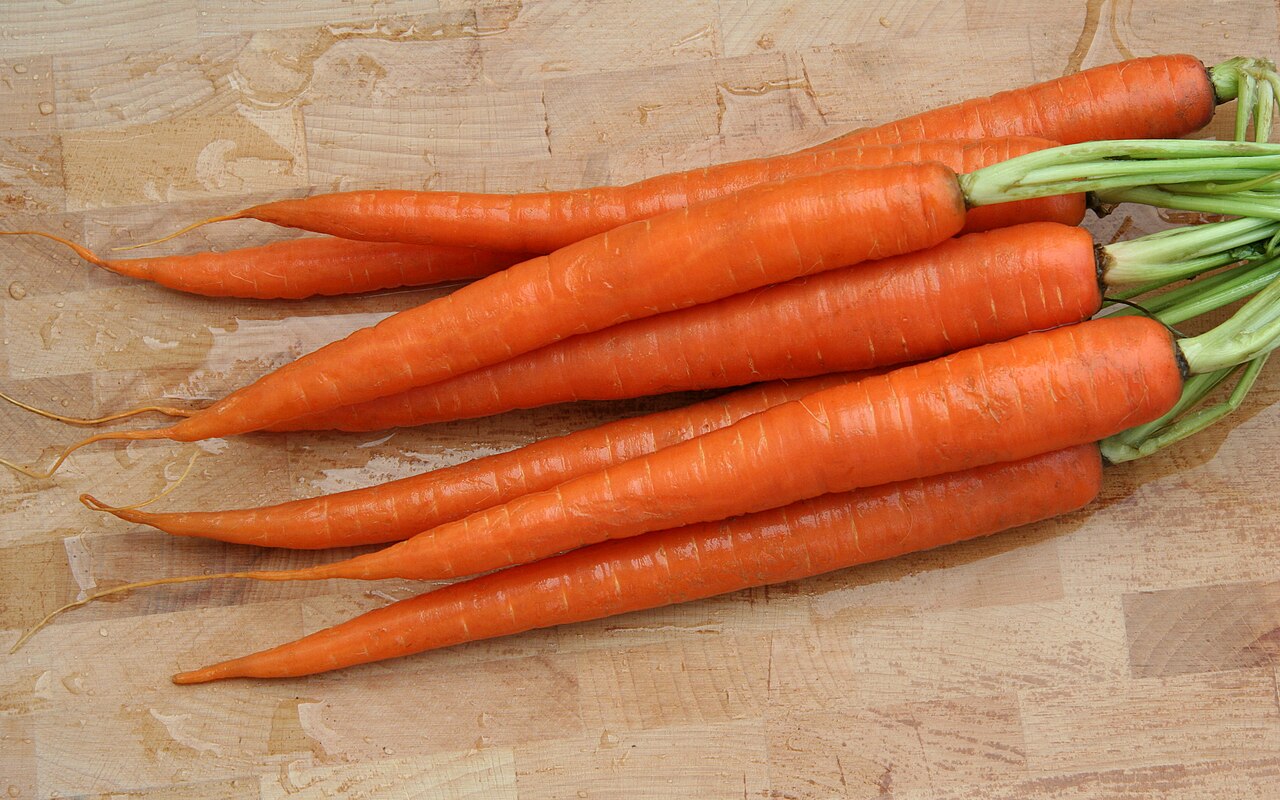
Carrots are typically biennial plants grown as annuals for their enlarged taproot, which stores carbohydrates and pigments such as beta‑carotene. Above ground the plant bears finely divided pinnate leaves and, in the second year, an umbel of small flowers. Important parts and traits include root shape and color, foliage habit and flowering habit; these affect culinary use and seed production. Basic morphological descriptions and keys are available from regional guides and flora references.
History and domestication
Domestication began from wild Daucus populations in temperate Eurasia. Early selection favored larger, less bitter roots and different pigment patterns; modern orange varieties were developed in Europe several centuries ago. Historical and genetic studies outline how local preferences and cultivation practices produced the diversity seen today; see summaries in domestication studies and historical floras at regional flora.
Cultivation and varieties
Carrots are grown from seed and do best in loose, deep, well‑drained soils to allow straight roots. Sowing depth, thinning and row spacing influence root form. Commercial classifications group cultivars by root shape (e.g., Nantes, Danvers, Imperator), and by use (fresh market, processing, storage). Practical growing guidance and cultivar lists can be found in agricultural references on cultivar groups, sowing and seedling care and harvest techniques.
Harvest, storage and processing
Harvest timing depends on variety and intended use; young carrots are sweeter and tender, while mature roots store longer. Roots are typically washed, trimmed and cooled soon after harvest to prolong freshness. Long‑term storage requires cool, humid conditions or controlled atmosphere; many carrots are also processed into juices, canned or prepared as baby carrots. Processing and postharvest guidance is summarized in extension resources and industry guides such as culinary and processing resources.
Nutrition and culinary uses
Carrots are a source of dietary fiber, vitamins and pigments; beta‑carotene is a provitamin A compound notable in orange varieties. They are eaten raw, cooked, juiced or preserved. Common culinary uses include salads, soups, stews, side dishes and confections. Regional specialties exist — for example, sweet carrot jam and candied carrot preparations appear in parts of Portugal and other cuisines; see Portuguese cuisine and traditional preserves.
Pests, diseases and management
Carrots are affected by pests such as carrot flies and root‑knot nematodes and diseases including fungal rots and bacterial soft rot. Integrated management practices include crop rotation, resistant varieties, appropriate seed selection and sanitation. For growers, practical crop protection and troubleshooting are covered in extension materials and management guides: crop protection.
Practical notes and further reading
When planning a home or commercial crop, consider variety selection for soil type and market, basic pest control and postharvest handling. Additional botanical descriptions, cultivation protocols and culinary information can be consulted through online and printed resources such as botanical profiles, species descriptions at taxonomic references, and practical cultivation resources at agricultural guides.
Related articles
Author
AlegsaOnline.com Carrot (Daucus carota): description, cultivation, uses Leandro Alegsa
URL: https://en.alegsaonline.com/art/17289
Sources
- commons.wikimedia.org : Daucus carota
- ayurvedguide.com : "Carrots Benefits Nutritional Facts For Skin Hair Digestion Uses"