
Aristophanes: Playwright of Ancient Greek Old Comedy
Aristophanes (c.450/445–c.385 BC) was a major Athenian dramatist of Old Comedy. He wrote about forty plays, eleven of which survive intact; his work shaped political satire, theatrical form and cultural critique.
Overview
Aristophanes (born c.450/445 BC; died c.385 BC) is the best-known author of the theatrical genre called Old Comedy in classical Athens. Ancient sources and modern scholarship attribute roughly forty plays to him, of which eleven survive in complete form. His surviving works combine farce, lyrical choral passages and pointed satire directed at public figures, social trends and civic policies.
Image gallery
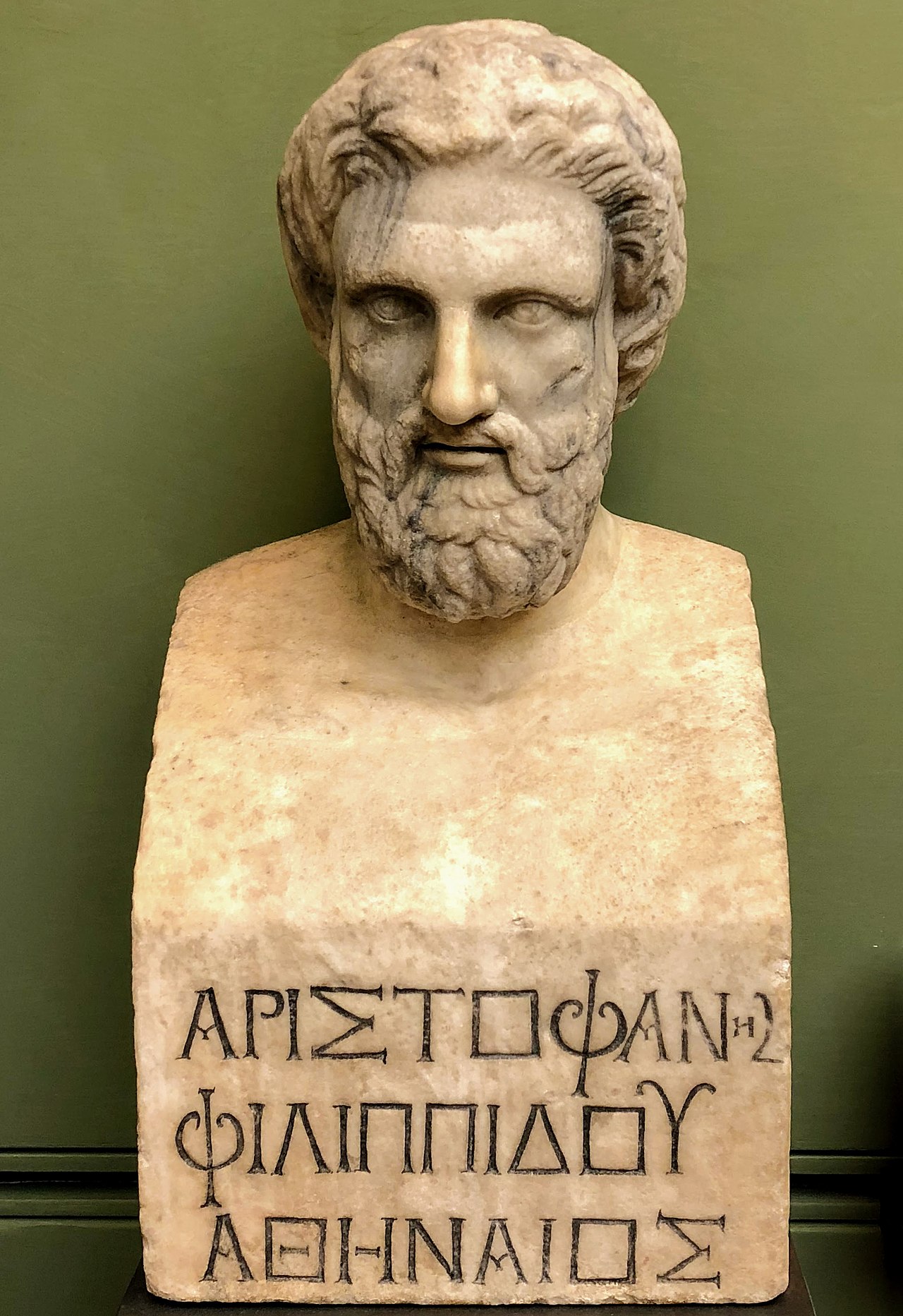
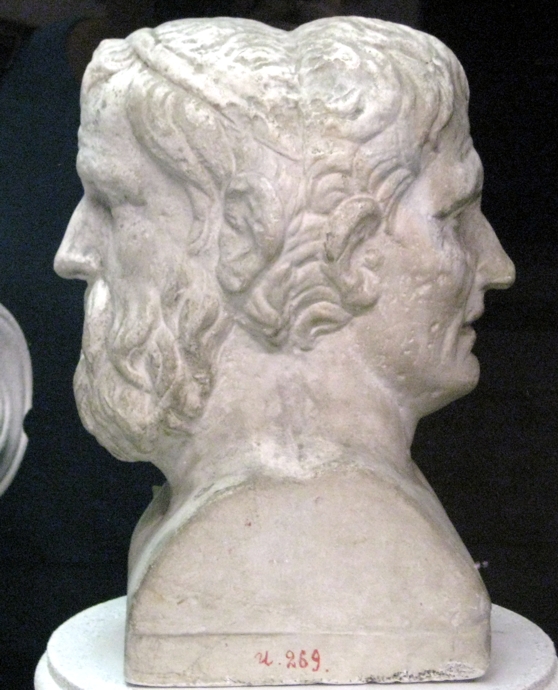
7 Images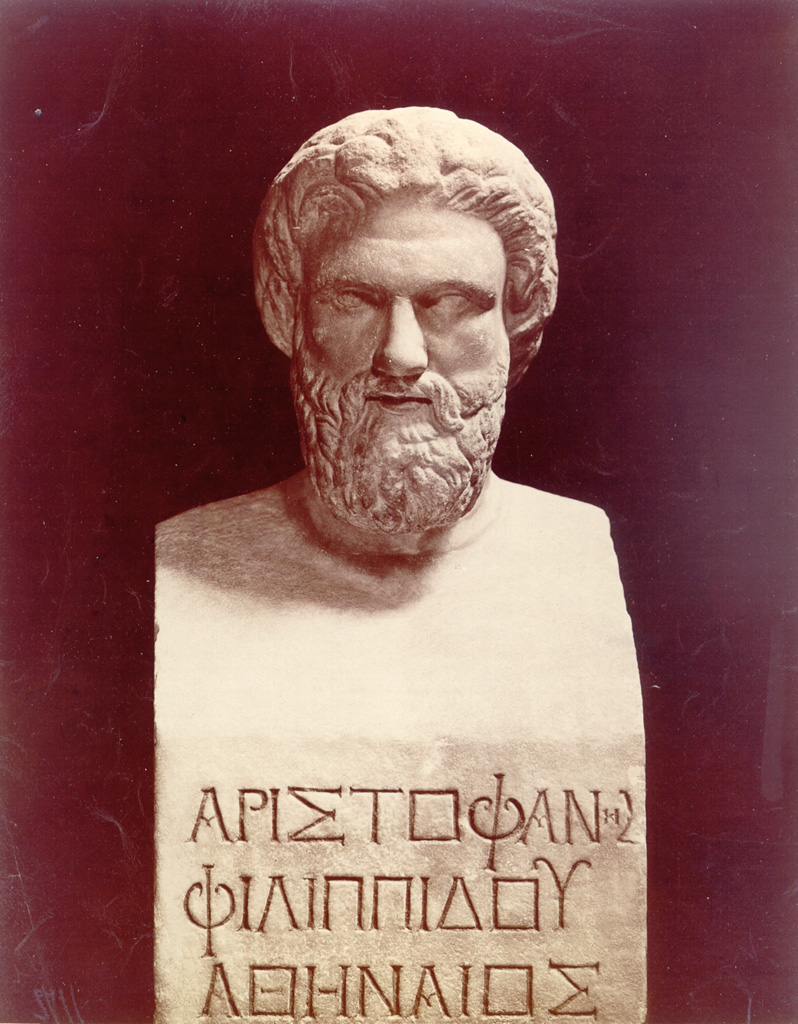



Genre and Dramatic Technique
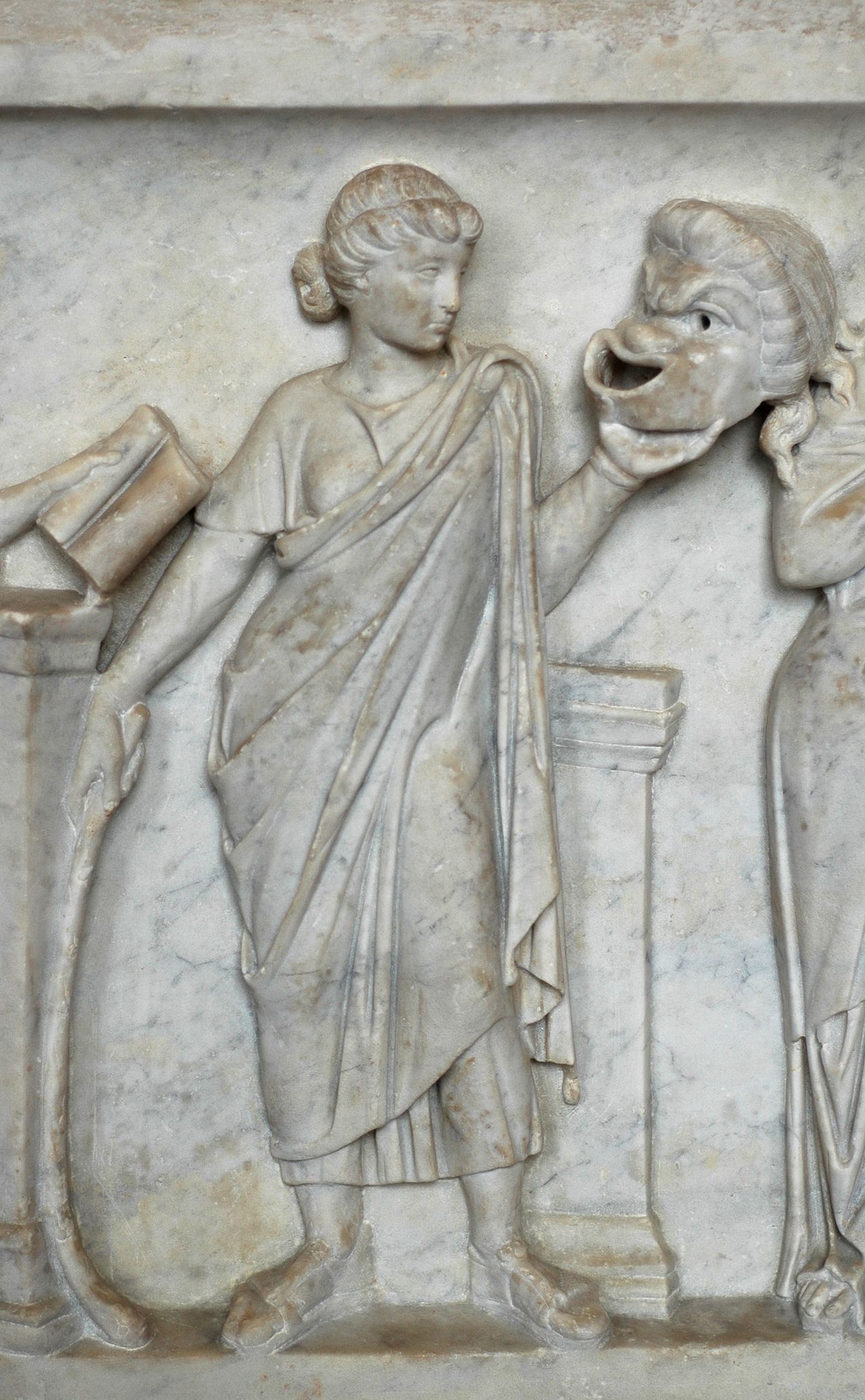
Old Comedy is distinguished by topicality, direct political attack, grotesque invention and a prominent chorus. Aristophanes used comic exaggeration, parody of public life, songs and spectacle. A distinctive feature in several of his plays is the parabasis, a passage in which the chorus addresses the audience directly, commenting on politics, the author’s aims or theatrical matters. Costumes, masks and exaggerated props made the stage visually striking and signalled characters and social types to viewers.
Historical and Cultural Context
Aristophanes wrote during a turbulent period of Athenian history that included the Peloponnesian War and its aftermath. Plays were produced in the context of civic festivals and dramatic competitions, notably the great City Dionysia. Performances were public, religious and political events in which theatre intersected with ritual and democratic debate. Although Aristophanes often ridiculed politicians and intellectuals, his plays were made for popular audiences who expected topical references and local humour.
Major Works and Themes
Eleven plays survive in full and together they illustrate recurring preoccupations: opposition to war, critique of demagogy and sophistry, anxieties about social change, and inventive utopias or reversals of gender and social roles. Notable surviving plays include:
- Lysistrata — a comic account of women who withhold sexual relations to force peace between warring states;
- The Clouds — a satire on new intellectual fashions and on the figure of the sophist or popular thinker;
- The Knights — a direct, vitriolic attack on a powerful political figure and on manipulative rhetoric;
- The Frogs and The Birds — works that combine literary criticism, fantasy and social commentary.
Performance, Language and Transmission
Aristophanes’ language mixes elevated lyrics for the chorus with crude colloquial speech for comic scenes, often exploiting rhythms and wordplay that pose challenges for translators and modern directors. The survival of his plays depends on medieval manuscript transmission and later editorial traditions; many contemporary references in the texts are obscure and require careful philological and historical work to interpret.
Reception and Influence
Although some details and jokes in the plays are culturally specific or offensive to modern sensibilities, Aristophanes has had a long afterlife in translation, adaptation and critical study. His methods of political ridicule and parody influenced later traditions of satire and stage comedy. Modern productions frequently adapt ancient references to speak to contemporary audiences, and scholarship treats his work both as literature and as a source for the social history of fifth- and fourth-century Athens.
Topics for Study and Staging
Scholars and practitioners examine Aristophanes for a variety of reasons: the relationship between comedy and democracy, the role of the chorus, metrics and poetic technique, the archaeology of performance spaces, and the ethics of public ridicule. Staging his plays today raises practical questions about translation strategy, scenic invention and how to convey topical jokes that originally targeted well-known local figures.
Resources and Further Reading
General readers can begin with accessible annotated translations and introductions that present the extant plays alongside explanatory notes. For specialized inquiry, academic editions, commentaries and journal articles address meter, textual problems and historical allusions. Libraries and university collections offer catalogues and bibliographies to guide more detailed study; for primary play listings see primary works, and for modern translations and stage histories consult collections and guides to adaptations.
Scholarly discussion of themes and reception may be found in surveys and monographs; for thematic studies see themes and reception. For information on festival contexts and ceremonies connected with dramatic performance consult resources on the City Dionysia and for the religious background of those festivals see material on Dionysus.
Concluding Note
Aristophanes remains essential reading for those interested in the origins of Western comic drama and the practice of political satire. His surviving plays are both lively entertainments and complex documents of Athenian civic culture. Readers approaching his work will find rewards in connecting literary analysis with historical context, and directors will encounter both practical challenges and creative opportunities when bringing these comedies to modern stages.
Questions and answers
Q: Who was Aristophanes?
A: Aristophanes was a Greek writer who wrote 40 plays and was born around 450/445 BC and died around 385 BC.
Q: How many of Aristophanes' plays survive in their entirety?
A: Only 11 of Aristophanes' plays survive in their entirety.
Q: What is Aristophanes famous for?
A: Aristophanes is famous for writing comedies.
Q: What were Aristophanes' comedies about?
A: Aristophanes' comedies were biting satires aimed at famous men of his day and the all-too-human weaknesses of ordinary people.
Q: What is Aristophanes' most famous play?
A: Aristophanes' most famous play is Lysistrata, which is about a group of women who protest against a war by not having sexual intercourse with their husbands until the war is ended.
Q: What was the festival of Dionysia and where was it presented?
A: The festival of Dionysia was a festival dedicated to the god Dionysus, and Ancient Greek theatre was first presented in competitions at this festival.
Q: Did Aristophanes always win first prize in the competitions at the festival of Dionysia?
A: No, Aristophanes did not always win first prize in the competitions at the festival of Dionysia. Plays that won ahead of his have been lost, so we cannot make comparisons.
Related articles
Author
AlegsaOnline.com Aristophanes: Playwright of Ancient Greek Old Comedy Leandro Alegsa
URL: https://en.alegsaonline.com/art/114529