
Lentil (Lens culinaris): plant, seed, and culinary pulse
Lentil (Lens culinaris) is a small annual legume cultivated for its lens-shaped seeds. A nutritious staple worldwide, it has many varieties, culinary uses, and agronomic benefits like nitrogen fixation.
Overview
The lentil, scientific name Lens culinaris, is a low-growing annual in the legume family cultivated for its lens-shaped seeds. It is commonly called dal or pulse in many regions. As a food crop it is valued for its compact seeds which are used dried, split or dehulled.
Image gallery
7 Images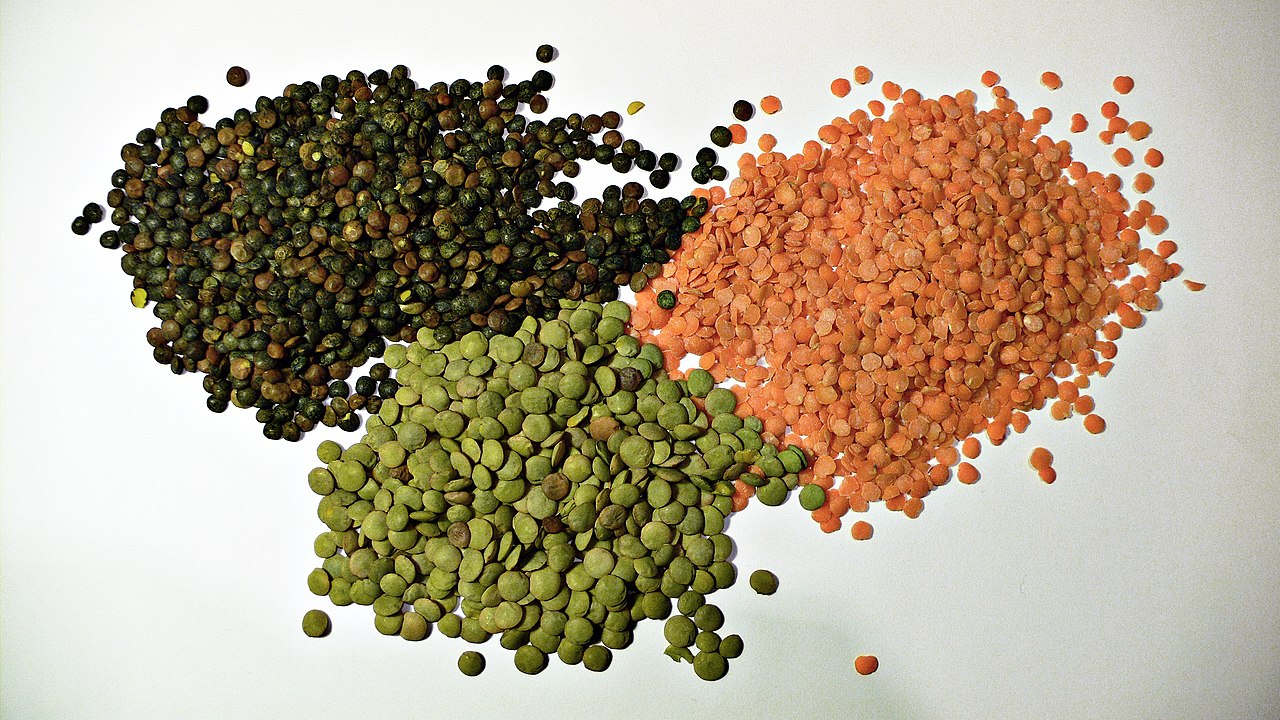




Characteristics
Lentil plants are bushy and generally short, often around 30–40 cm (about 12–16 inches) tall. Seeds develop in small pods, typically with one or two seeds per pod. The seeds occur in a range of colors and sizes, from brown and green to red, yellow and black, and their texture and cooking behavior vary accordingly.
History and development
Lentils are among the oldest domesticated crops and have been part of human diets for millennia. They were cultivated early in agricultural societies across the Near East and Mediterranean and later spread to South Asia and beyond, becoming a staple wherever pulses form the basis of plant protein.
Uses and nutrition
Lentils are a dietary staple in many cuisines, commonly prepared as soups, stews, purees (such as dal), salads, or patties. They are prized for their high protein and fiber content, low fat, and micronutrients such as iron and folate. Typical culinary forms include whole seeds, split lentils, and flours.
Cultivation and varieties
Grown in temperate to semi-arid climates, lentils are relatively drought-tolerant and fit well in crop rotations because, like other legumes, they help replenish soil nitrogen through biological fixation. Major types include:
- Brown and green lentils — versatile and common
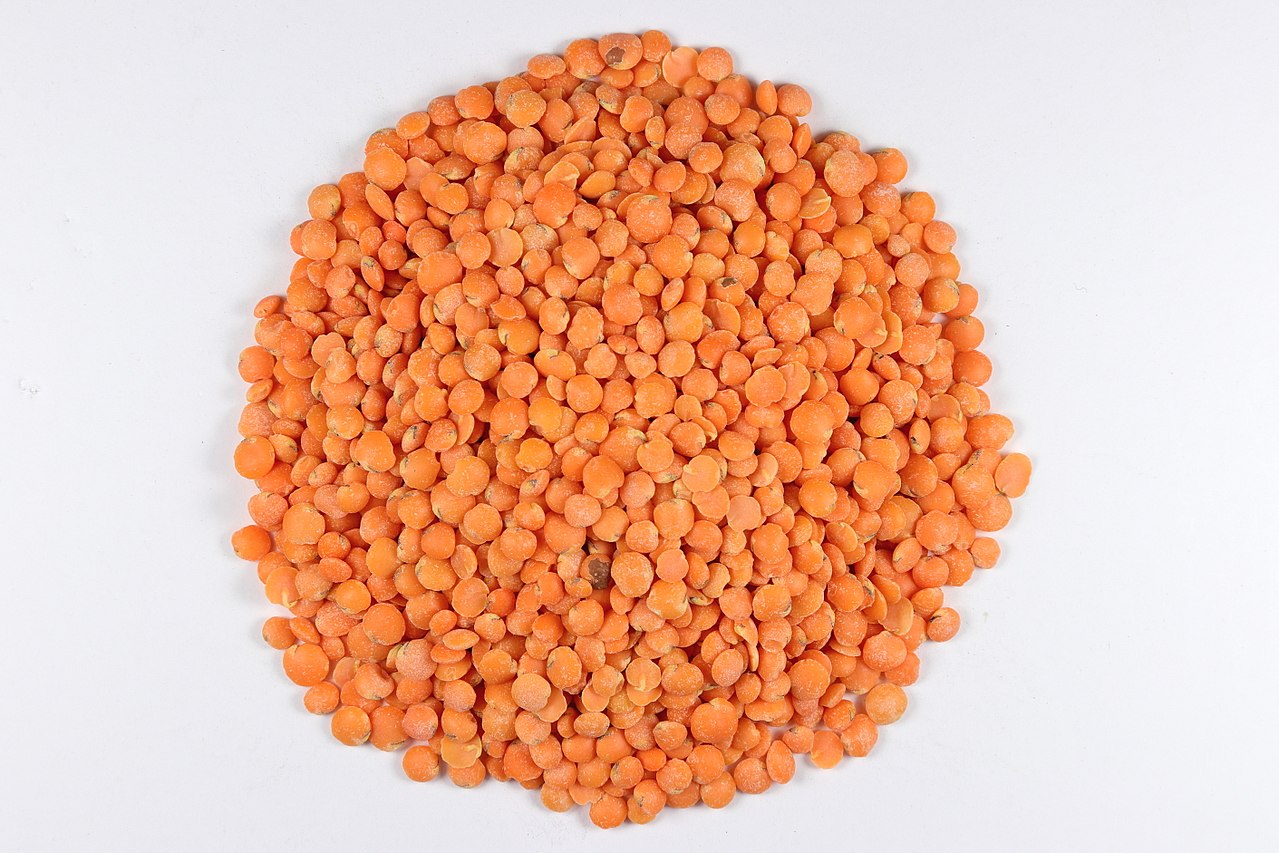
- Red and yellow lentils — often sold split and cook quickly
- Black (beluga) and French lentils — firmer texture and prized for salads
Practical links and notes
For information on cultivation practices see cultivation guides. For classification within legumes consult resources on the legume family. For culinary uses see general vegetable and pulse cookery references. For descriptions of seed shape and anatomy see pages on lens-shaped seeds.
Because of their nutrition, adaptability and role in sustainable farming, lentils remain an important global pulse crop used both at household and commercial scales.
Questions and answers
Q: What is a lentil?
A: A lentil is a type of vegetable that is grown for its lens-shaped seeds.
Q: What family does the lentil plant belong to?
A: The lentil plant belongs to the legume family.
Q: How tall does the lentil plant grow?
A: The lentil plant grows to about 15 inches tall.
Q: In what form do the seeds of the lentil plant grow?
A: The seeds of the lentil plant grow in pods, usually with two seeds in each.
Q: Is the lentil a yearly or bi-yearly plant?
A: The lentil is a bushy annual plant.
Q: What are other names for the lentil plant?
A: Other names for the lentil plant include daal and pulse.
Q: Are the seeds of the lentil plant round-shaped?
A: No, the seeds of the lentil plant are lens-shaped.
Related articles
Author
AlegsaOnline.com Lentil (Lens culinaris): plant, seed, and culinary pulse Leandro Alegsa
URL: https://en.alegsaonline.com/art/57166