
Cumin (Cuminum cyminum): characteristics, uses and cultural history
Cumin is an aromatic spice from the seeds of Cuminum cyminum, used worldwide in many cuisines and traditional medicines. This article covers its botany, culinary roles, varieties and notable distinctions.
Overview
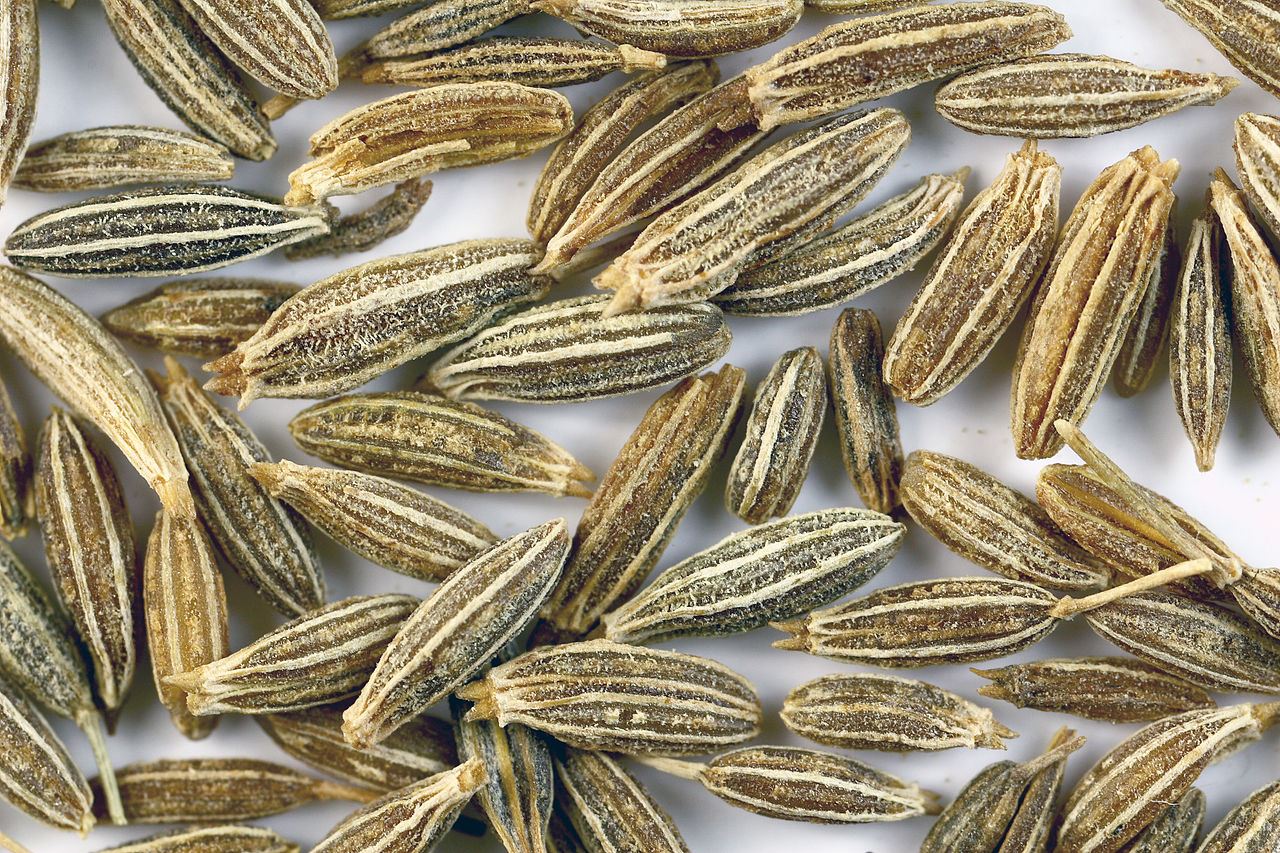
Cumin (Cuminum cyminum), sometimes spelled cummin, is an annual flowering plant cultivated for its seeds, which are used as a spice. Native to a region stretching from the eastern Mediterranean to parts of South Asia, cumin produces small, oblong seeds with a warm, earthy aroma. The plant and its range are discussed in botanical sources and floras describing its native distribution.
Image gallery
9 Images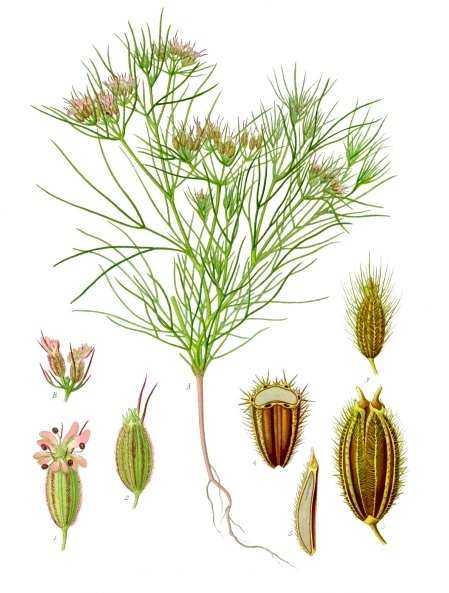





Botany and cultivation
The cumin plant grows to about 30–50 cm tall, bearing pinnate leaves and pale flowers that develop into the aromatic seeds. It prefers warm, dry climates and well‑drained soils; frost and excessive moisture reduce yields. Seeds are harvested when the fruit turns brown and are commonly dried and sold whole or ground. Commercial products also include cumin oil and extracts used for flavoring.
Flavor compounds and preparation
Cumin's characteristic scent and taste come from volatile oils, the most notable being cuminaldehyde along with a mix of terpenes. Toasting whole seeds briefly in a dry skillet or frying them in oil releases these aromatic compounds, producing a nuttier, more intense flavor than raw ground cumin. For best freshness, many cooks prefer to store whole seeds and grind them as needed.
Culinary uses and examples
Cumin is a foundational spice across diverse culinary traditions. It features prominently in South Asian (Indian and Pakistani) dishes, Middle Eastern stews and spice blends, North African ras el hanout, Mexican and Latin American cooking, and many Mediterranean recipes. Typical uses include seasoning meats, legumes, rice, soups and sauces. It is also a component of commercial blends such as curry powders, garam masala, chili powders and regional rubs. See more on its role in world cuisines here.
History, cultural significance and traditional uses
Cumin has been used since antiquity for both culinary and medicinal purposes. It appears in historical records and traditional medicine systems as a digestive aid and seasoning. In folk practice it has been used to support digestion and appetite; modern nutritional notes highlight that cumin seeds provide small amounts of minerals such as iron and contribute antioxidants, though precise health claims require scientific validation.
Varieties, similar seeds and practical tips
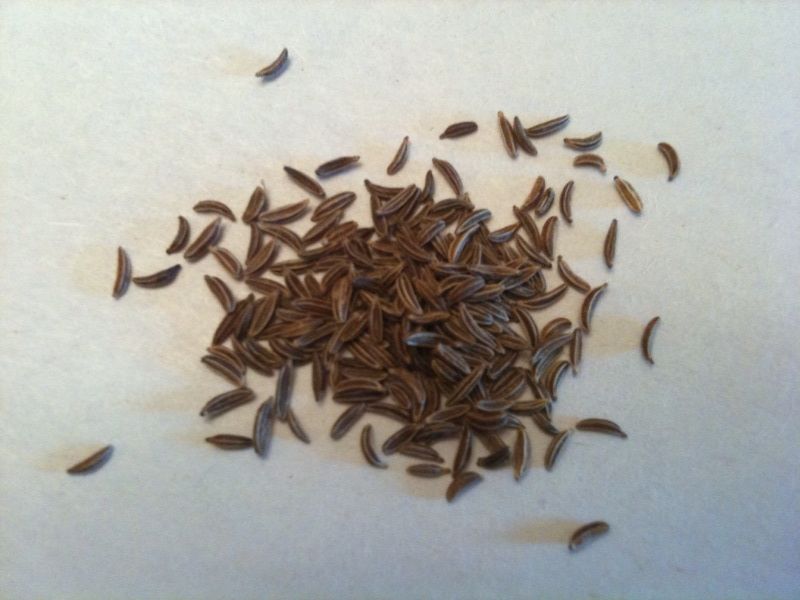
Several seeds are commonly confused with cumin: caraway (Carum carvi) and black cumin (a name applied to different species) have distinct flavors and botanical identities. When substituting, be aware of these differences. Cumin is sold whole or ground; whole seeds keep longer. To maximize flavor: store in a cool dark place, toast lightly before use, and add ground cumin earlier in long-cooked dishes or near the end for brighter notes. For botanical details and identification, consult a plant reference on the species and related taxa.
- Forms: whole seeds, ground powder, essential oil
- Typical pairings: coriander, chili, garlic, cinnamon, cloves
- Cooking tip: quick toasting amplifies aroma
Related articles
Author
AlegsaOnline.com Cumin (Cuminum cyminum): characteristics, uses and cultural history Leandro Alegsa
URL: https://en.alegsaonline.com/art/24653