
Iron (Fe, atomic number 26): properties, occurrence, and uses
Iron (Fe, atomic number 26): a silvery, magnetic metal — overview of physical and chemical properties, global occurrence from core to ore deposits, major uses in steel and tools, biological role and historical impact
Iron is a chemical element with the symbol Fe and atomic number 26. It is also classified as a metal. By mass, iron is the single most abundant element in the planet Earth, largely because huge amounts concentrate in the Earth's core. In the Earth's crust iron ranks lower in abundance, typically described as the fourth most common element.
Image gallery
10 Images


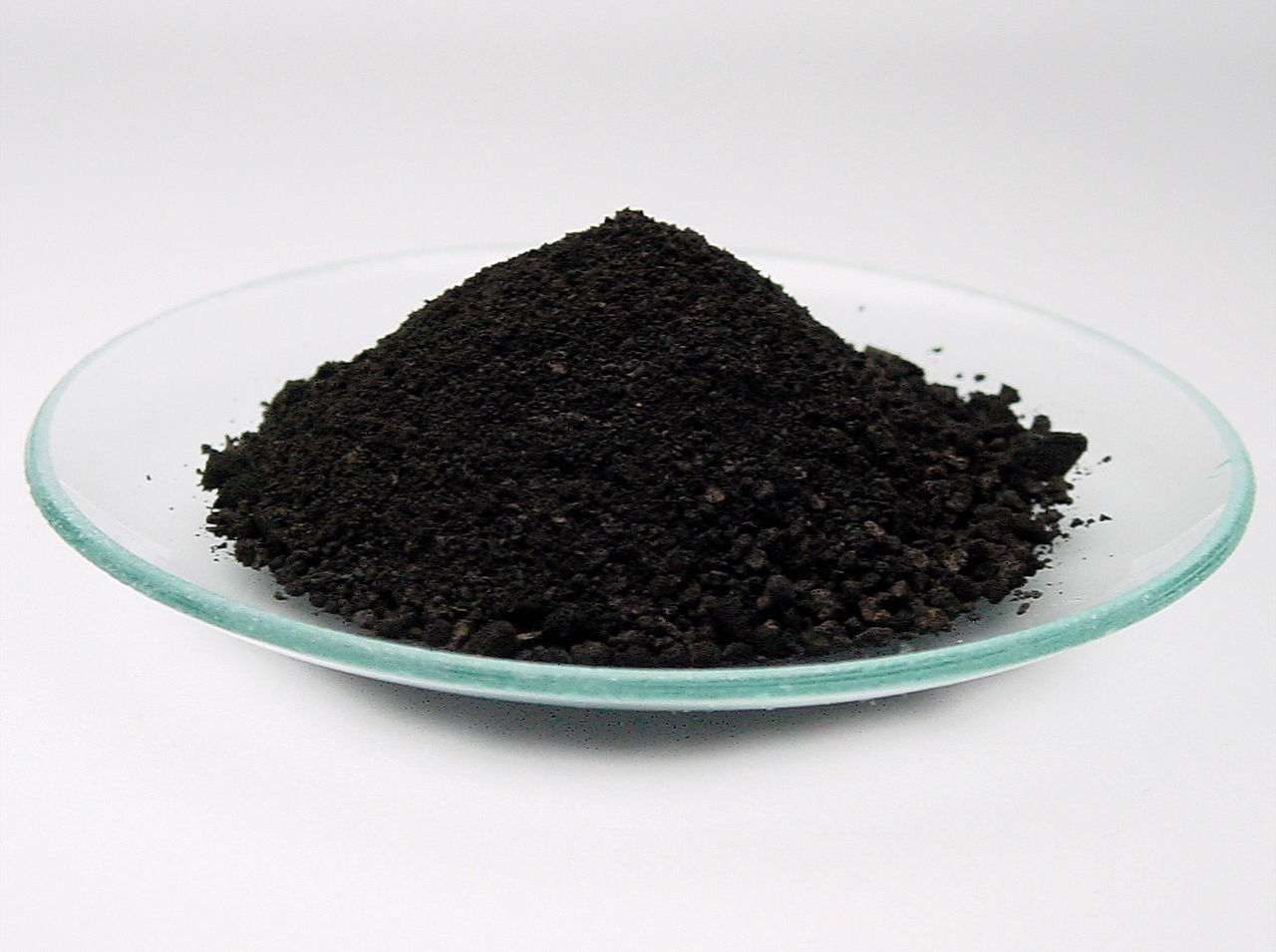
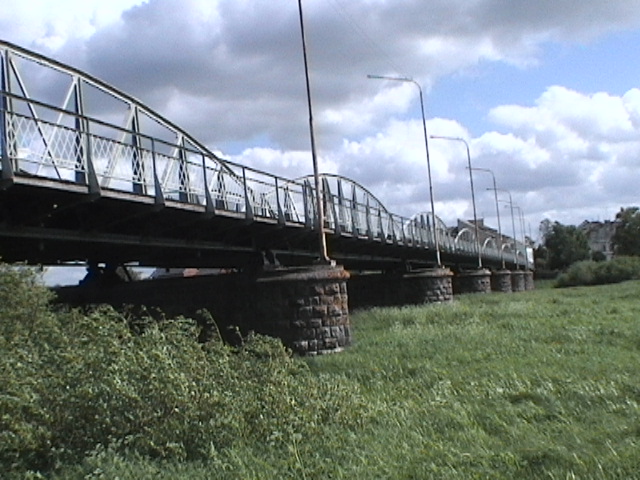


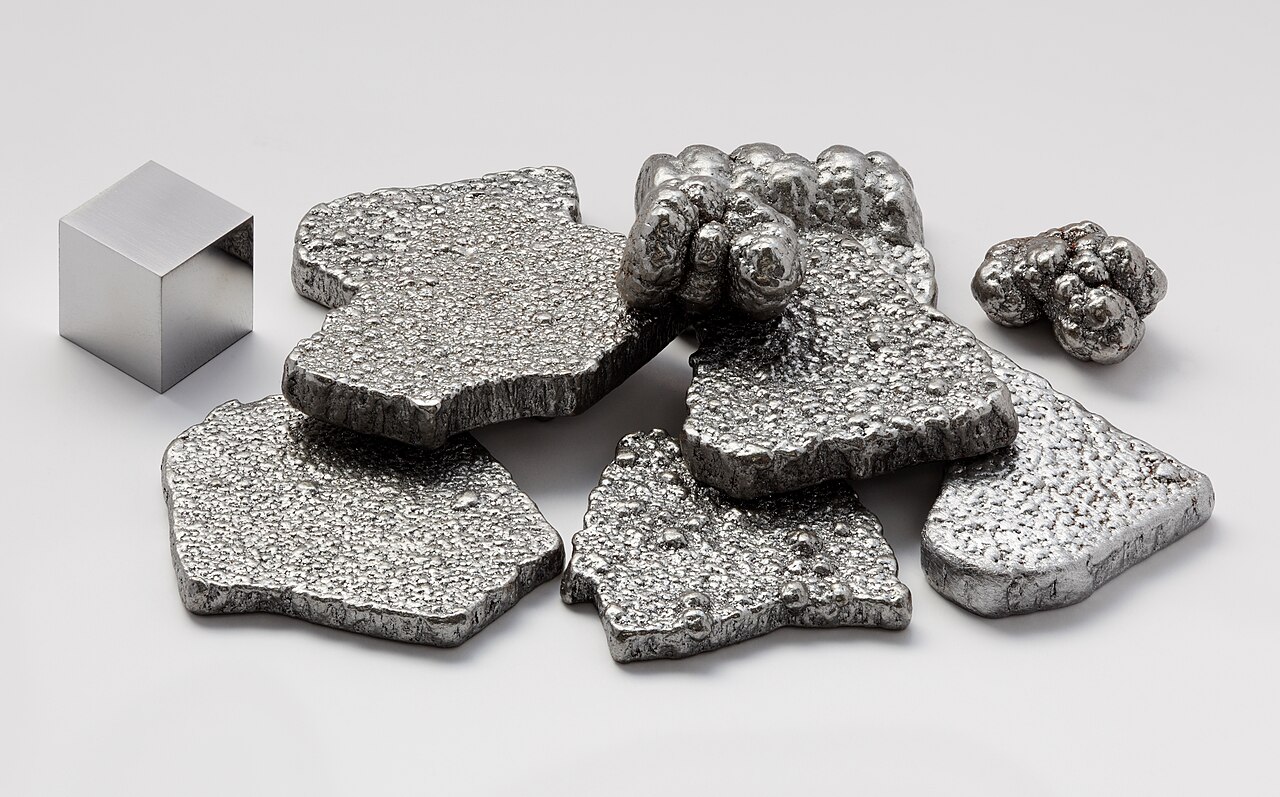
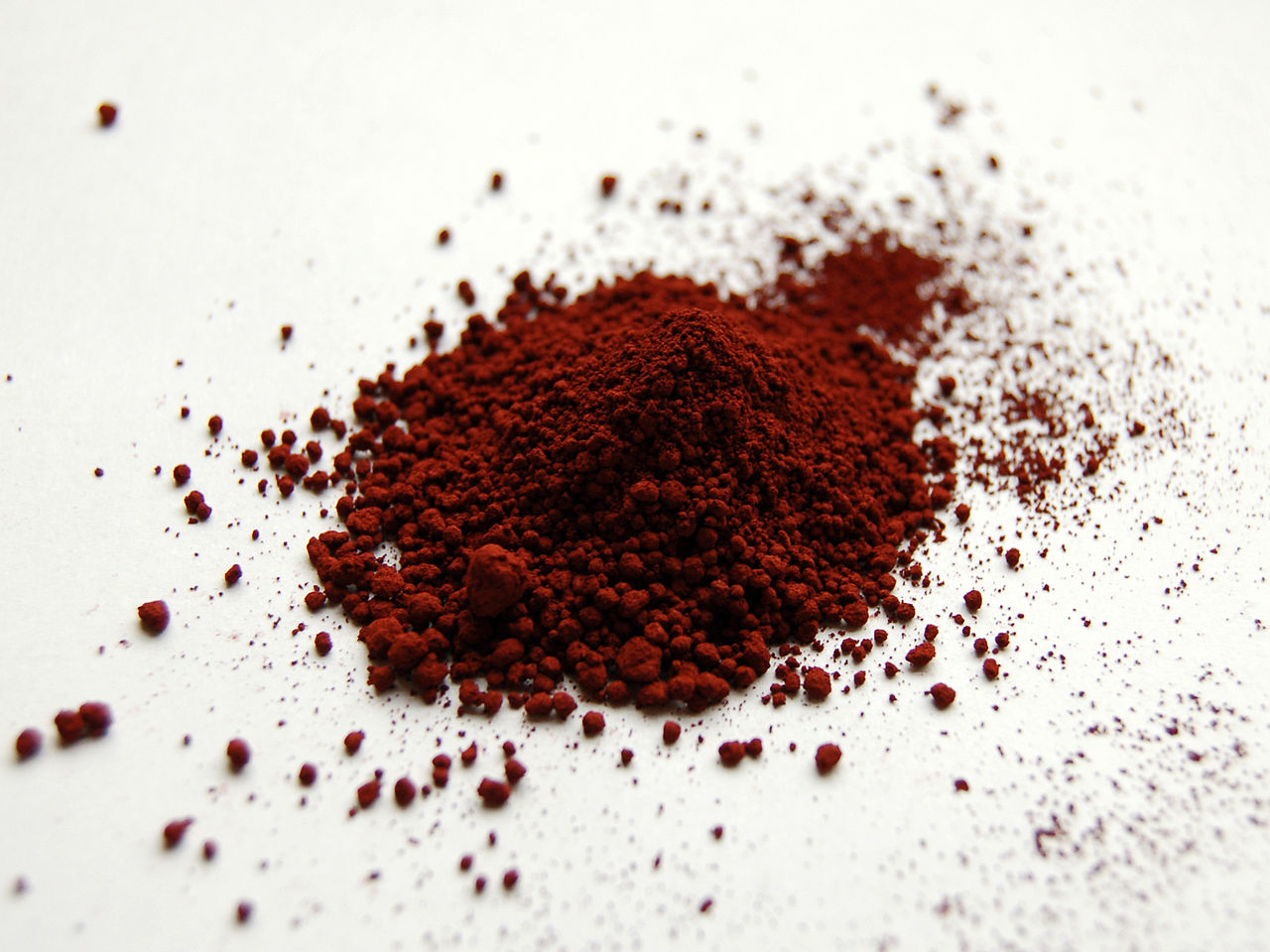

Properties
Iron is a silvery-gray, lustrous metal in its pure form. As a chemical element it shows ferromagnetism at normal temperatures and becomes non-magnetic above its Curie temperature. Pure iron is relatively soft compared with many industrial alloys, but it can be made much stronger when combined with carbon and other elements to form materials such as steel. Iron reacts with oxygen and water to form iron oxides (rust), which affects its durability in outdoor environments.
Occurrence and sources
- Most of Earth's iron is sequestered in the planet's core, where it exists in dense metallic form.
- In the crust, iron is found chiefly as oxides and sulfides—minerals that are mined as iron ore for industrial use.
- Meteoric iron, which predates smelting, was used by some ancient cultures because it arrived in a metallic state.
Uses
Iron is widely used because it combines useful mechanical properties with low cost. The majority of manufactured iron is converted into steel, an alloy that dominates construction, transportation, and machinery. Other applications include cast iron products, tools, and components where toughness and wear resistance are required.
History
People began producing and working iron from ores in different regions at varying times; around 1200 BCE iron working became common enough in some areas that historians mark a shift from the Bronze Age to the Iron Age. Earlier, naturally occurring metallic iron from meteorites had been used by humans.
Biological role
Iron is an essential element for most living organisms. In many animals it is a central component of hemoglobin and other proteins involved in oxygen transport and cellular respiration. Both iron deficiency and iron excess can cause health problems, so biological systems tightly regulate iron levels.
Questions and answers
Q: What is this article about?
A: This article is about iron, the metal.
Q: What is iron?
A: Iron is a chemical element and a metal.
Q: Why is iron used so much?
A: Iron is used a lot because it is strong and cheap.
Q: What is the main ingredient used to make steel?
A: The main ingredient used to make steel is iron.
Q: Is raw iron magnetic?
A: Yes, raw iron is magnetic and attracted to magnets.
Q: What is magnetite?
A: Magnetite is a compound of iron that is permanently magnetic.
Q: When was iron first used?
A: Iron was first used around 1200 BCE, which is considered the transition from the bronze age to the iron age.
Related articles
Author
AlegsaOnline.com Iron (Fe, atomic number 26): properties, occurrence, and uses Leandro Alegsa
URL: https://en.alegsaonline.com/art/48228
Sources
- doi.org : 10.1007/978-94-007-7500-8_8
- doi.org : 10.1007/978-94-007-5561-1_8
- worldcat.org : 1559-0836
- worldcat.org : 1868-0402
- ars.usda.gov : "Testing the Fortitude of Iron in Cereals"
- doi.org : 10.1016/S0899-9007(01)00519-6
- pubmed.ncbi.nlm.nih.gov : 11377130
- wikidata.org : wikidata.org/wiki/Q677
- catalogo.bne.es : XX524497
- catalogue.bnf.fr : cb11975665r
- data.bnf.fr : (data)
- d-nb.info : 4014002-7
- hls-dhs-dss.ch : 026231
- id.loc.gov : sh85068131
- id.ndl.go.jp : 00572915