
Limburger cheese: origin, characteristics, culinary uses and notable facts
Limburger is a washed‑rind cow’s‑milk cheese from the historic Duchy of Limburg, famed for its pungent aroma, soft texture, and cultural role in cuisine and unexpected public‑health research.
Limburger is a soft, washed‑rind cheese traditionally made from cow's milk. It is most notable for a pronounced, sometimes described as pungent or penetrating, aroma that develops as the rind ripens. The cheese has a pale interior, a thin sticky orange‑brown rind, and a smooth, spreadable paste when fully ripe. Limburger belongs to the broader family of washed‑rind cheeses, which are regularly treated with brine or a bacterial solution to encourage specific surface flora.
Image gallery
4 Images


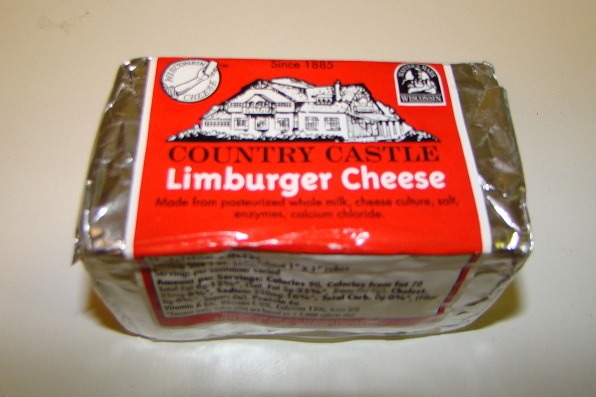
Characteristics and production
Limburger’s texture is semi‑soft to soft. During aging the surface is colonized by bacteria that break down proteins and fats, producing volatile compounds responsible for the cheese’s scent and flavor. Typical attributes include:
- Soft, creamy interior and a sticky, colored rind.
- A complex, savory flavor profile that can range from mild to sharp as it matures.
- A strong odor largely from surface bacteria, a trait often highlighted in descriptions and popular culture — see the discussion of its smell.
Modern production techniques follow traditional steps—coagulation, curd cutting, molding, salting and surface washing—while regulatory standards and hygiene controls vary by country and producer.
History and geographic origin
The name derives from the historic Duchy of Limburg, a region whose territory is now divided among parts of the modern states of the Netherlands, Belgium and Germany. Small‑scale, regional cheesemaking there produced early forms of Limburger. Since the mid‑19th century, industrial and commercial production shifted largely to Germany, where much of today’s supply is made. Despite that shift, the cheese retains a regional identity tied to Limburg’s cheesemaking traditions.
Culinary uses and examples
Limburger is typically served at room temperature so its texture and aroma are fully expressed. It appears in a variety of simple presentations rather than elaborate recipes: spread on rye or dark breads, paired with onions or pickles, or used as a flavorful component in open sandwiches. Its strong aroma means it is often used sparingly and paired with beverages that complement robust, savory flavors.
Notable research and public‑health connection
Beyond gastronomy, Limburger entered scientific and public‑health commentary in connection with mosquito behavior. A study found that the malaria mosquito Anopheles gambiae is attracted to odor compounds similar to those produced by human feet and by Limburger rind. That work received public attention and an Ig Nobel Prize for its unusual intersection of food chemistry and entomology. In applied settings, the cheese’s scent has been tested as a component of lures or traps to draw vectors away from people, and small‑scale programs have explored deploying Limburger in strategic locations to assist malaria control efforts in parts of Africa (malaria control applications).
Distinctions and cultural notes
Limburger is often contrasted with milder cow’s‑milk cheeses and with closely related washed‑rind varieties such as Munster or Taleggio. Cultural attitudes toward its smell vary widely—admired by aficionados for depth and character, and considered challenging by those unaccustomed to strong‑smelling cheeses. Its notoriety has also made it a fixture in culinary trivia and regional food identity discussions.
For further reading on production methods, regional appellations and food‑safety standards consult producer resources and cheese reference guides: Limburger overview, technical discussions of milk types, and historical accounts of Limburg’s culinary heritage in the areas now within the Netherlands, Belgium and Germany. Scientific summaries of odor‑attraction studies and their implications appear in entomology and public‑health literature (odor chemistry, Anopheles research, award note, applied uses).
Related articles
Author
AlegsaOnline.com Limburger cheese: origin, characteristics, culinary uses and notable facts Leandro Alegsa
URL: https://en.alegsaonline.com/art/58070
Sources
- doi.org : 10.1016/S0140-6736(05)65812-6
- pubmed.ncbi.nlm.nih.gov : 8909415
- improbable.com : Ig Nobel Prize list of past winners
- commons.wikimedia.org : Limburger cheese