
Liquor (Distilled Spirits): Overview, Production, Types and Regulation
Liquor or distilled spirits are high‑alcohol beverages made by distilling fermented mash. This article explains production, common types, history, uses, and how spirits differ from beer, wine and liqueurs.
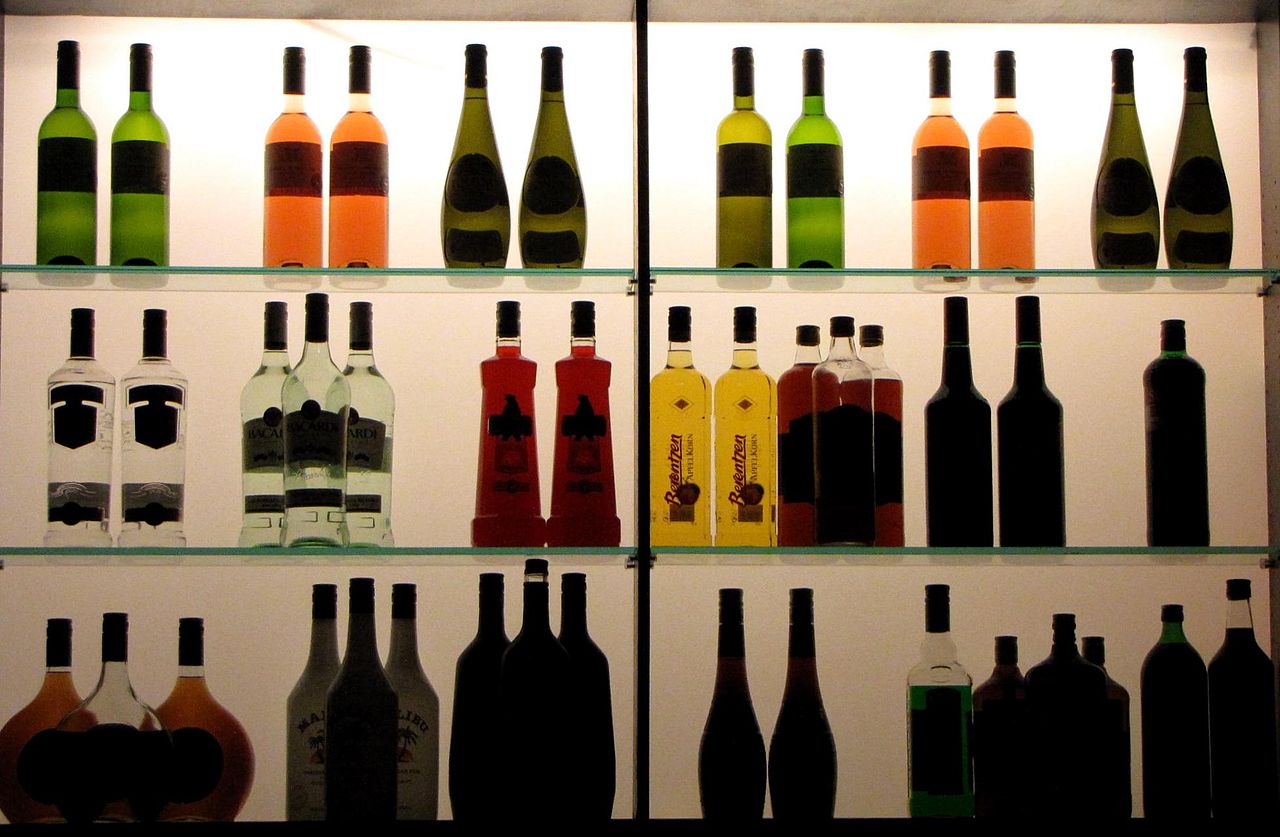
Liquor, also commonly called distilled spirits or simply spirits, refers to alcoholic beverages produced by distillation of fermented material and that contain ethanol. The term distinguishes these drinks from beer and wine because distillation concentrates alcohol content. Some sources use alcoholic drink as a general term, while the active compound is ethanol. Regional vocabulary varies: in North America and parts of India the phrase "hard liquor" is commonly used to contrast stronger distilled beverages with weaker fermented ones.
Image gallery
9 Images





Characteristics and terminology
Spirits are typically measured by alcohol by volume (ABV) or by proof; in the United States proof is defined as twice the ABV percentage. A product labeled a "spirit" often contains no added sugar and usually has a minimum ABV around 20%, though conventions vary. Sweetened or flavored distilled products are called liqueurs or cordials and are regulated and taxed differently from unsweetened spirits.
Production and main types
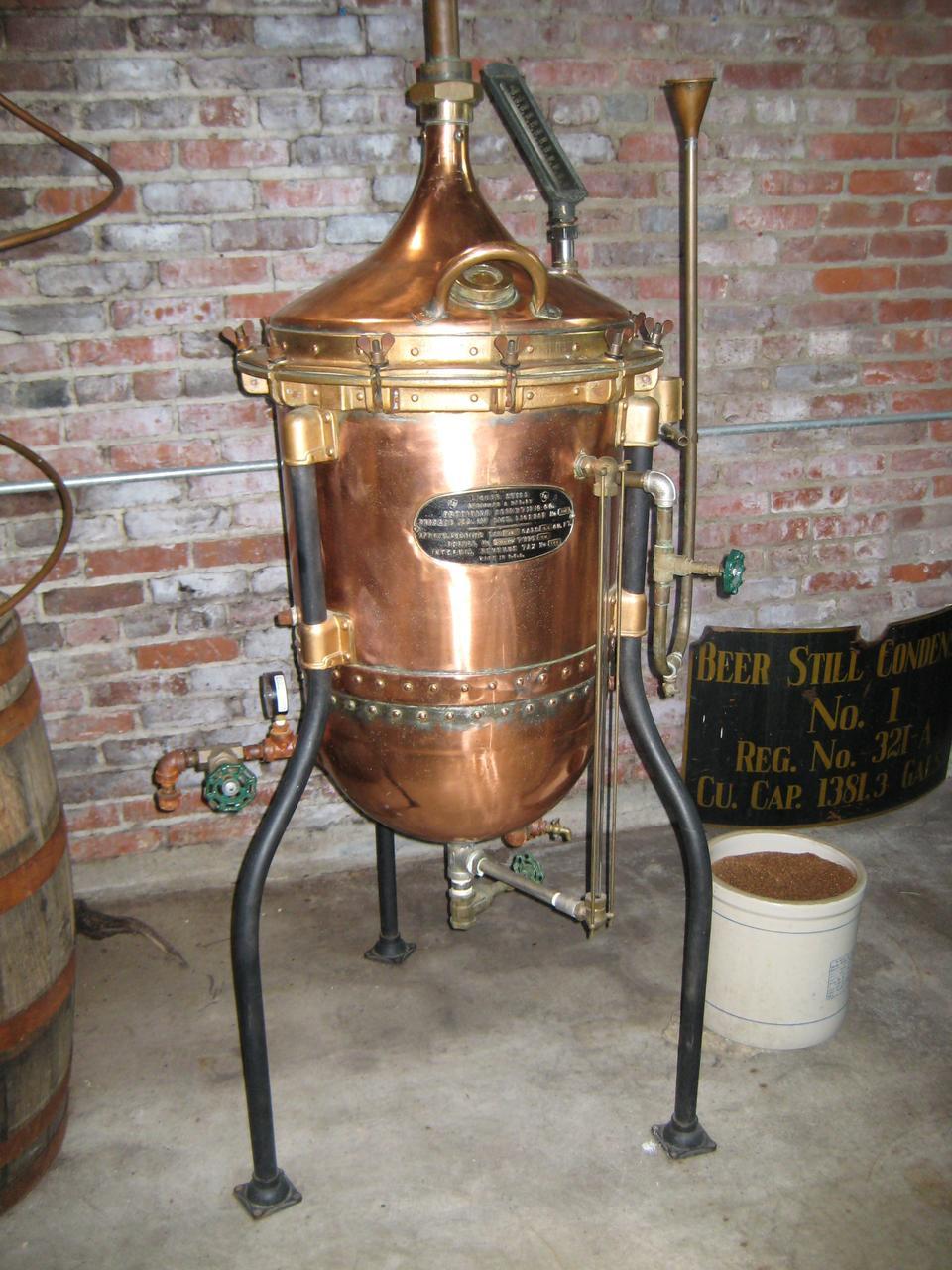
Production generally follows two stages: fermentation, in which yeast converts sugars to alcohol, and distillation, which separates and concentrates ethanol from the fermented mash. Additional steps such as aging in wood, filtration, and blending shape flavor and color.
- Whiskey (malt, grain, bourbon, rye)
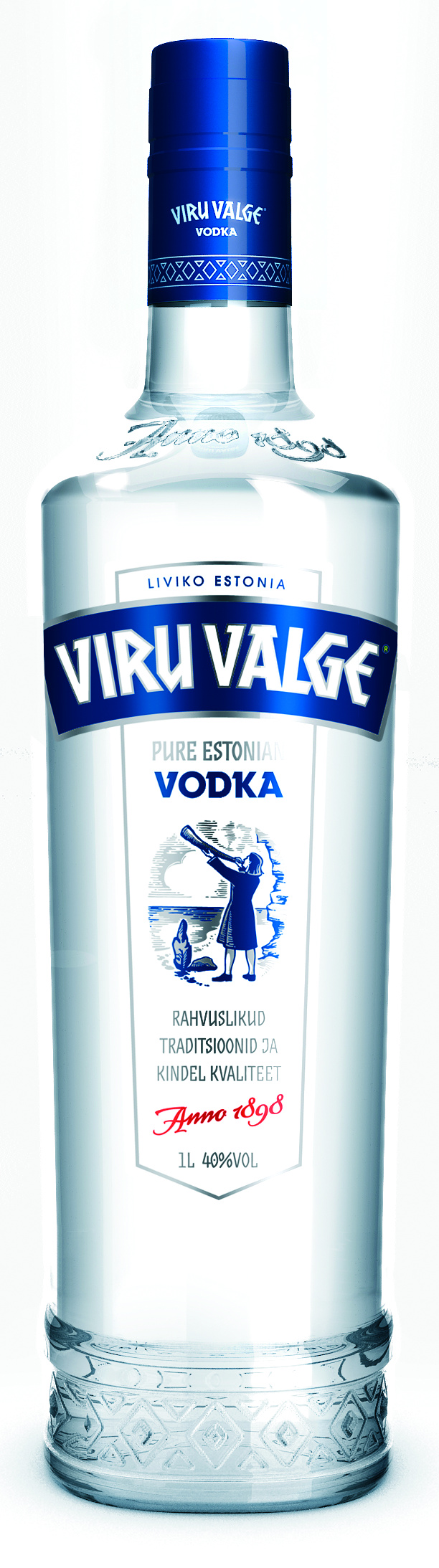
- Vodka (neutral spirit often distilled to high purity)
- Rum (from sugarcane or molasses)
- Gin (flavored with botanicals, notably juniper)
- Tequila and mezcal (from agave)
- Brandy (distilled from wine or other fermented fruit juices)
History and cultural roles
Distillation techniques evolved over centuries and were refined in several regions; their spread enabled the production of stronger alcoholic beverages and new medical, commercial and culinary uses. Distilled spirits have long been central to social rituals, trade and taxation. In modern times they underpin global beverage industries, cocktail culture and artisanal craft distilling movements.
Uses, safety and regulation
Beyond consumption, high‑proof spirits are used as solvents, in flavor extraction, in culinary applications and historically in medicines or as fuel. Because of their potency, spirits are subject to age limits, labeling rules, excise taxes and other regulations that vary widely by country. Public health advice emphasizes moderation: intoxication risks rise with ABV and serving size.
Distinctions and notable facts
Key distinctions: spirits are produced by distillation and are typically higher in ABV than fermented beverages; liqueurs are spirits with added sugar and flavorings; fortified wines are wine with added spirit rather than being distilled from a mash. Measurement conventions (proof vs ABV), minimum strength standards and tax categories remain important practical differences across jurisdictions.
Related articles
Author
AlegsaOnline.com Liquor (Distilled Spirits): Overview, Production, Types and Regulation Leandro Alegsa
URL: https://en.alegsaonline.com/art/58381