
Junk food: definition, characteristics, health effects and examples
Overview of junk food—what it is, common ingredients and products, health concerns, brief history, policy responses and how it differs from nutrient-dense foods.
Junk food is a non-technical term applied to foods and drinks that deliver comparatively large amounts of energy (calories) with little nutritional benefit. Typical descriptions emphasize high levels of added sugars, refined carbohydrates, salt and unhealthy fats, together with low amounts of fibre, vitamins, minerals and protein. For clarity, some writers use the phrase foods of low nutritional value to highlight that the issue is poor nutrient density rather than energy content alone. High calorie content and simple sugars are central concerns: see calories and sugar in food analysis.
Image gallery
4 Images

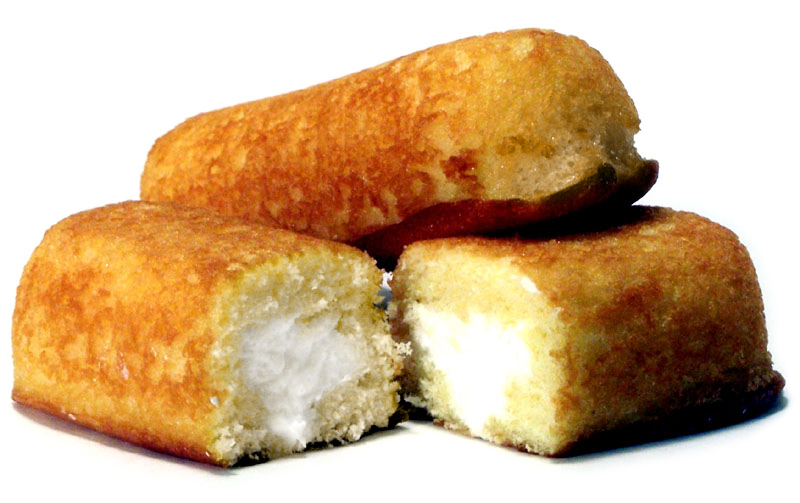

Key characteristics
Junk foods commonly share several features. They are often high in saturated or trans fats, sometimes called "bad fats," which are discussed under bad fat. They may be low in essential macronutrients such as protein and beneficial fats, and deficient in fibre, vitamins and minerals. Heavy processing, long ingredient lists and additives aimed at prolonging shelf life or enhancing taste are common. Critics therefore say junk food provides little nutritional value while delivering excessive salt (salt), sugar and calories.
History and development
The modern category known as junk food grew from technological, economic and cultural shifts in the 20th century: industrial food processing, mass advertising and the expansion of quick-service restaurants. While energy-dense foods have existed for centuries, the scale, packaging and marketing of cheaply produced snacks and ready-to-eat items changed consumption patterns. Industrial meat products and fried preparations also contributed; some high-protein offerings can become nutritionally poor if cooked in excess fat (meat).
Common examples
Examples frequently cited in public discussion include burgers, fried snacks and confectionery. Typical items are:
- Hamburgers and many fast-casual sandwiches
- Deep-fried items such as fried chicken
- Sweets, candy and chocolate (candies)
- Many ready-to-eat meals and packaged snacks from the fast food sector
Health effects and public response
Diets high in energy-dense, nutrient-poor products are associated with increased risk of overweight and obesity and with a higher probability of related conditions such as type 2 diabetes, cardiovascular disease and dental caries. Because of these links, governments and public-health organizations have run education campaigns, implemented nutrition labelling and in some cases restricted advertising or sales to children. Efforts focus on reducing intake of added sugars, unhealthy fats and excess salt while promoting whole foods rich in fibre and micronutrients.
Distinctions and practical guidance
Not every high-calorie or processed food must be labelled "junk" in every context. Foods can be energy-dense yet nutrient-rich (for example, nuts and seeds are calorie-rich but provide good fats, protein and minerals). Practical guidance encourages evaluating foods by overall nutrient density and role in a balanced diet. Consumers aiming to limit junk food commonly choose minimally processed options, increase whole grains, fruits and vegetables, read labels for calories and salt, and treat highly processed snacks and sweets as occasional items rather than staples.
For broader reading about dietary patterns, policy interventions and ingredient definitions consult reputable public-health sources and nutrition guidance from national health agencies or recognized organizations. Further detail can be found by following related topics such as processing, food labelling and advertising regulations.
Related articles
Author
AlegsaOnline.com Junk food: definition, characteristics, health effects and examples Leandro Alegsa
URL: https://en.alegsaonline.com/art/51675