
Kamaboko — Japanese surimi fish cake, varieties and uses
Kamaboko is a Japanese processed seafood made from surimi (pureed white fish). This article covers production, common types (narutomaki, kanikama), history, culinary uses, nutrition, storage and cultural roles.
Kamaboko is a traditional Japanese processed seafood made from surimi, a paste of refined white-fleshed fish that is seasoned, shaped and cooked to form a firm, sliceable product. Often called a fish cake in English, kamaboko is produced in many shapes and textures and appears across Japanese home cooking, street food, convenience-store snacks and ceremonial cuisine. The term is used both for classic steamed loaves and for a range of related re-formed fish products.
Image gallery
9 Images


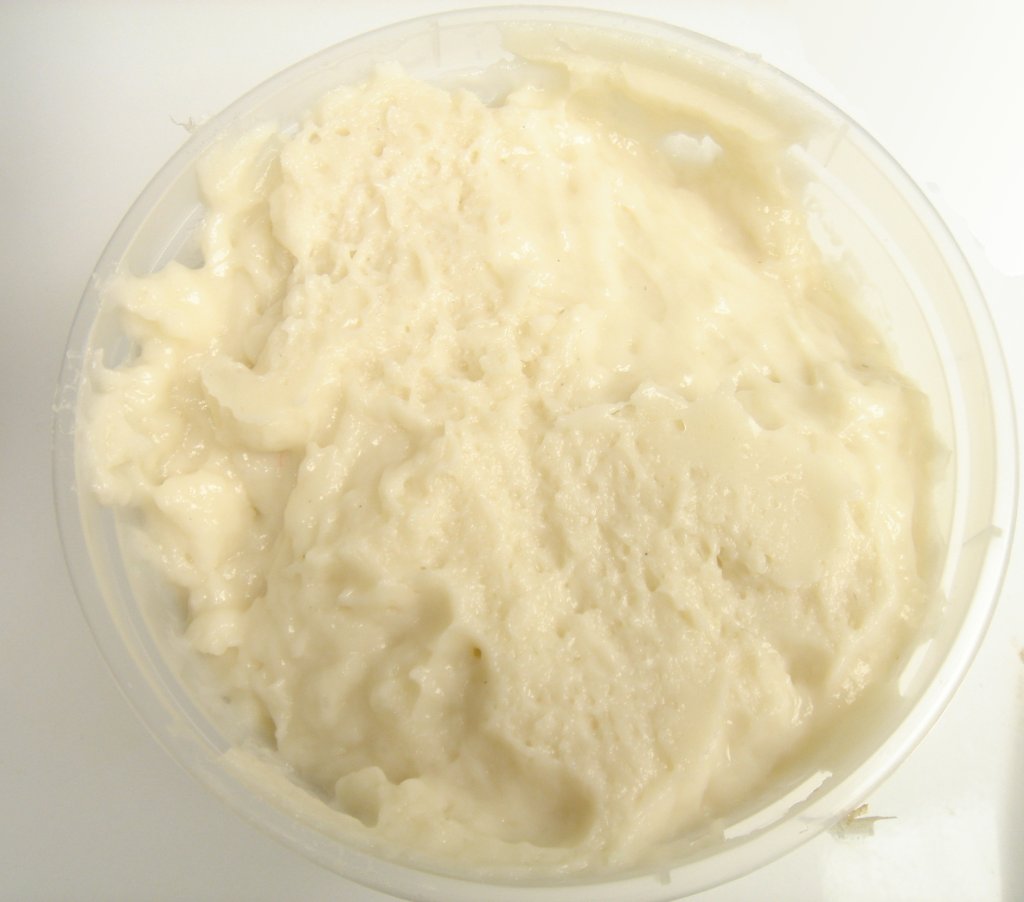
Production and characteristics
Basic production begins with deboned white fish that are minced and washed to remove fat and pigments, creating a smooth, elastic paste. The surimi is then mixed with salt and flavorings and sometimes with starch, sugar, egg white or other binders. The mixture is molded into forms — semicylindrical loaves, rolls, tubes or patties — and heated by steaming, baking or frying to set the texture. The final product can be springy and homogeneous or slightly fibrous depending on species, processing and added ingredients.
Common varieties and related forms
- Narutomaki — a white roll with a distinctive pink spiral in the center; slices are used as a decorative garnish and the spiral name evokes the Naruto whirlpool and the coastal Naruto city association.
- Red- or pink-topped loaves — semicylindrical loaves with a colored exterior that are commonly sliced for soups, bento boxes and appetizers.
- Kanikama (imitation crab) — shredded or flaked surimi flavored and colored to resemble crab meat; widely used outside Japan as an economical substitute in salads, sushi and ready meals.
- Chikuwa and satsuma-age — related surimi products formed on a stick or shaped and fried; they are distinct from steamed kamaboko but share the same basic ingredient.
- Chikama — a convenience-store snack combining kamaboko with cheese or other fillings often sold pre-sliced.
History and cultural context
Kamaboko has deep roots in Japanese food culture and has been made in recognizable forms since at least the medieval period. Over centuries regional styles and decorative presentations developed; bright red or pink edges and white interiors are considered visually appealing and are used in celebratory dishes. Slices are commonly included in New Year’s osechi and other festive meals for their color and presentational qualities.
Culinary uses
Kamaboko is versatile: it may be served cold and sliced, simmered in broths, added to hot pots, or lightly grilled or pan-fried. Typical uses include as a topping for ramen and udon, inclusion in oden (a simmered dish), incorporation into sushi and salads, or as a component of bento lunches. Its mild flavor and firm texture make it suitable for absorbing sauces and broths.
Nutrition, storage and purchasing tips
Surimi-based kamaboko is a concentrated source of protein with relatively low fat when made from lean fish, though sodium content can be high due to seasoning and preservatives. Some varieties contain egg, milk, wheat or other allergens, so label reading is advised. Refrigerated kamaboko typically keeps for a few weeks if unopened and properly stored; freezing extends shelf life but can alter texture. When buying, look for a clean smell, even color and firm texture; avoid items with off-odors or excessive liquid.
Global spread and adaptations
Techniques for making surimi and kamaboko-style products spread beyond Japan and have been adapted by seafood processors worldwide. Many mass-market re-formed seafood items are derived from the same principles and are marketed within the broader seafood product category. In international cuisines, kamaboko derivatives are valued for low cost, convenience and versatility, and appear in salads, sushi, convenience foods and frozen meals.
Practical tips and distinctions
Kamaboko differs from whole-fish preparations by its use of a processed paste that is molded and cooked. For best texture, slice kamaboko thinly against the grain when serving cold, or briefly warm slices in broth or by searing to add color and aroma. Because formulations vary, people with allergies or dietary restrictions should check ingredient labels and choose products labeled for the appropriate allergens and additives.
For more detailed recipes, regional descriptions and commercial information see source guides and product labels, or consult specialist culinary references and producers for specifics on manufacturing methods and local varieties.
Useful links: seafood product overview, Japan food culture, Naruto whirlpool, Naruto city, ramen, udon.
Related articles
Author
AlegsaOnline.com Kamaboko — Japanese surimi fish cake, varieties and uses Leandro Alegsa
URL: https://en.alegsaonline.com/art/52019