
Candy (confectionery): overview, types, history, and health
Candy, or confectionery, covers a wide range of sweet (and sometimes spicy) confections made from sugar and flavorings. This article outlines ingredients, varieties, origins, production, uses, and health notes.
Overview
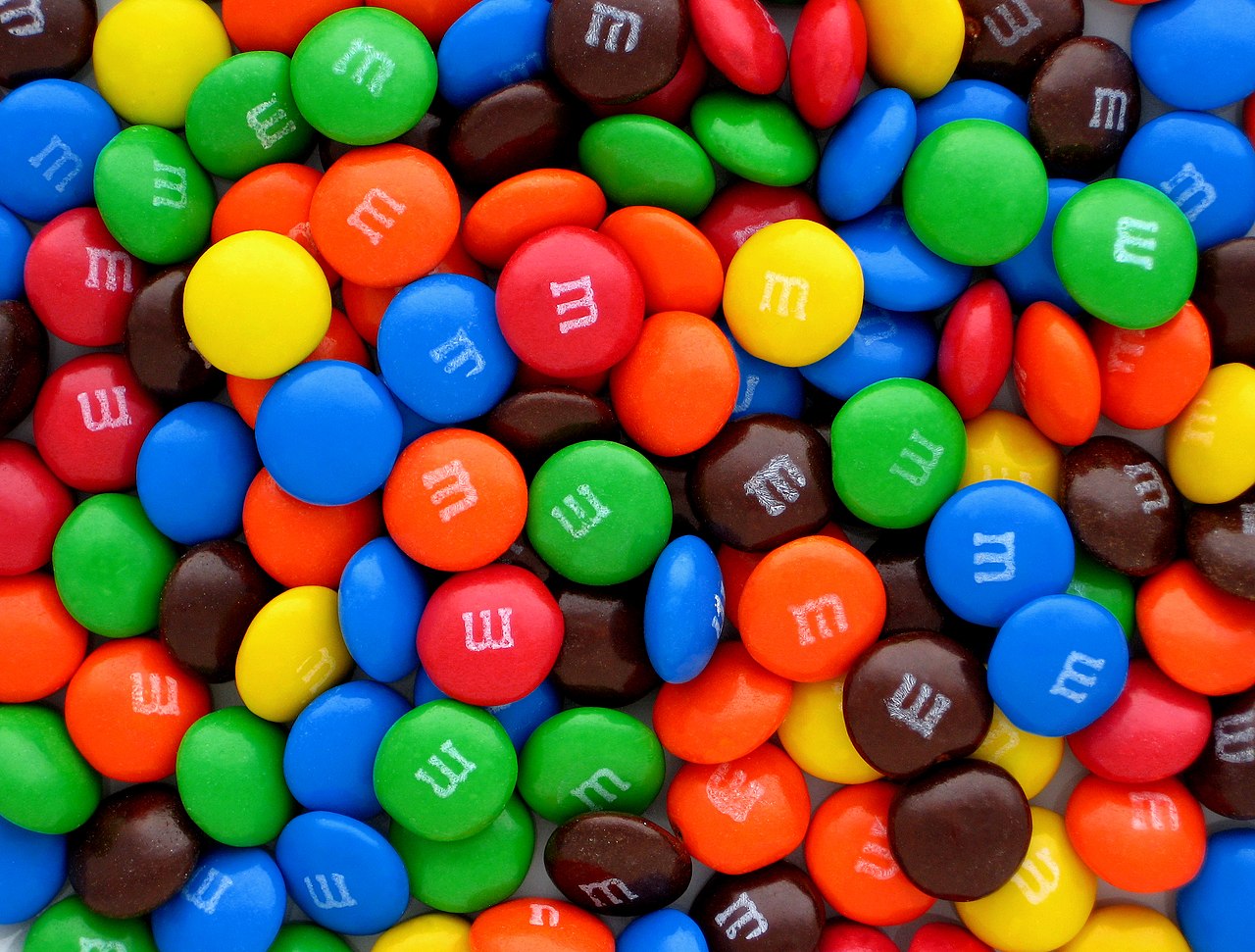
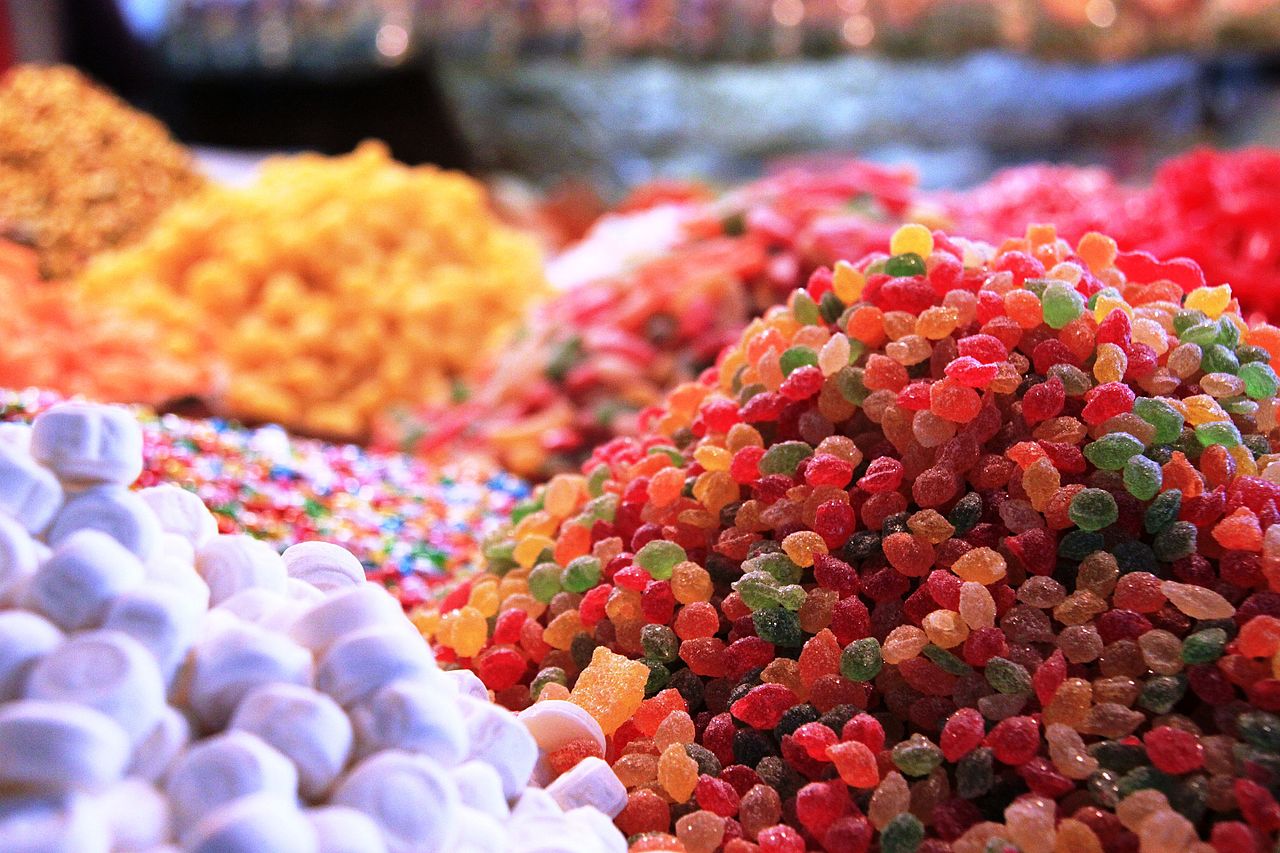
Candy, often called confectionery or sweets, refers to bite-sized edible treats made primarily from sugars, syrups, and flavorings. Sold worldwide in many forms, candy ranges from hard boiled lozenges to soft chews, chocolate bars, gummies, and boiled or pulled sugar pieces. It appears in shops, vending machines, festivals, and private kitchens, and occupies a prominent place in many culinary and cultural traditions.
Image gallery
10 Images



Ingredients and basic production
The core ingredient in most candies is crystalline sugar or sugar syrups. Water and heat are commonly used to dissolve and concentrate sugars; a typical home or factory recipe begins with water, sugar, and sometimes glucose or corn syrup to control crystallization. Other common components include fats (as in chocolate and caramels), gelatin or pectin for gels and gummies, starches, acids for tartness, and natural or artificial flavorings and colorants.
Types and examples
- Hard candies: boiled sugar shaped into drops, lozenges, or sticks.
- Chocolate confections: cocoa plus sugar and fats, varying by cocoa content.
- Gummies and jellies: gelled sweets using gelatin or pectin.
- Caramels and toffees: sugar cooked to caramelization with milk or butter.
- Fudges and nougats: sugar combined with cream, nuts, or whipped ingredients.
- Pastilles and licorice: flavored pastes extruded into shapes.
Small producers and home cooks often make candies by hand, while large manufacturers use continuous cookers, molds, and enrobing lines to produce millions of pieces daily.
History and etymology
The practice of concentrating sugars and honey into sweet treats dates back millennia. The English word "candy" reflects older linguistic roots: it is linked to Persian words for cane sugar and to a Sanskrit term meaning a piece of sugar. Over time different cultures developed distinctive sweets—spiced and fruit-based candies in South and Southeast Asia, boiled sugar confections in Europe, and chocolate-based sweets after the introduction of cocoa to Europe.
Uses, cultural roles, and variations
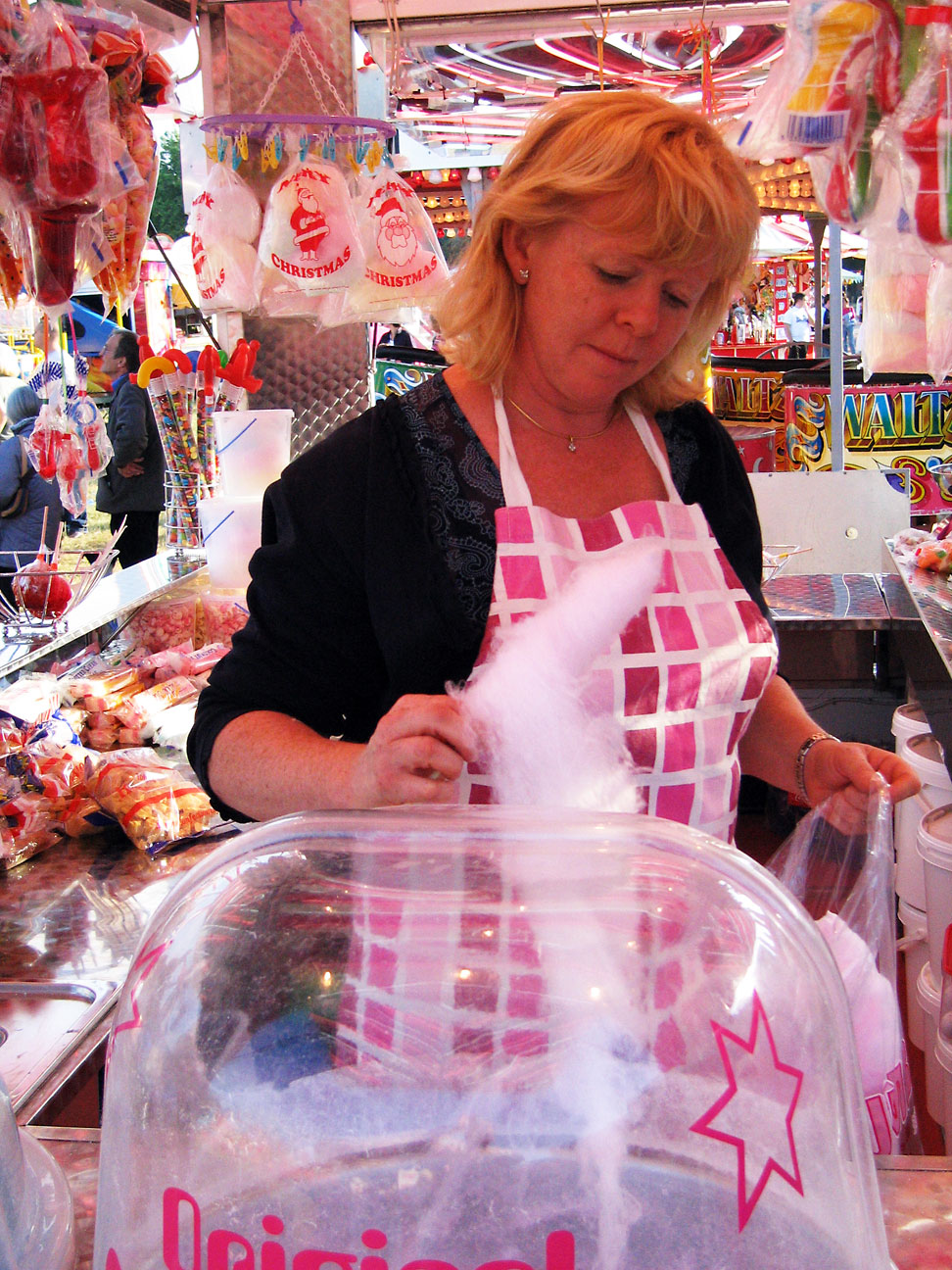
Candy serves many roles beyond simple snacking: it is used in celebrations, religious festivals, trick-or-treating, and as small gifts. Regional tastes produce unusual variations—spicy tamarind or chili candies in parts of Latin America and Asia, herbal pastilles in Europe, and sugar-snap treats at festivals. Manufacturers also produce sugar-free candies that use alternative sweeteners for people managing calorie or dental concerns.
Health, storage, and notable distinctions
Most candies are high in simple carbohydrates and calories, so frequent consumption can contribute to dental decay and weight gain. Some products are fortified or marketed as containing natural ingredients, but nutritional value is generally low compared with whole foods. Candies store well in dry, cool conditions; shelf life varies by moisture content—hard candies last longest, while soft confections and chocolates are more perishable.
Further reading and sources
For more on raw materials, production methods, and industry information, consult references on sugar refining and confectionery manufacturing and the histories linked to language and trade. Businesses large and small produce candy globally; a selection of current manufacturers and trade resources can be found through industry directories and historical studies of confectionery production. See also general notes on sugar and language origins: etymology resources and industry and company listings.
Related articles
Author
AlegsaOnline.com Candy (confectionery): overview, types, history, and health Leandro Alegsa
URL: https://en.alegsaonline.com/art/16534
Sources
- simple.wiktionary.org : simple.wiktionary.org/wiki/Special:Search/Candy
- commons.wikimedia.org : commons.wikimedia.org/wiki/Special:Search/Candy
- en.wikinews.org : en.wikinews.org/wiki/Special:Search/Candy
- en.wikiquote.org : en.wikiquote.org/wiki/Special:Search/Candy
- en.wikisource.org : en.wikisource.org/wiki/Special:Search/Candy
- en.wikibooks.org : en.wikibooks.org/wiki/Special:Search/Candy
- en.wikiversity.org : en.wikiversity.org/wiki/Special:Search/Candy
- etymonline.com : "Online Etymology Dictionary"