
Ketogenic diet: overview, mechanisms, uses, variants and cautions
A high‑fat, low‑carbohydrate eating pattern that shifts metabolism toward ketone production. Originally therapeutic for epilepsy, now used for weight and metabolic goals; suitability and safety vary by individual.
Overview
The ketogenic diet is an eating pattern that provides most energy from fats, a moderate amount from protein, and very little from carbohydrates. Typical macronutrient approaches prioritize fats as the main fuel source, keep protein at a moderate level, and restrict carbohydrates to a low amount. When carbohydrate intake is sufficiently limited, the body shifts from primarily using glucose to using fat-derived molecules called ketone bodies. This metabolic state is commonly called ketosis.
Image gallery
5 Images


How it works: basic physiology
Under ordinary dietary conditions, dietary carbohydrates are digested into glucose, the principal energy source for many tissues. With sustained carbohydrate restriction the liver increases fatty acid breakdown and converts fatty acids into ketone bodies (acetoacetate, beta‑hydroxybutyrate and acetone). Ketone bodies circulate and can be used by the brain and other organs as an alternative fuel. At the same time, the liver continues to supply some glucose through gluconeogenesis for cells that require it.
Metabolic and clinical effects
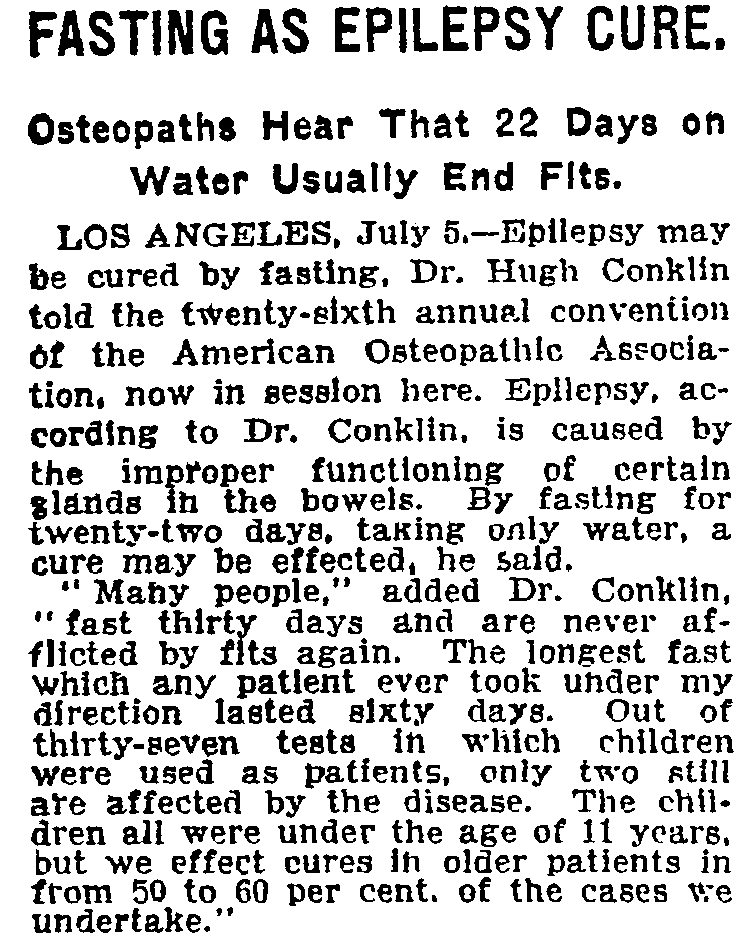
By changing the primary fuel from glucose to fat and ketones, the diet can affect appetite, blood glucose levels, and insulin dynamics. It has an established role in reducing seizures for some forms of drug-resistant epilepsy when implemented under medical supervision. It is also studied and commonly used for weight management and improving markers of metabolic health, though individual responses vary and evidence quality differs by outcome and population.
Variants and practical approaches
- Classical ketogenic diet: a strict medical protocol originally developed for epilepsy with carefully measured macronutrients.
- Modified or low‑carbohydrate ketogenic plans: more flexible versions used for weight loss or metabolic goals; carbohydrate limits and fat-to-protein ratios vary.
- Targeted or cyclical ketogenic approaches: allow additional carbohydrates around exercise or in planned refeeding periods for athletes or specific goals.
Common foods included and avoided
Foods emphasized include oils and other sources of dietary fat, nuts, seeds, fatty fish, avocados, eggs, and many animal proteins, along with low‑carbohydrate vegetables. Foods commonly limited are sugary items, most grains, starchy vegetables and many fruits. Choice of foods and the nutrient balance should aim to meet vitamin and mineral needs while maintaining the desired carbohydrate limit.
Potential benefits
Reported and studied benefits include reduced seizure frequency in selected epilepsy patients, short‑term weight loss, reductions in postprandial glucose and insulin excursions, and improvements in some metabolic markers for some people. Effects differ by individual and by the specific form of the diet used.
Short‑term effects and side effects
Initial adaptation to carbohydrate restriction commonly causes transient symptoms often called the "keto flu": fatigue, headaches, lightheadedness, constipation or diarrhea, and changes in taste or breath. Electrolyte and fluid shifts are common early on. Some people experience increases in blood lipids; others see improvements. Monitoring by a clinician is recommended for therapeutic use or for people with preexisting conditions.
Contraindications and cautionary groups
The ketogenic diet is not appropriate for everyone. Contraindications or groups requiring extra caution include people with certain metabolic disorders, severe liver or pancreatic disease, some rare genetic conditions affecting fat metabolism, pregnant or breastfeeding people, and those on medications that affect glucose or electrolyte balance. Individuals with diabetes, especially type 1 diabetes, should seek medical advice because of the risk of diabetic ketoacidosis in uncontrolled situations.
Initiation, monitoring and practical tips
Starting a ketogenic approach can be gradual or rapid depending on the chosen plan. Many clinicians recommend baseline and follow‑up laboratory tests when the diet is used therapeutically: lipid profile, electrolytes, kidney and liver function, and glucose regulation. Self‑monitoring tools include food tracking and, for those interested, home testing of blood or urine ketones. Reintroducing carbohydrates should be done thoughtfully to avoid rapid weight regain or metabolic disruption.
Common misconceptions
Ketosis is a regulated metabolic state distinct from diabetic ketoacidosis, which is a dangerous condition mostly seen in uncontrolled type 1 diabetes. Also, the body continues to produce some glucose on a low‑carbohydrate diet because certain cells require it; ketosis is an additional fuel strategy rather than a complete absence of glucose production.
Further reading and resources
For more detailed information on macronutrients and metabolic concepts see resources about dietary fats, dietary protein, and carbohydrates. Explanations of glucose metabolism, the role of ketone bodies, and the clinical meaning of ketosis can help prospective users understand mechanisms and risks. Consultation with a healthcare professional or registered dietitian is advisable before starting, particularly for therapeutic applications or when chronic medical conditions or medications are present.
Related articles
Author
AlegsaOnline.com Ketogenic diet: overview, mechanisms, uses, variants and cautions Leandro Alegsa
URL: https://en.alegsaonline.com/art/53058
Sources
- ketofy.in : ketofy.in/keto-diet-vs-atkins-diet/
- realplatinumlife.com : realplatinumlife.com/category/weight-loss/