
Salt (chemistry): structure, properties, and uses
An overview of salts in chemistry: ionic structure, physical and chemical properties, common types (like sodium chloride), formation, uses, and practical distinctions.
Overview
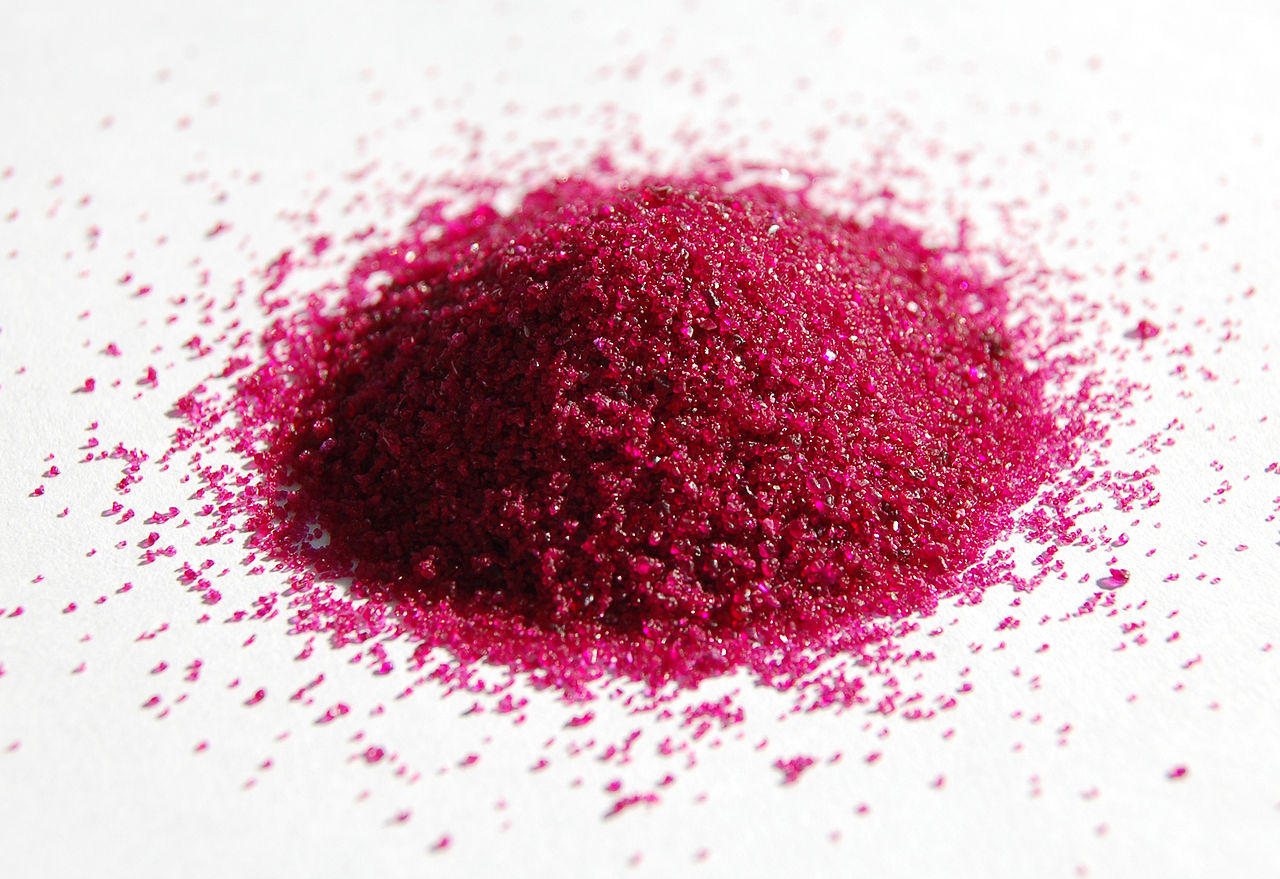
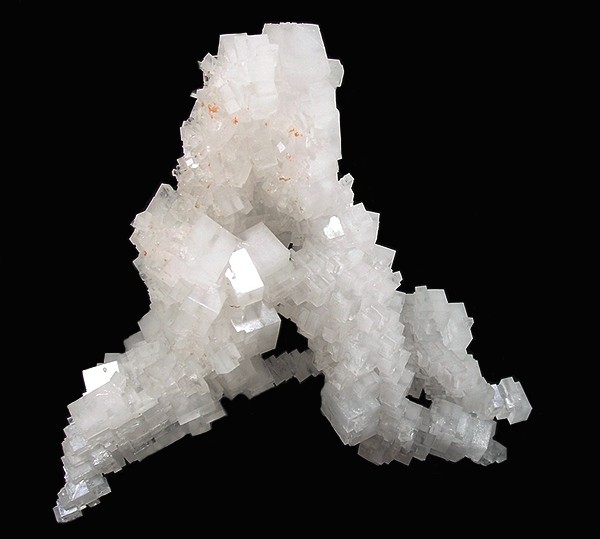
In chemistry, a salt is an ionic compound made of positively charged ions (cations) and negatively charged ions (anions) held together by electrostatic attraction. Salts form when acids react with bases, when metals react with nonmetals, or through other ionic reactions. The best known example is sodium chloride (table salt), commonly written NaCl. For a concise chemical definition see chemical definition, and for a basic introduction to ionic compounds consult ions and charges.
Image gallery
10 Images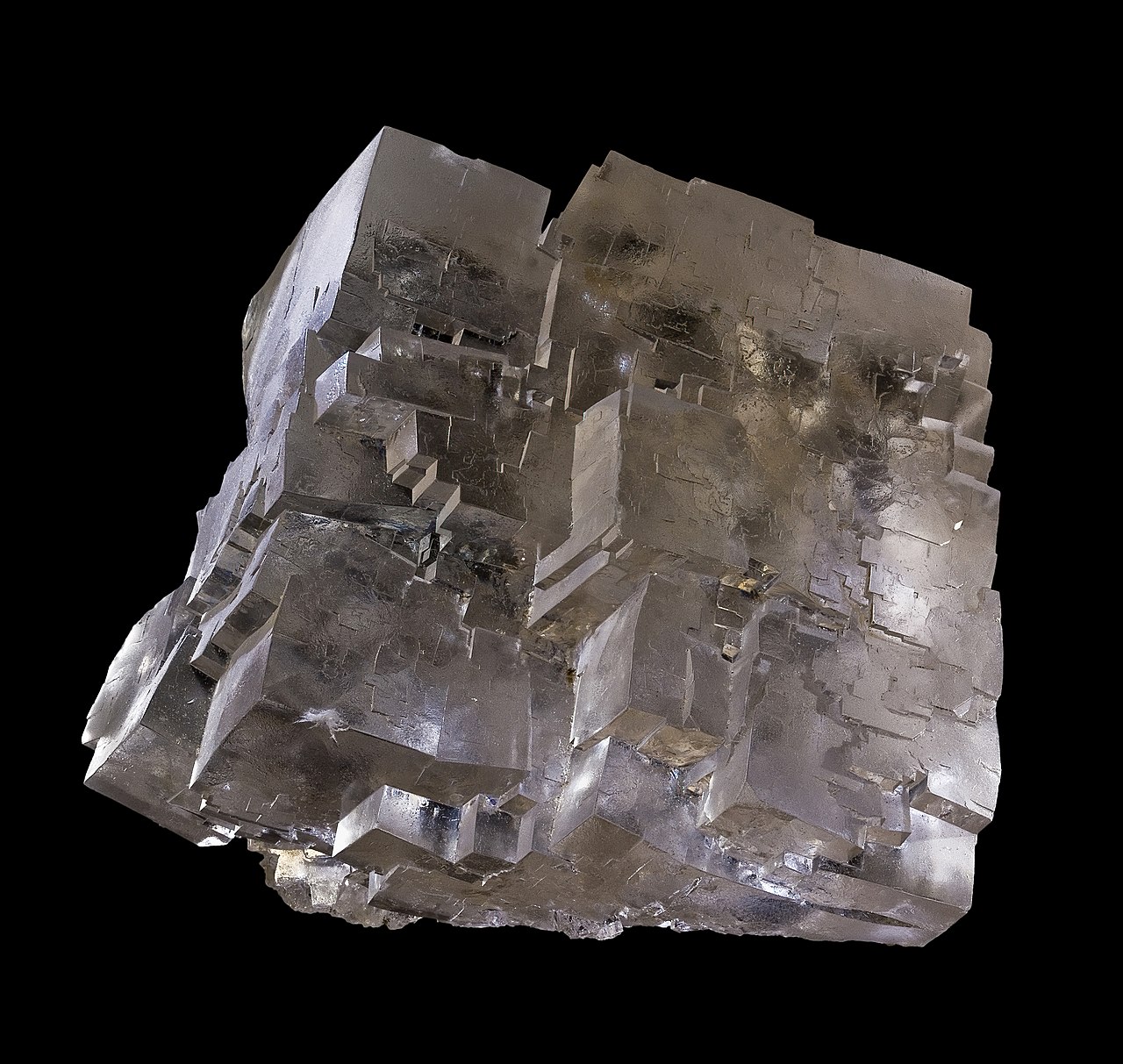


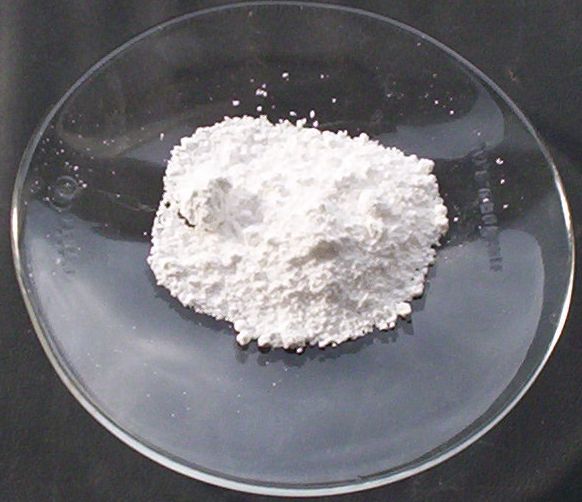

Structure and characteristics
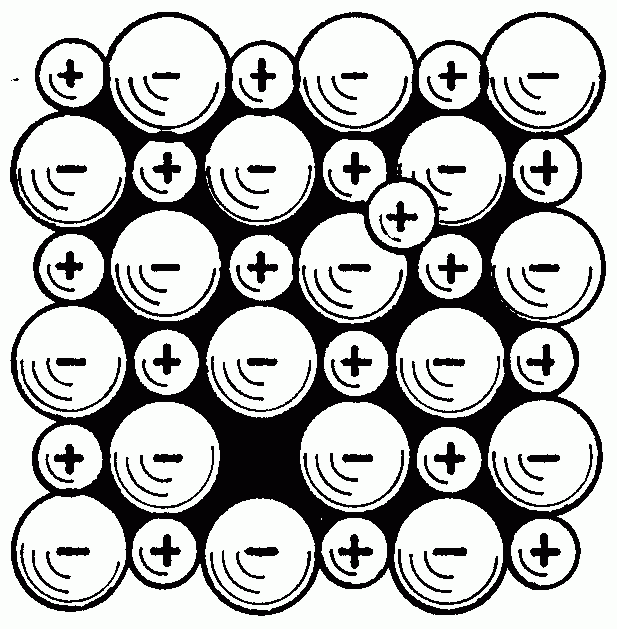
Salts typically crystallize in lattice structures where each ion is surrounded by ions of opposite charge; this arrangement maximizes attraction and minimizes repulsion. Physical properties of salts frequently include high melting and boiling points, brittleness in solid form, and electrical conductivity when molten or dissolved in water. The ionic nature and lattice energy determine solubility and stability. For a deeper look at ionic lattices see lattice theory.
Formation and chemical behavior
A common route to form a salt is the neutralization of an acid with a base. For example, hydrochloric acid reacting with sodium hydroxide produces sodium chloride and water, releasing heat. Salts that dissolve in water produce electrolytes—aqueous solutions that conduct electricity because they contain mobile ions. See general notes on electrolytes at electrolyte behavior and on conductivity at electrical conduction in solutions.
Types and examples
- Simple binary salts: sodium chloride (NaCl), magnesium oxide (MgO).
- Polyatomic anion salts: calcium carbonate (CaCO3), ammonium sulfate ((NH4)2SO4).
- Complex and coordination salts: compounds in which metal cations bind to polyatomic ligands.
Some salts are soluble in water, others are only sparingly soluble; solubility trends follow charge and ionic radius. Practical guides and tables of common salts and solubilities are available at solubility tables and common salts.
Uses and practical importance
Salts have widespread roles: as nutrients (table salt supplies sodium and chloride), in industrial chemistry (feedstocks, catalysts, dehydrating agents), in water treatment, and in de-icing roads. The ability of certain salts to lower the freezing point of water—called freezing point depression—is the basis for using salts in winter road maintenance; more on that physical effect at freezing point depression. In biological contexts, dissolved salts (electrolytes) are essential for nerve conduction and fluid balance; see biological electrolytes.
History, nomenclature and distinctions
The study of salts stretches back to antiquity because many naturally occurring salts were harvested for food and preservation. Modern chemical nomenclature classifies salts by the identities of their cations and anions and by whether they are acidic, basic, or neutral. A practical distinction: when a compound contains a cation other than hydrogen and an anion other than hydroxide, it is generally classified as a salt—see nomenclature resources at naming salts and historical perspectives at history of salts.
Notable fact: molten salts and concentrated ionic liquids are being investigated as high-temperature heat-transfer media and as electrolytes in advanced batteries, illustrating the continuing technological relevance of simple ionic materials.
Questions and answers
Q: What is a salt?
A: A salt is any neutral chemical compound made of cations (positive ions) attached to anions (negative ions).
Q: What is the main kind of salt?
A: The main kind of salt is sodium chloride with the chemical formula NaCl.
Q: How is sodium chloride formed?
A: Sodium chloride is formed when hydrochloric acid is added in sodium hydroxide. The reaction for this process is HCl+NaOH2 gives NaCl+H20+heat.
Q: What are mixtures of salts in water called?
A: Mixtures of salts in water are called electrolytes.
Q: Can electricity pass through electrolytes?
A: Yes, electricity can pass through electrolytes, as well as molten salts.
Q: How do salts lower the temperature needed for liquid to freeze?
A: Salts can melt ice because they lower the temperature needed for liquid to freeze. Because of this, streets are sometimes treated with salt in winter if the temperature is only a little below freezing.
Q: How else can a salt be explained?
A: A salt can also be explained as an ionic compound which dissociates, forming a positive ion other than hydrogen ion and a negative ion other than hydroxyl ion.
Related articles
Author
AlegsaOnline.com Salt (chemistry): structure, properties, and uses Leandro Alegsa
URL: https://en.alegsaonline.com/art/86554
Sources
- sciencebase.com : "Salt Lowers Freezing Point of Water – David Bradley" · web.archive.org