
Calorie (unit of energy)
The calorie is a pre-SI unit of energy used in heat and nutrition. This article explains its definitions, history, conversions, biological role, measurement, and common distinctions.
Overview
The calorie is a historical unit of energy most often encountered in contexts of heat transfer and human nutrition. Although the International System of Units (SI) uses the joule as the standard unit, the calorie remains in widespread use in some fields and everyday language, particularly when discussing food energy.
Image gallery
1 Image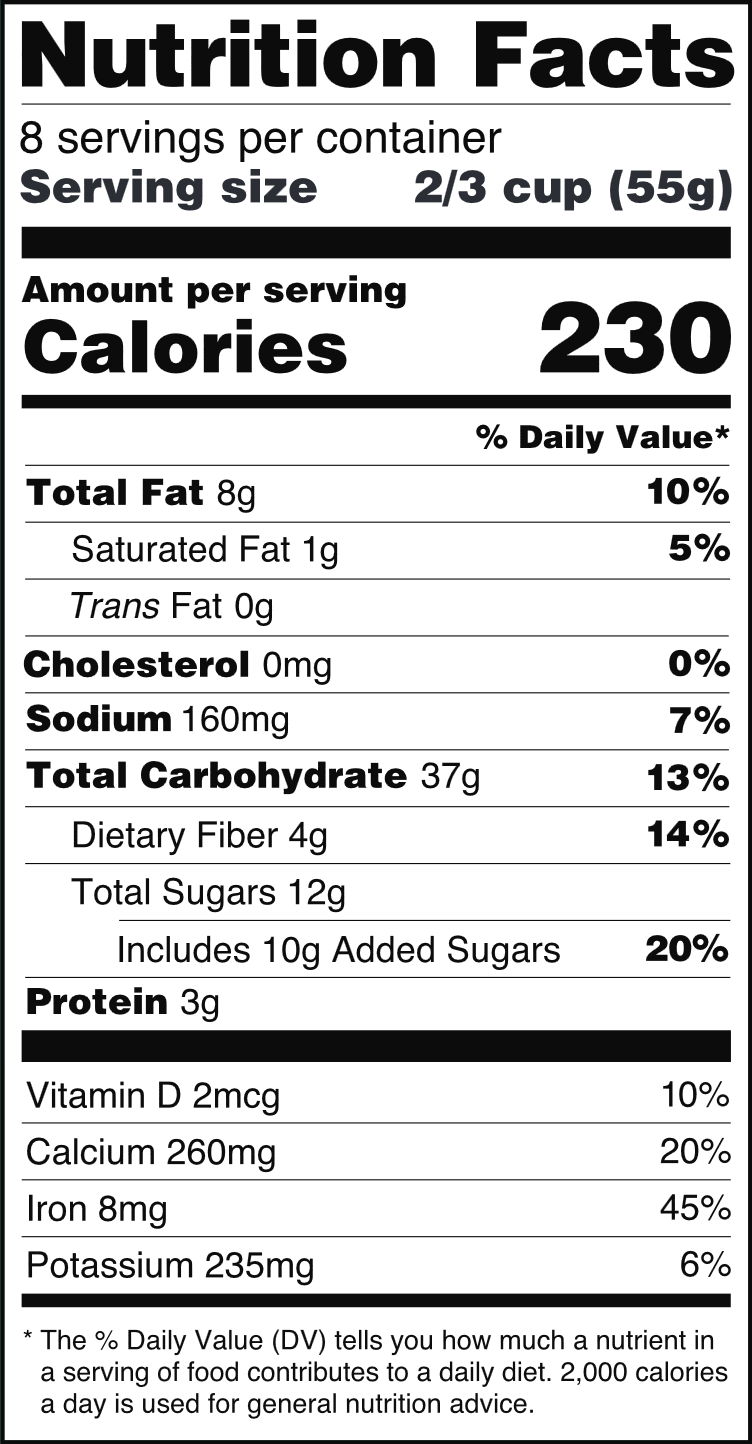
Definition and units
By classical definition, one small calorie (symbol: cal) is the amount of heat required to raise the temperature of one gram of water by one degree Kelvin (equivalently, one degree Celsius) at a specified reference temperature. In nutrition and food labelling the term "Calorie" with a capital C denotes the kilocalorie (1 kcal = 1000 cal). For conversion to SI units, 1 cal is defined as approximately 4.184 joules.
Origins and history
The calorie emerged in the 19th century as scientists studied heat and thermodynamics. Early measurements used slightly different conventions depending on the temperature range, leading to several historical variants (for example, the thermochemical calorie). Over time, the joule replaced the calorie in scientific literature, but cultural and practical inertia kept the calorie in nutrition and some engineering applications.
Biological role and nutrition
In nutritional contexts, calories quantify the chemical energy that can be released from food and made available to the body. Common average energy values are about 4 kcal per gram for carbohydrates and protein, about 9 kcal per gram for fats, and about 7 kcal per gram for ethanol. Actual usable energy depends on digestion, absorption and metabolic pathways, so values are approximate. Calories are often discussed in relation to energy balance: intake versus expenditure, with excess energy stored as body fat and deficits leading to weight loss.
Measurement and practical use
Laboratory measurement of food energy commonly uses calorimetry. A bomb calorimeter burns a food sample in oxygen and measures the heat released to determine its gross energy content; physiological energy availability is then estimated. In heating applications, the calorie can describe heat quantities and specific heat capacities; see references to heat concepts and temperature change at heat and temperature.
Notable distinctions and facts
- Small calorie vs kilocalorie: "calorie" (cal) usually means the small calorie in physics, while nutrition uses the kilocalorie (kcal), commonly called Calorie (capital C).
- SI preference: The joule is the SI unit; 1 cal ≈ 4.184 J and 1 kcal ≈ 4184 J.
- Labeling conventions: Food labels often report energy in kilocalories and kilojoules; check regional labeling rules for which is primary.
- Physiological nuance: Energy yields of macronutrients are averages; processing, fibre content and individual metabolism influence actual usable calories.
For further introductory material and technical context see additional resources: unit definitions, temperature standards, and general discussions of energy and heat. More applied nutrition information and measurement techniques are available at specialist sources.
Related articles
Author
AlegsaOnline.com Calorie (unit of energy) Leandro Alegsa
URL: https://en.alegsaonline.com/art/16190