
Fried chicken: preparation, history, and cultural context
Fried chicken is chicken coated in batter or seasoned flour and cooked in hot fat. This article covers techniques, regional varieties, history, cultural significance, safety, and common preparations.
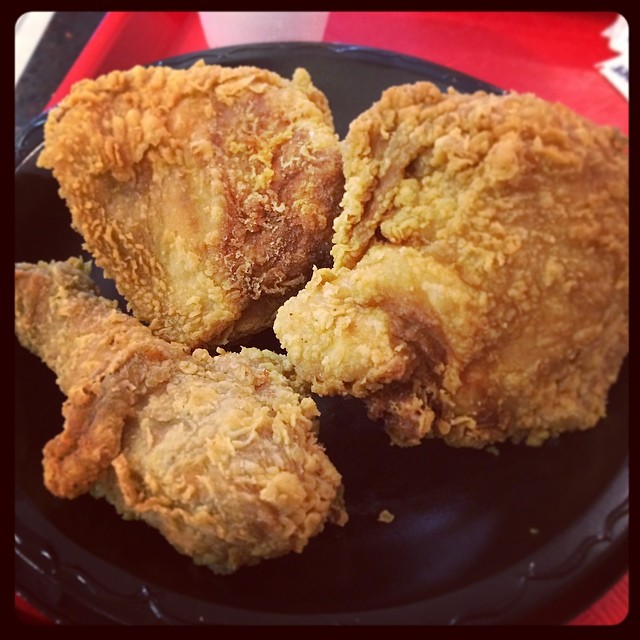
Fried chicken refers to pieces of chicken that are cooked by frying in hot fat after a coating of batter, seasoned flour, or a combination of coatings. The goal is a crisp, golden exterior and a moist interior. Pieces may be left bone-in with skin attached or prepared boneless; common steps include seasoning or marinating, dredging or battering, and frying by pan-frying, deep-frying or pressure-frying. Preparations vary widely by culture, available ingredients and equipment.
Image gallery
6 Images


Characteristics and common preparations
The characteristic crust is produced either by a wet batter that puffs in hot fat or by a dry dredge and breading that crisps to a textured shell. Typical seasonings include salt, pepper and a range of herbs and spices; some cooks add sugar, paprika, garlic powder or cayenne for color and flavor. Brining or marinating—commonly in salt solutions, buttermilk, or other acidic or enzymatic liquids—helps tenderize meat and impart flavor. Double-dredging or double-frying are techniques used to increase crispness and durability of the crust.
Ingredients and seasoning approaches
Basic ingredients are chicken, fat (oil or lard), flour or starch and seasonings. Buttermilk, yogurt or acidic marinades are used to break down proteins and retain moisture. Coatings can range from plain flour to seasoned mixtures with cornstarch, breadcrumbs, or crackers. Some regional recipes incorporate spice blends or wet pastes applied after frying. Commercial operations may use proprietary mixes and emulsifiers to produce consistent results.
Methods of cooking
Pan-frying uses a shallow layer of oil and is suitable for small batches or thicker cuts; deep-frying immerses pieces for rapid, even browning; pressure-frying cooks faster and can help retain juiciness. Oven-frying or air-frying use circulating hot air with a thin coating of oil to reduce fat content while attempting to preserve texture. Controlling oil temperature and avoiding overcrowding are key to even cooking and minimizing oil absorption.
Regional varieties and notable styles
Fried chicken appears in many cuisines. In the United States, Southern fried chicken typically involves a seasoned flour dredge and is a culinary staple; Nashville hot chicken is finished with a spicy oil or paste. Korean fried chicken is often double-fried and glazed with sweet-spicy sauces to keep the crust crisp. Japanese karaage uses bite-sized pieces marinated and lightly coated in starch for a delicate crust. Caribbean and West African variants incorporate local spices, peppers and marinades, reflecting regional flavor profiles.
Origins and historical development
Frying meat in fat is an ancient technique found in several culinary traditions. Historical accounts point to fried foods in medieval Europe and in West Africa, where seasoning practices influenced transatlantic foodways. Scottish cooks in Europe had frying methods that may have contributed to early European-style fried chicken, while enslaved and free Africans in the Americas adapted and combined techniques and spices, shaping what became Southern fried chicken. The term "fried chicken" appears in English-language sources from the early nineteenth century, and the dish evolved with the availability of ingredients and cooking equipment.
Cultural significance and controversies
Fried chicken is important in family meals, communal gatherings and commercial food service. It has also become associated with fast-food culture through global restaurant chains. At the same time, the dish has been entangled in negative racial stereotypes in some societies; such associations have caused public controversies and prompted discussions about cultural representation and respect. These debates illustrate how food can carry symbolic meanings beyond nutrition and taste.
Safety, nutrition and practical tips
Food safety requires cooking poultry thoroughly and handling raw chicken to avoid cross-contamination. Maintaining proper frying temperatures and using a thermometer for oil can improve results and reduce oil uptake. Fried chicken is calorie- and fat-dense compared with many other preparations; choices of oil, portion control and occasional consumption are considerations for dietary balance. Leftover fried chicken can be refrigerated and reheated carefully to preserve texture.
Further reading and resources
- Definition and basic techniques
- Battering and coating methods
- Butchery and cutting at the joints
- Bone-in versus boneless considerations
- Commercial chains and fast-food context
- Examples of large restaurant brands
- Stereotypes and social issues
- Cultural associations and history
- European frying traditions
- Broader European culinary context
- West African seasoning influences
- Earlier fried foods such as fritters
- Medieval frying and its development
- Marination techniques
- Use of brines and pickle juice
Questions and answers
Q: What is fried chicken?
A: Fried chicken is pieces of chicken that have been battered or floured and then pan fried, pressure fried or deep fried, with the bones and skin being left.
Q: What does the breading add to the chicken?
A: The breading adds a crisper crust to the exterior of the chicken.
Q: What fast food restaurant chains serve fried chicken?
A: Some fast food restaurant chains that serve fried chicken are Kentucky Fried Chicken, Popeyes and Chick-fil-A.
Q: Who is stereotypically associated with fried chicken?
A: Fried chicken is stereotypically associated with black people, although anybody can eat it.
Q: What has caused controversies about fried chicken and black people?
A: There have been a number of public controversies about remarks that people have made about fried chicken and black people that have been considered racist.
Q: Who were the first European people to fry chicken?
A: Scottish people were the first European people who were frying chicken, although it was not seasoned or battered.
Q: What was the first dish that was deep fried?
A: The first dish that was deep fried was fritters, which were popular during the Middle Ages.
Related articles
Author
AlegsaOnline.com Fried chicken: preparation, history, and cultural context Leandro Alegsa
URL: https://en.alegsaonline.com/art/36710
Sources
- books.google.com : "Deep-Frying"
- news.nationalgeographic.com : The Surprising Way that Chickens Changed the World