
Mineral: naturally occurring inorganic solids and their study
A mineral is a naturally formed, inorganic solid with a definite crystalline structure. This article explains their defining properties, classification, formation processes, common examples, uses, and the science of mineralogy.
Overview: A mineral is a naturally occurring, inorganic substance with a characteristic atomic arrangement that forms within the Earth and, in some cases, on other planetary bodies. Minerals are the fundamental components of rocks and occur across a wide range of environments from deep magmas to surface sediments.
Image gallery
10 Images
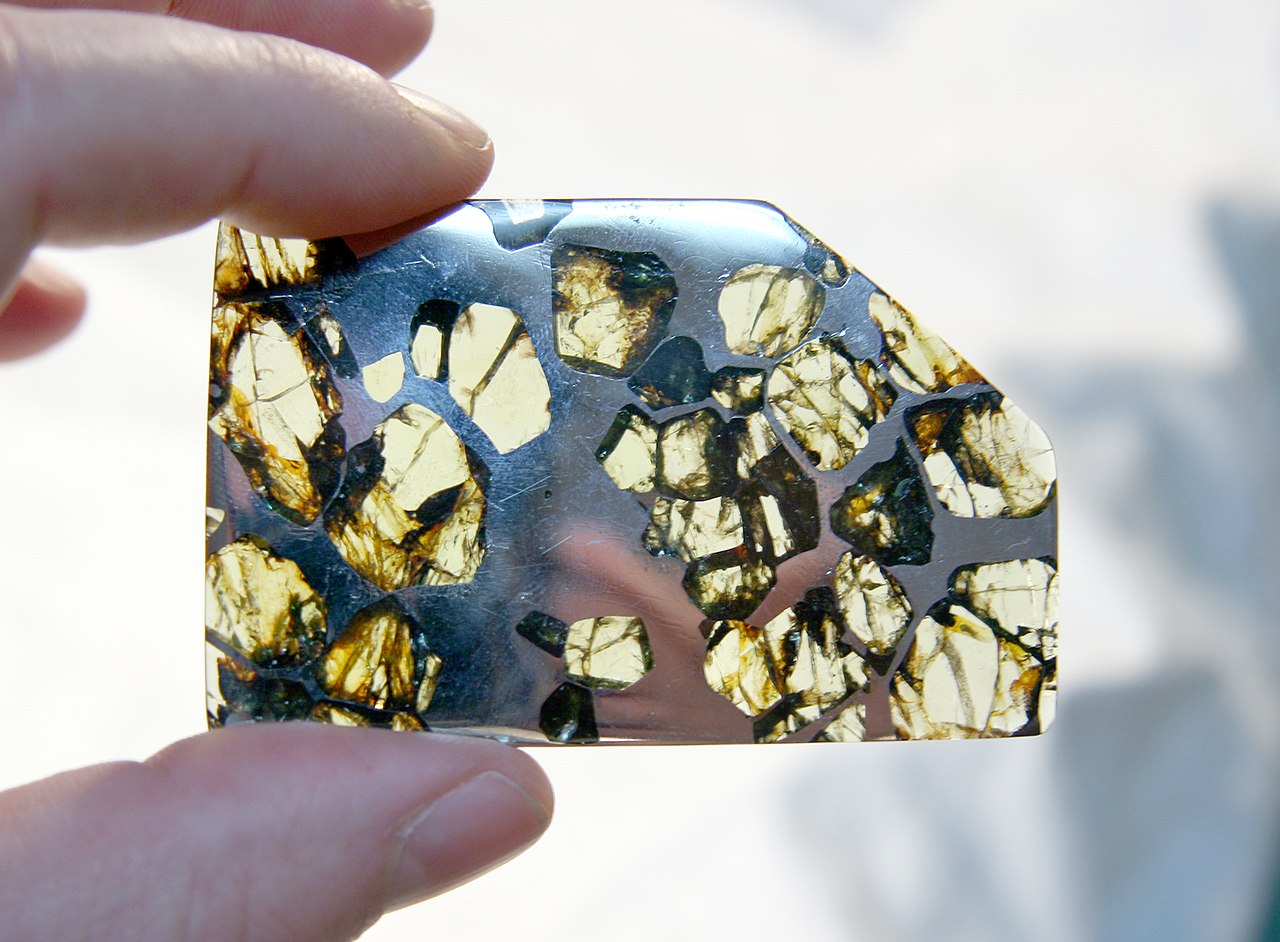
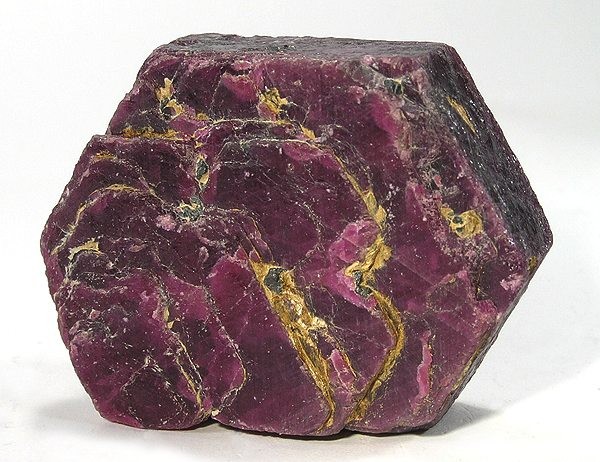
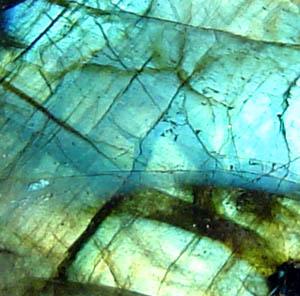




Defining characteristics
Most minerals are solid at normal environmental conditions and have an ordered internal arrangement of atoms — a crystal structure — that gives rise to consistent physical properties. Chemically, a mineral may be a single chemical element such as native gold or, more commonly, a compound of two or more elements in a specific ratio. Common physical traits used for identification include hardness, luster, color, streak, cleavage, fracture, and specific gravity.
Crystal systems and structure
Crystals are classified into several crystal systems based on their symmetry and lattice parameters; commonly used categories include cubic, tetragonal, orthorhombic, hexagonal (including trigonal), monoclinic, and triclinic. The internal arrangement determines many macroscopic properties and helps distinguish closely related mineral species.
Formation processes
Minerals form by a variety of geological and biological processes: crystallization from cooling magma, precipitation from aqueous solutions, alteration during metamorphism, deposition from hydrothermal fluids, and by biological activity (biomineralization). The temperature, pressure, fluid composition, and available elements control which minerals will form in a given environment.
Classification
Mineral classification groups species by chemistry and crystal structure. Major classes include silicates, oxides, sulfides, carbonates, sulfates, halides, phosphates and the native elements. Silicate minerals make up the majority of Earth’s crust, while other groups are important as ores and industrial minerals.
Identification and study
The scientific study of minerals is called the study of minerals or mineralogy. Mineralogists use field observation together with laboratory techniques such as optical microscopy, X-ray diffraction, electron microscopy, and chemical analysis to determine composition and structure. These methods allow researchers to define species, document variations, and name newly discovered minerals.
Uses and economic importance
Minerals supply raw materials for construction, manufacturing, electronics, agriculture, and jewelry. For example, quartz is used in glassmaking and electronics, while feldspar is important in ceramics and glass. Metallic minerals provide ores for iron, copper, aluminum and other metals, and some nonmetallic minerals are critical for industrial chemicals and fertilizers.
Notable considerations
Scientists have described thousands of naturally occurring mineral species, and new varieties continue to be recognized as analytical techniques improve. Distinctions are made between naturally occurring minerals and synthetic materials with similar composition. Mining and resource use raise environmental and social issues; sustainable management and recycling are important topics in economic geology and policy.
Summary: Minerals are naturally formed, generally inorganic solids with specific chemical compositions and crystal structures. They are essential to understanding Earth processes, providing resources, and supporting many technologies and industries.
Questions and answers
Q: What are minerals?
A: Minerals are substances that are formed naturally in the Earth.
Q: What are rocks made of?
A: Rocks are made of minerals.
Q: What are the characteristics of minerals?
A: Minerals are usually solid, inorganic, have a crystal structure, and form naturally by geological processes.
Q: What is the study of minerals called?
A: The study of minerals is called mineralogy.
Q: What can a mineral be composed of?
A: A mineral can be composed of a single chemical element or, more usually, a compound.
Q: How many types of minerals are known?
A: There are over 4,000 types of known minerals.
Q: What are two common minerals?
A: Two common minerals are quartz and feldspar.
Related articles
Author
AlegsaOnline.com Mineral: naturally occurring inorganic solids and their study Leandro Alegsa
URL: https://en.alegsaonline.com/art/65176
Sources
- gly.uga.edu : gly.uga.edu/railsback/Fundamentals/SFMGMineralDefinition09-II.pdf
- gly.uga.edu : gly.uga.edu/railsback/Fundamentals/SFMGMineralDefinition09-III.pdf
- pubsites.uws.edu.au : IMA/CNMNC List of Mineral Names
- minsocam.org : Minsocam