
Kheer: Indian Milk Pudding and Its Variations
Kheer is a South Asian milk-based sweet pudding made with rice or vermicelli, flavored with sugar, cardamom, nuts and saffron. It appears across festivals, religious offerings and everyday cuisine.
Kheer is a creamy, milk-based sweet pudding widely prepared across the Indian subcontinent. The dish is most often made by simmering milk with a starch—commonly rice or thin vermicelli (also called semiya)—and sweetening it with sugar. Many regional names and forms exist: in Hindi it is called kheer, while similar desserts go by names such as payasam or phirni in other languages and regions. Vermicelli-based versions are sometimes called seviyan or semiya kheer; the noodle ingredient is frequently referenced as vermicelli.
Image gallery
8 Images


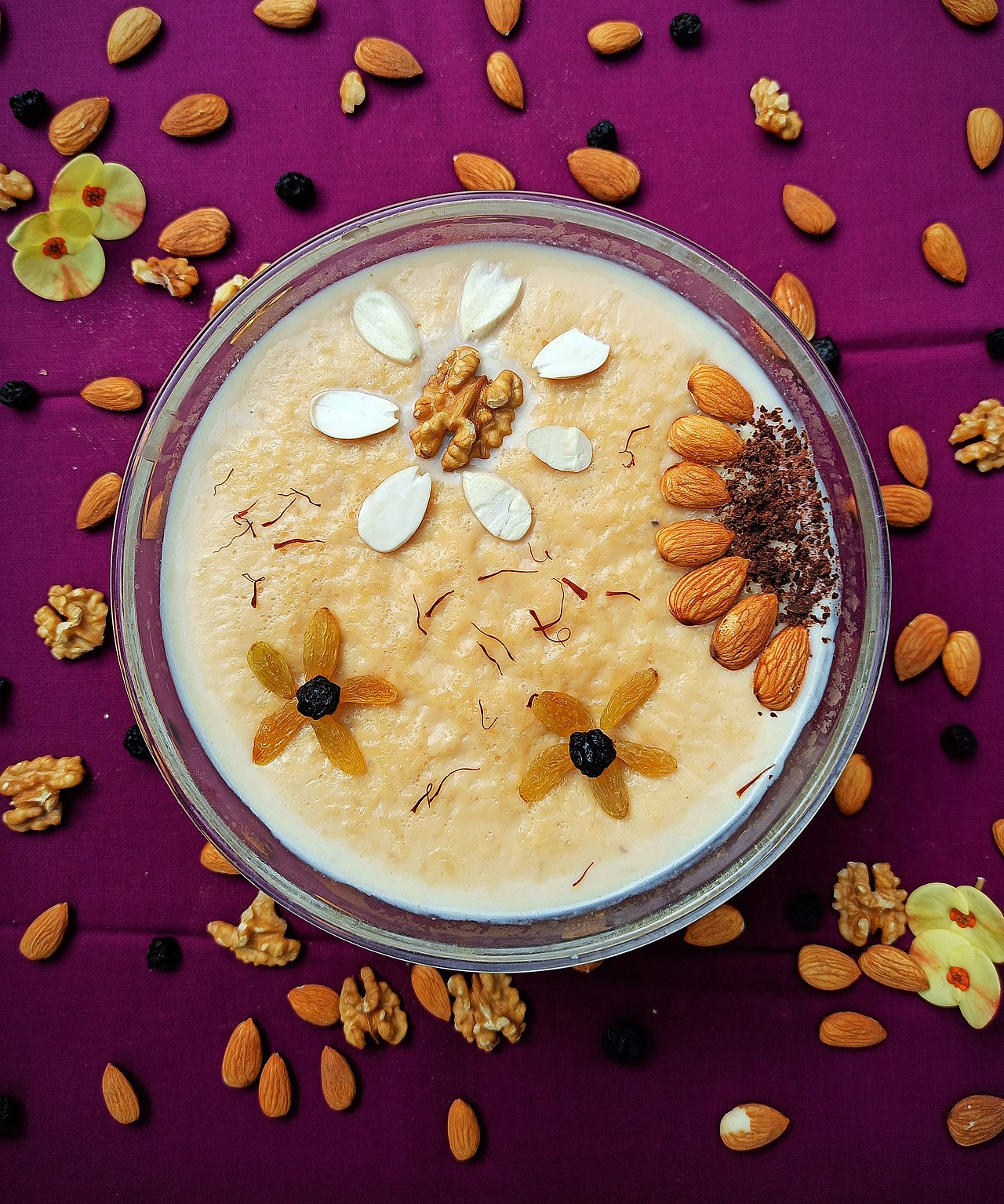
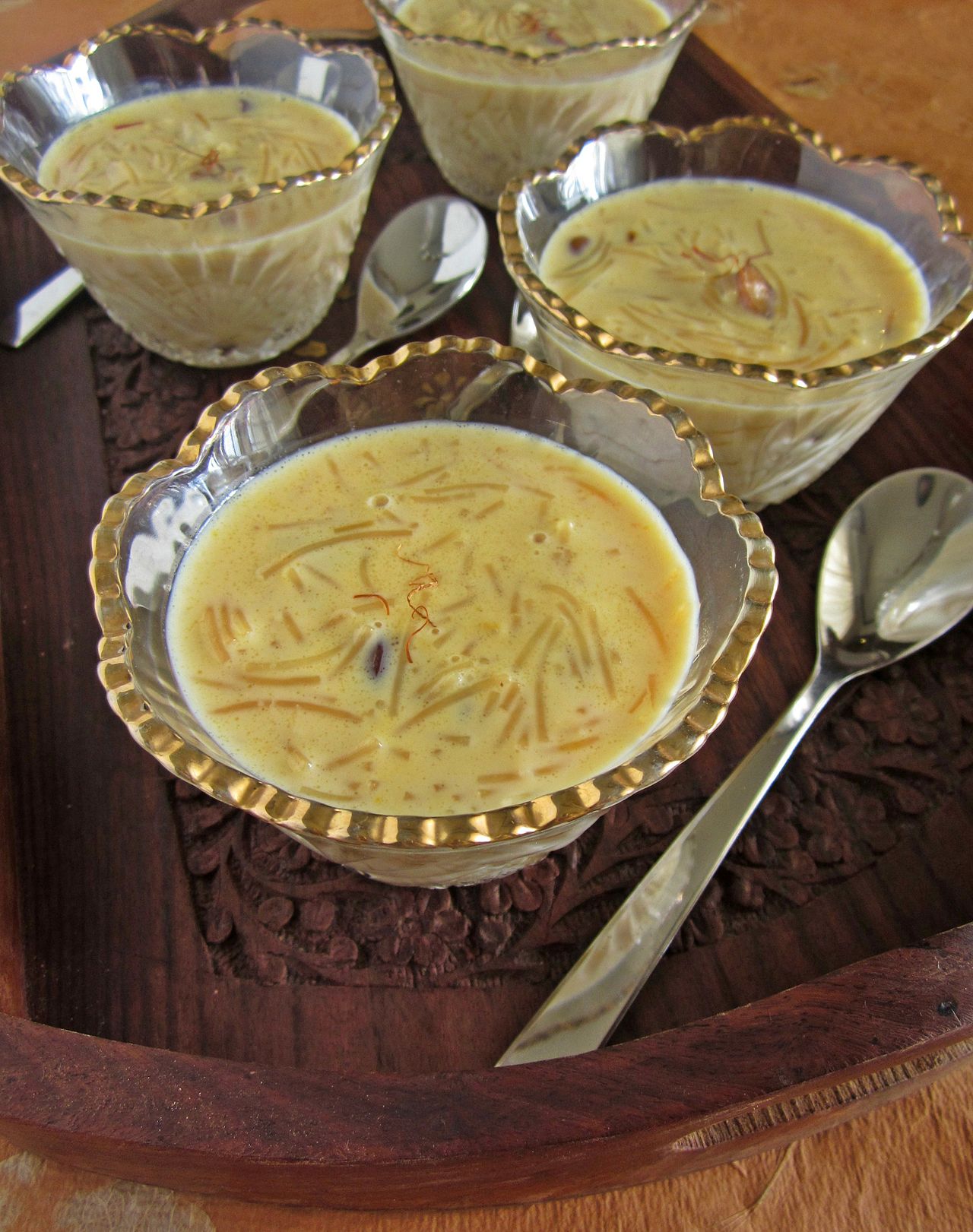


Ingredients and common characteristics
Basic kheer requires milk, a primary starchy component (rice, broken wheat, or vermicelli), and a sweetener. Typical flavorings include cardamom, saffron and rose water. Nuts such as almonds and pistachios and dried fruits are added for texture and richness. The final consistency ranges from soupy to thick custard-like, depending on cooking time and milk reduction.
Preparation and variations
Preparation begins by gently boiling milk and adding the chosen grain or pasta, cooking until the mixture thickens. Variants substitute condensed milk, khoya (reduced milk solids), coconut milk, or jaggery for different textures and tastes. Regional specialties may use lentils, tapioca pearls, or fruits. Kheer can be served warm, at room temperature, or chilled.
History and cultural role
Kheer has ancient roots in South Asian culinary traditions and is closely associated with religious festivals, temple offerings and celebratory meals such as weddings and communal feasts. Because it is made from milk and sugar, it is commonly offered as prasadam in many Hindu rituals and shared at festive occasions.
Related dishes and distinctions
- Phirni: usually ground rice and set to a thicker, cooler pudding.
- Payasam: a South Indian term for similar milk-based sweets, often with coconut or jaggery.
- Rice pudding: a global cousin, differing in spiceings and milk reduction technique.
Kheer’s appeal lies in its simplicity and versatility: small adjustments in grain, sweetener, or garnish yield distinct regional specialties while preserving the familiar, comforting character of this traditional South Asian dessert.
Related articles
Author
AlegsaOnline.com Kheer: Indian Milk Pudding and Its Variations Leandro Alegsa
URL: https://en.alegsaonline.com/art/53223