
Fibre: types, properties, and common uses
A fibre is a long, thin, flexible strand of material. This article explains natural and synthetic fibres, their properties, historical development, main applications in textiles, industry and biology, and important distinctions.
A fibre (or fiber) is an elongated, flexible piece of material whose length greatly exceeds its width. Fibres form the basic building blocks of textiles, ropes and many composite materials, and they play key structural roles in living organisms. In everyday language the word covers diverse materials—from plant hairs and animal filaments to man-made polymer strands and mineral threads.
Image gallery
4 Images
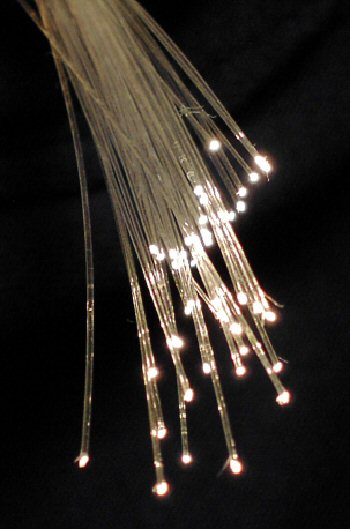


Types and characteristics
Fibres are commonly grouped as natural or synthetic. Natural fibres come from plants (for example, cotton and flax), animals (such as silk and wool) and minerals (for example, asbestos historically, and glass fibre). Synthetic fibres are produced by chemical processes and include polymer-based materials like nylon and polyester; these are often labelled collectively as artificial fibres.
Important properties that distinguish fibres include tensile strength, flexibility, fineness (diameter), length (staple vs filament), moisture absorbency, thermal behaviour and resistance to chemicals or biological decay. In biology, fibrous proteins such as collagen and structural carbohydrates like cellulose give tissues mechanical support (plants and animals respectively).
History and development
Human use of fibres stretches back to ancient crafts: plant and animal fibres were spun and woven into cloth long before recorded history. During the 19th and 20th centuries, industrial chemistry enabled the creation of new synthetic fibres; these expanded the range of properties and lowered costs for many applications.
Uses and examples
- Textiles: yarns and fabrics produced by spinning and weaving into garments and household textiles.
- Cords and fastenings: thread, thread and string, and larger lines such as rope.
- Structural materials: reinforcing fibres incorporated into composite materials (for example, glass or carbon fibre) for higher strength-to-weight ratios.
- Specialty uses: medical sutures, filtration media, insulation and technical textiles with water-repellent or flame-retardant finishes.
Understanding fibre selection involves balancing performance, cost and environmental factors. Natural fibres are often biodegradable and breathable, while synthetics can offer greater durability and uniformity. Both categories continue to evolve as new manufacturing methods and recycled feedstocks expand options for design and sustainability.
Related articles
Author
AlegsaOnline.com Fibre: types, properties, and common uses Leandro Alegsa
URL: https://en.alegsaonline.com/art/34172