
Kebab: grilled meat dishes and regional varieties
Kebab refers to a wide family of grilled or roasted meat dishes originating in the Middle East and widely adapted across Europe and South Asia, with many regional names, ingredients and cooking methods.
Overview
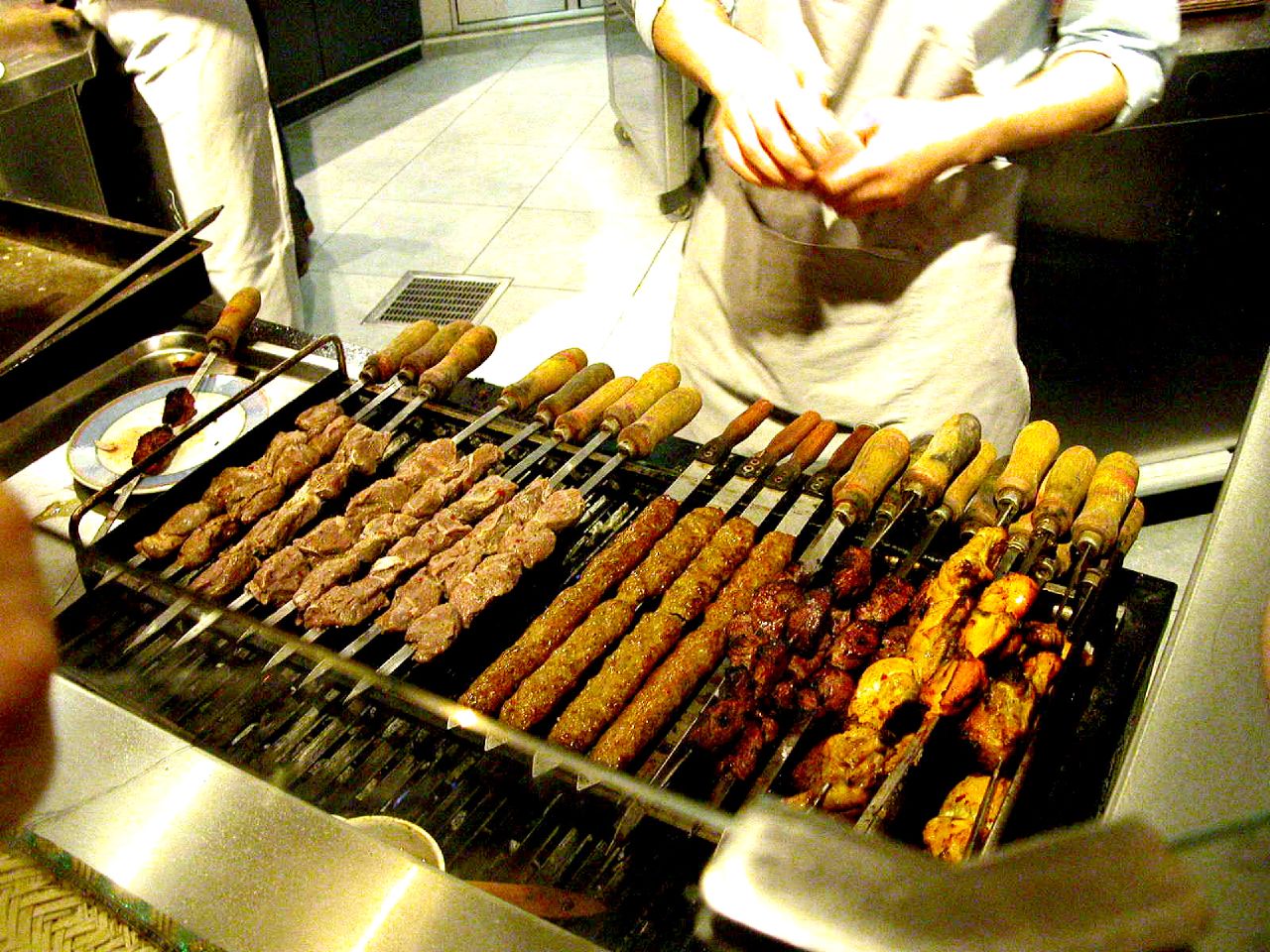
Kebab is a broad culinary term for preparations of meat that are grilled, roasted, or broiled, originally from Persian and neighbouring cuisines. The word comes from Persian but has been adopted into many languages and culinary traditions. In modern usage, "kebab" can mean anything from skewered cubes of marinated meat to thinly sliced, vertically stacked roast served in flatbread. Regional labels and cooking methods produce a large variety of dishes that share a common theme: seasoned meat cooked by direct heat.
Image gallery
10 Images




Key ingredients and preparation methods
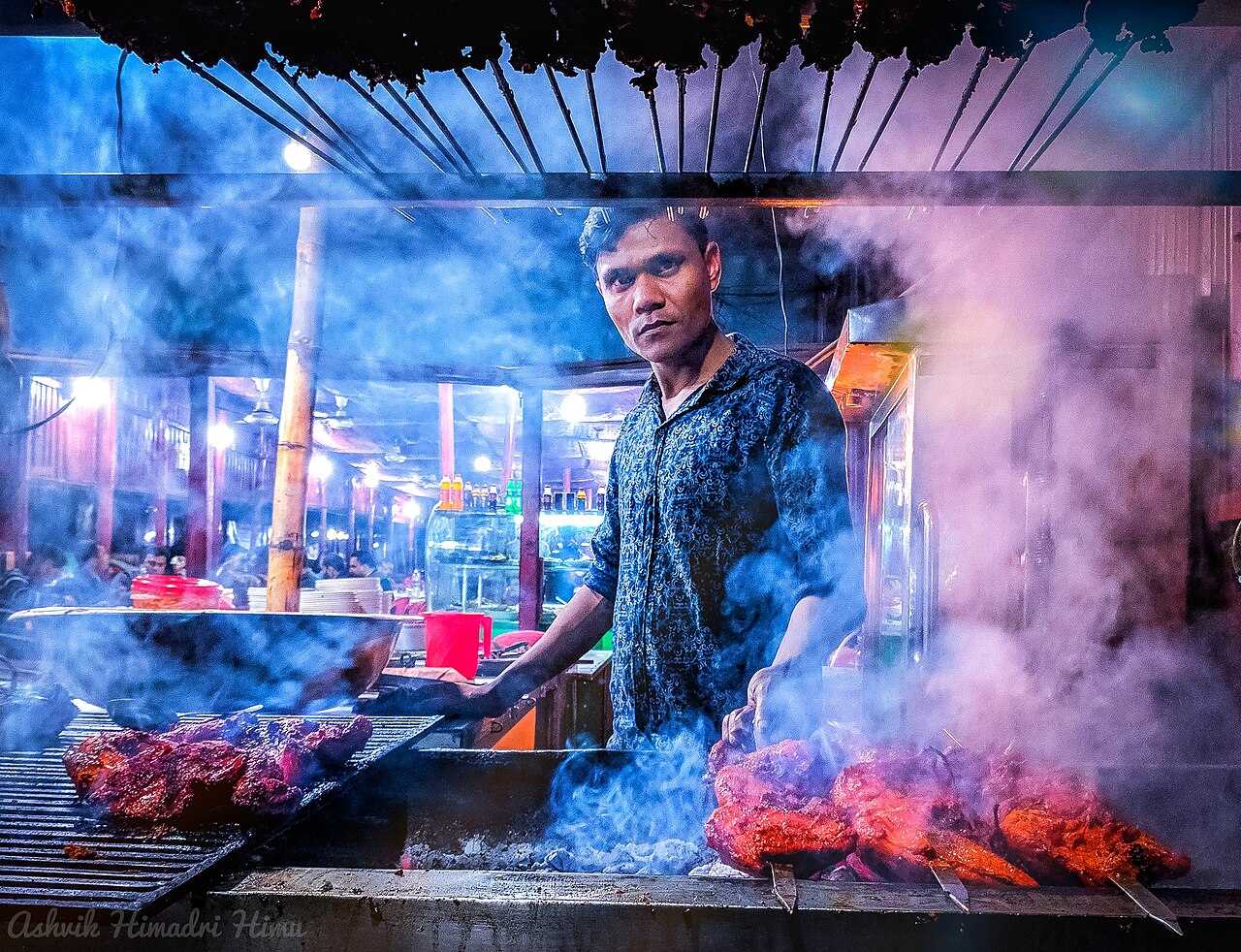
Traditional kebabs are commonly made from red meats such as lamb or beef, but other proteins are used as well. Typical choices include lamb and beef, while poultry such as chicken and some fish varieties appear in specific coastal or modern adaptations. In some communities pork is used by non‑Muslim cooks and sellers; pork is avoided in Muslim dietary practice for religious reasons (pork, religious reasons). Meat may be cut into cubes, ground and formed into patties or logs, or stacked on a vertical spit. Marinades, spice blends and cooking equipment — charcoal grills, skewers, ovens or vertical rotisseries — give kebabs their characteristic flavors and textures.
Regional varieties and names
The name and style vary by language and country. In Turkish-speaking regions the term appears as kebap, while in Iran it is commonly called kabab. Surrounding countries have their own forms and names, such as versions found in Afghanistan, India and Pakistan. The linguistic origin is Persian (Persian) and the concept is also present in Greek culinary history (Greek).
Common types and examples
- Skewered kebabs: cubes of marinated meat threaded on metal or wooden skewers and grilled over coals.
- Minced or formed kebabs: ground meat mixed with spices and herbs, shaped into patties or logs (common in South Asian kitchens).
- Rotisserie styles: thin slices stacked on a vertical spit and shaved to serve in bread, similar to what is called doner in many European cities.
- Regional specialties: a range of named dishes in South Asia and elsewhere, each with distinct spice mixes and textures.
History and cultural role
Kebabs have deep roots in the cuisines of the Middle East, Central Asia and the Indian subcontinent, where methods of skewering and grilling meat date back centuries. They have traveled with trade, migration and urban street food culture to become international staples. In many places kebabs are associated with informal dining, street vendors and seasonal grilling, and they have also been adapted into restaurant menus and fast‑food formats worldwide.
Distinctions and related dishes
Kebab is an umbrella term and should not be taken to indicate a single recipe. Related dishes may overlap in technique or presentation — for example, the vertical spit preparations that inspired the European doner and the Greek gyro have parallels in several cuisines. South Asian kitchens developed many kebab varieties distinguished by local spices, meat choices and methods; names and forms such as chapli, shami or seekh kebabs reflect that diversity. Understanding "kebab" therefore means recognizing a family of methods and regional adaptations rather than one fixed dish.
Related articles
Author
AlegsaOnline.com Kebab: grilled meat dishes and regional varieties Leandro Alegsa
URL: https://en.alegsaonline.com/art/52673