
Ketchup (tomato ketchup)
Ketchup is a thick tomato-based condiment made with vinegar, sweeteners and spices. Widely used to flavor fried and grilled foods, it has a distinct history, many regional variants and notable nutritional traits.
Ketchup is a thick, pourable condiment primarily made from tomatoes, vinegar and a blend of sweeteners and spices. It is commonly served alongside fried, grilled and fast foods to add a tangy, sweet-savory layer of flavor. Although often called "tomato sauce" in casual speech, ketchup is a specific prepared product with a characteristic balance of acidity, sugar and salt that distinguishes it from plain cooked tomato sauces.
Image gallery
9 Images


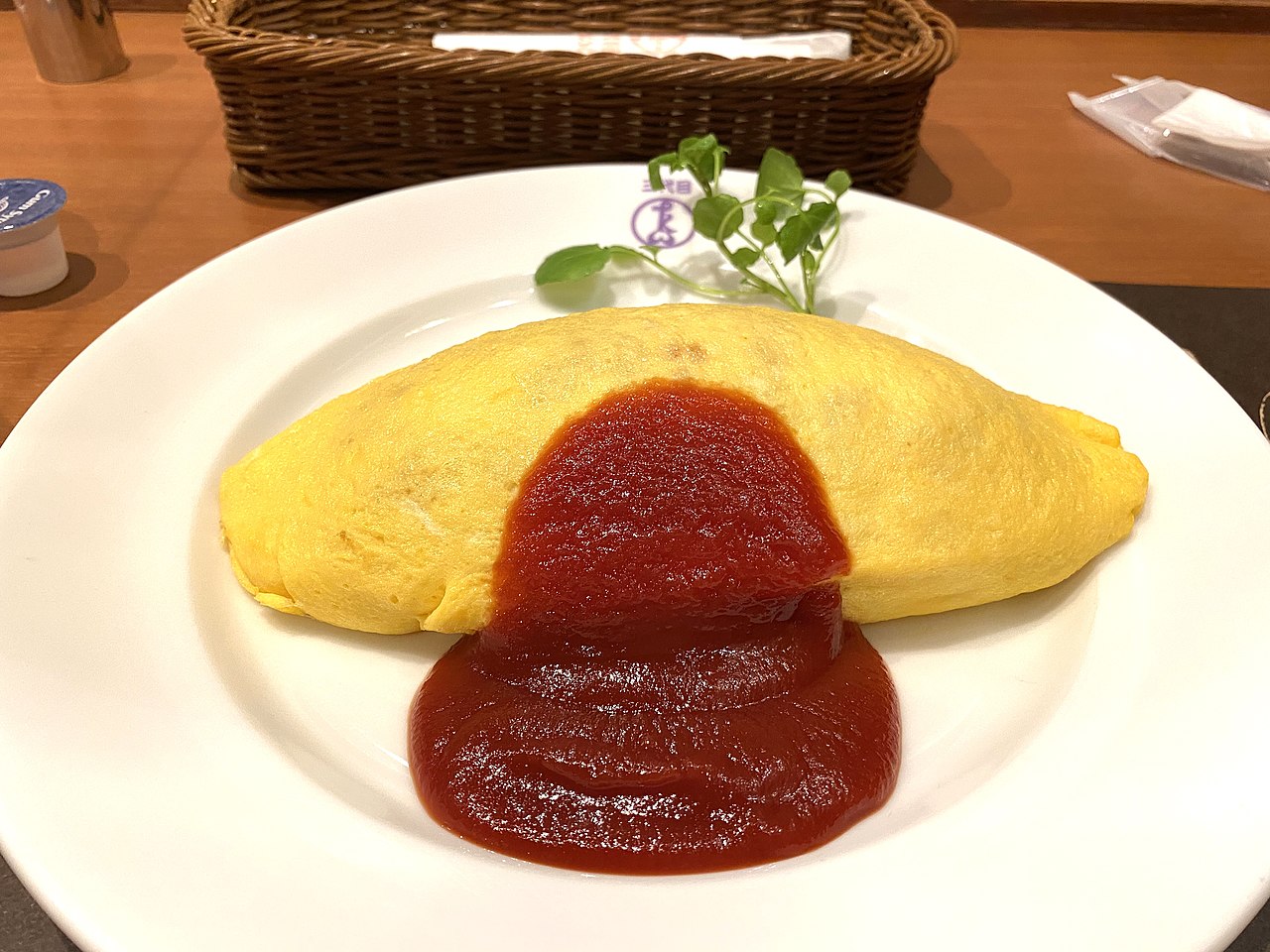

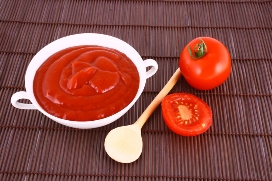
Typical ingredients and production
Commercial ketchup usually contains concentrated tomato, distilled vinegar, sugar or high-fructose sweetener, salt and seasonings such as onion, garlic, cloves, allspice and pepper. The mixture is cooked, reduced to a smooth consistency and then pasteurized to ensure shelf stability. Home recipes may substitute sweeteners, adjust spices or use fresh tomatoes for a less processed result. For more general information, see overview.
History and development
The name "ketchup" derives from a fermented fish sauce from Southeast Asia that entered European languages centuries ago and evolved in both ingredients and preparation. In Europe and North America, recipes shifted toward tomato-based versions during the 18th and 19th centuries. Over time manufacturers refined texture and flavor, and the bottled tomato ketchup we recognize today became a common pantry item.
Uses and serving ideas
Ketchup is used as a condiment, ingredient and dip. Common pairings include:
- Fried potato products such as french fries and chips.
- Sandwiches and burgers — often spread or added as a topping; see burger pairings.
- Sausages, hot dogs and other grilled meats; examples at serving suggestions.
- As a component in sauces, marinades and meatloaf glazes.
Many people also use ketchup to add a quick flavor boost to vegetables, eggs or fried foods; culinary uses are described in broader recipes at recipe resources.
Variants, distinctions and notable facts
Variants include reduced-sugar or salt formulations, spicy or flavored ketchups, and regional styles that emphasize different spice blends. Ketchup is distinct from plain tomato purée, passata or pasta sauce due to its added vinegar and sweetener and its intended role as a condiment. For information focused on the raw ingredient, see tomato details.
Nutritional and cultural notes
As a condiment, ketchup contributes flavor in small quantities but can add notable sugar and sodium to a meal. It is shelf-stable when unopened and refrigerates after opening to preserve freshness. Ketchup has become a cultural staple in many countries and remains one of the most recognizable and widely used table condiments worldwide.
Questions and answers
Q: What is ketchup?
A: Ketchup is a thick, liquid sauce made from tomatoes.
Q: Why is ketchup sometimes called tomato sauce?
A: Ketchup is sometimes called tomato sauce because it is made from tomatoes.
Q: What is the purpose of ketchup?
A: The purpose of ketchup is to add flavour to food.
Q: What are some foods that people like to eat with ketchup?
A: Some foods that people like to eat with ketchup are sausages, burgers, hotdogs, and fishsticks.
Q: Does ketchup taste like real tomato?
A: No, ketchup tastes very unlike the real tomato.
Q: What is the main ingredient in ketchup?
A: The main ingredient in ketchup is tomatoes.
Q: Is ketchup a liquid or solid?
A: Ketchup is a liquid sauce.
Related articles
Author
AlegsaOnline.com Ketchup (tomato ketchup) Leandro Alegsa
URL: https://en.alegsaonline.com/art/53057
Sources
- books.google.com : The Tomato in America: Early History, Culture, and Cookery
- usatoday.com : "Heinz unveils new blue ketchup"
- heinz.com : Heinz - Consumer FAQs
- laws.justice.gc.ca : "Consolidated federal laws of canada, Food and Drug Regulations"
- accessdata.fda.gov : "CFR - Code of Federal Regulations Title 21"