
Key lime pie
A classic American tart-and-creamy pie made with key lime juice, egg yolks and sweetened condensed milk, known for its pale yellow filling and association with the Florida Keys.
Key lime pie is a tart, custard-like dessert that originated in the Florida Keys and has become an iconic American pie. Its smooth filling is traditionally made from key lime juice, egg yolks and sweetened condensed milk set in a crumb or pastry crust. The finished pie is pale yellow, often served chilled and finished with either a meringue or whipped cream topping and a sprinkling of lime zest.
Image gallery
5 Images

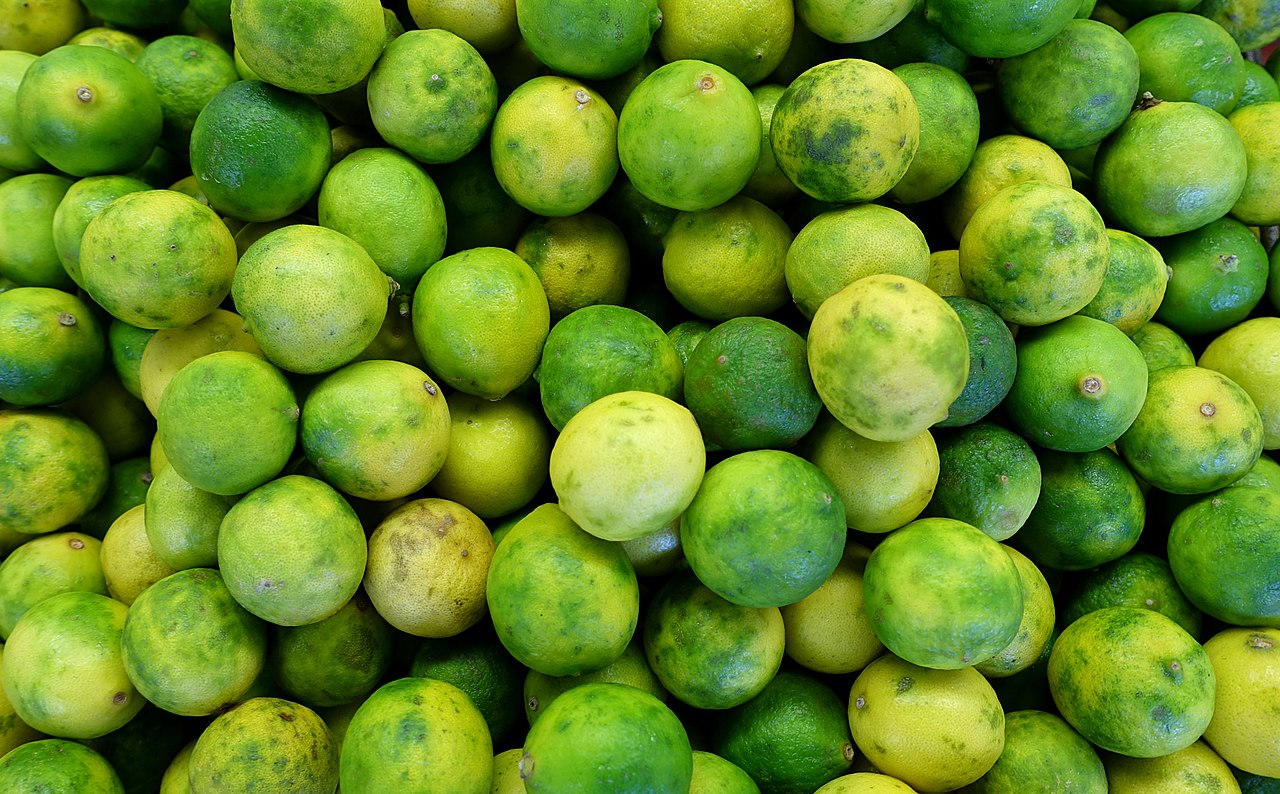


Ingredients and defining characteristics
The classic filling combines three main elements: the acidic juice of the key lime, egg yolks for color and richness, and sweetened condensed milk to supply sweetness and body. These ingredients are typically poured into a prepared pie crust — commonly a graham cracker crumb crust — and either briefly baked or chilled until set. A variation uses the egg whites beaten into a meringue topping, while others are garnished with whipped cream. The pale yellow hue of the filling comes mainly from the yolks, and the flavor profile is bright, tangy and slightly floral compared with larger commercial limes.
Preparation and the chemistry behind it
When lime juice is mixed with sweetened condensed milk, the acid causes proteins in the milk and yolks to coagulate and the mixture to thicken, producing a curd-like texture without relying solely on extended baking. Early recipes often described no-bake preparations that depended on this chemical reaction, but modern food-safety considerations commonly lead cooks to bake the assembled pie briefly to pasteurize the eggs and further set the filling. Whether chilled or lightly baked, the result is a firm yet silky custard that slices cleanly.
History and origins
Key lime pie is strongly associated with Key West and the surrounding Florida Keys. Its development is linked to regional ingredients and circumstances: the availability of canned sweetened condensed milk in the late 19th and early 20th centuries, the local cultivation and use of small key limes (Citrus aurantiifolia), and the practical needs of cooks in a subtropical island environment where fresh dairy and refrigeration were limited. Folk histories and restaurant lore have contributed to its popularity; today the pie is widely regarded as a symbol of Florida cuisine and popular across the United States.
Variations, serving and cultural importance
Common variations include using regular Persian limes when key limes are unavailable, employing a pastry shell instead of graham crackers, or topping the pie with whipped cream rather than meringue. Bakers may also flavor the crust with butter and sugar or add lime zest to the filling for extra aroma. Key lime pie is frequently served chilled with a thin lime slice or zest garnish and appears on dessert menus nationwide. It is often celebrated at local festivals and is treated as a regional specialty of Florida.
Further notes and resources
- Regional context and culinary tradition: American dessert history
- Botanical note on the lime: limes and citrus types and Key lime
- Typical recipe elements: egg yolks, sweetened condensed milk, pie crust
- Toppings and texture: meringue or whipped cream options
- Food science behind setting: acid–protein reactions
Related articles
Author
AlegsaOnline.com Key lime pie Leandro Alegsa
URL: https://en.alegsaonline.com/art/53112
Sources
- en.wikibooks.org : Cookbook
- en.wikibooks.org : Key lime pie