
Juice: definition, types, production, nutrition and uses
Overview of juice from plants, fruits and animals; covers common types, production and processing, legal definitions, nutrition, storage, culinary uses and safety considerations.
Overview: "Juice" commonly refers to the edible liquid expressed or extracted from living biological material. Most often it denotes fluids obtained from plants and fruit, but in culinary contexts the term can also describe extracts associated with animals, such as meat juices or broths. Fruit and vegetable juices are consumed worldwide as beverages, used as ingredients, and incorporated into sauces and dressings.
Image gallery
9 Images
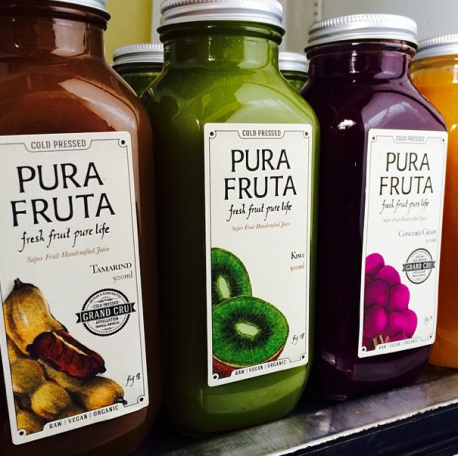


Common examples
Many fruits are regularly made into commercial or homemade juices. Well-known examples include:
- Apple
- Orange
- Tomato
- Pineapple
- Grapefruit
- Guava
- Mango
- Passionfruit
- Watermelon
- Cranberry
- Grape
- Lemon
- Lime
Production and processing
Juice is produced by rupturing plant cells and collecting the released liquid. Extraction methods range from simple hand-pressing to mechanical pressing, centrifugation and modern cold-press technologies. After extraction, juices may be clarified, filtered, pasteurized, concentrated by removing water, or preserved by non-thermal methods. Concentrates are produced by evaporating water for easier storage and transport; water is later re-added to reconstitute the beverage.
Categories and labeling
Products are commonly described as 100% fruit juice, blends, nectars or juice drinks. Nectars are thicker or more acidic extracts that are often diluted and sometimes sweetened. Many jurisdictions regulate what names may be used on labels: for example, in the United Kingdom the name of a specific fruit followed by the word "juice" is reserved for products that meet defined compositional and ingredient rules under national regulations and related legal provisions.
Availability and commerce
Juice products are sold in retail outlets; consumers commonly buy bottled or carton-packed juices from a store and find many varieties packaged in bottles or aseptic cartons. Industrial producers supply fresh, pasteurized, chilled and shelf-stable formats for different markets. Small-scale producers and home juicing are also widespread.
Meaning beyond beverages
The term "juicy" is used figuratively for items that contain much moisture. Juice does not always mean a beverage: the word can simply denote a liquid contained within a food or biological tissue; for example, one might refer to the "juices" released by meat as it rests or cooks. In that sense the word may be applied outside of drinking contexts—e.g., a drink or a cooking liquid.
Nutrition and health
Juices supply water, natural sugars, organic acids and varying amounts of vitamins and minerals. Citrus juices are notable sources of vitamin C, while some juices contribute minerals such as potassium. Compared with whole fruit, clear juices usually contain less dietary fiber because the cell walls are removed during processing; dietary guidance in many countries therefore encourages consumption of whole fruit in addition to, or in preference to, large quantities of juice. Juices can form part of a balanced diet when consumed in moderation, but attention to portion size and added sugars is important.
Storage, safety and quality
Proper storage preserves quality and reduces health risks: many commercially packaged juices are pasteurized or treated to extend shelf life, and opened products are refrigerated. Non-thermal treatments such as high-pressure processing are used by some producers to retain fresh-like qualities while improving safety. Home-extracted juices may require prompt refrigeration and careful hygiene to prevent spoilage.
Culinary uses and cultural role
Juices are used as beverages, culinary ingredients, marinades, flavoring agents and cocktail mixers. Historically, pressed fruit has been fermented to make traditional beverages such as cider and other fermented drinks. Across regions, juice production supports local agriculture and economies, influencing harvest practices, varietal selection and export markets. Consumer trends have driven innovation in low-sugar, cold-pressed, organic and functional juice products.
Environmental and practical considerations
Production and packaging have environmental footprints related to land use, water and energy. Processing choices, supply chains and packaging materials affect sustainability outcomes; many producers pursue reduced waste, improved energy efficiency and recyclable or lightweight packaging. Home juicing and small-scale pressing can reduce processing inputs but raise issues of perishability and food-safety handling.
Summary: "Juice" is a broad term for liquids derived from biological sources with many culinary, nutritional and commercial roles. Understanding product categories, labels and preparation methods helps consumers choose suitable options for taste, nutrition and convenience.
Related articles
Author
AlegsaOnline.com Juice: definition, types, production, nutrition and uses Leandro Alegsa
URL: https://en.alegsaonline.com/art/51462
Sources
- food.gov.uk : Fruit Juices and Fruit Nectars (England) Regulations
- food.gov.uk : Fruit Juices & Fruit Nectars (Scotland) Regulations 2003