
Shop (Retail outlet)
A shop is a place—physical or virtual—where goods and services are offered for sale. This article explains types, characteristics, history, common uses and distinctions between retail formats.
A shop is a place where goods or services are offered to customers in exchange for payment. Traditionally a physical space such as a single-room boutique or a department within a larger building, the term also covers modern online stores and mobile vendors. People visit shops to purchase everyday items like food, clothing, and personal care products, as well as larger goods such as furniture or specialty items like jewelry.
Image gallery
10 Images

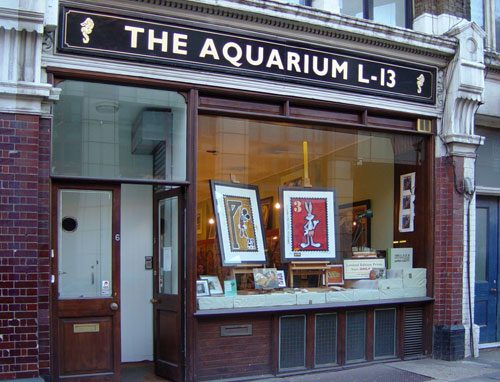


Characteristics and components
Shops differ in size, layout and business model, but most share common elements: a place to display merchandise, a point of sale or checkout, storage for inventory, and staff to assist customers. Some shops focus on self-service (supermarkets), others on assisted service (tailor, jeweler). Repair-oriented shops provide services rather than selling new goods — for example a bicycle repair shop handles maintenance and parts replacement.
Types and examples
- Independent small shops: family-run stores or specialty boutiques.
- Chain stores and supermarkets: standardized outlets operated by a single company.
- Market stalls and pop-up shops: temporary or seasonal retail spaces.
- Online stores: digital storefronts that may offer home delivery or click-and-collect.
Each format serves different needs: convenience and variety often favour supermarkets, while specialists attract customers seeking expertise or unique products. Repair shops and service workshops prioritize skills and equipment over inventory.
History and development
Retail trading has existed since ancient marketplaces where artisans and traders met customers. The modern shop evolved with urbanization and industrial production, leading to permanent storefronts, fixed pricing and later, department stores and mail-order catalogs. In recent decades digital commerce and logistics advances have expanded what counts as a shop to include websites and apps.
Understanding shops involves both the physical features of a retail space and the broader economic roles they play: supplying necessities, enabling choice, providing employment, and creating social interaction. Despite changes in technology and consumer habits, the core purpose remains the same—connecting people who want goods or services with those who provide them.
Related articles
Author
AlegsaOnline.com Shop (Retail outlet) Leandro Alegsa
URL: https://en.alegsaonline.com/art/89976