
Bottle (container for liquids)
A bottle is a container designed to hold, transport, and dispense liquids. Bottles vary by material, shape, closure and use, from beverage bottles to medicine vials, with notable environmental and historical facets.
Overview
A bottle is a type of container primarily intended to hold and pour liquids. Its basic form is a hollow body with a smaller opening or neck that accepts a closure. Bottles are made in many sizes, from tiny vials to large jugs, and are shaped to suit handling, storage and pouring.
Image gallery
10 Images




Design and materials
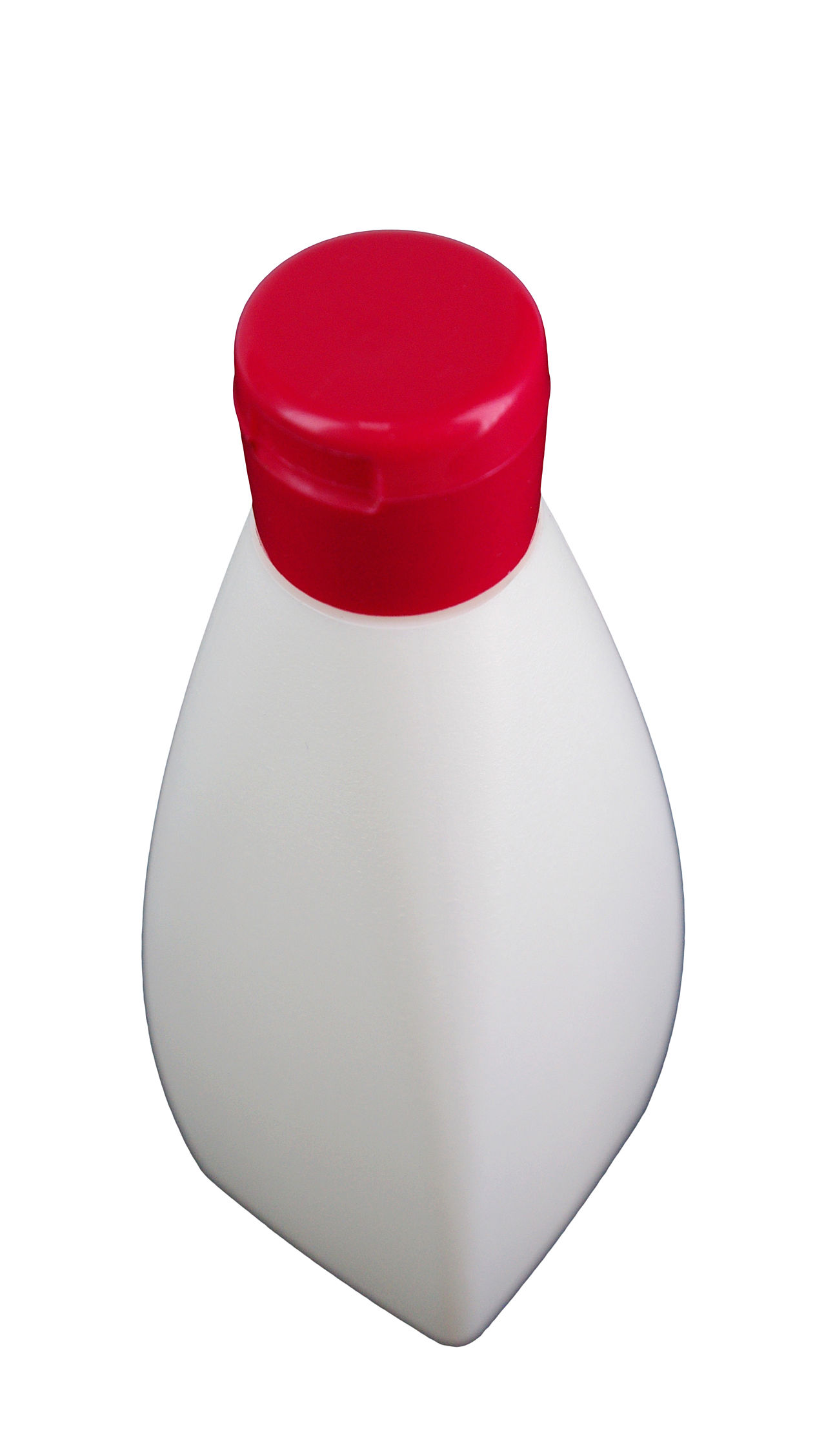
Bottle design balances capacity, strength, weight and the needs of the contents. Common materials include glass and plastic, but bottles are also produced in metal, ceramic and composite materials. Typical parts of a bottle are the body, shoulder, neck and mouth; closures include screw caps, corks, stoppers and pump dispensers.
Varieties and features
- Neck finish and thread type determine what closures fit.
- Glass bottles are often used for beverages and products that react with plastics.
- Plastic bottles can be lightweight, shatter-resistant and molded into complex shapes.
- Specialized bottles include amber or UV-blocking types for light-sensitive contents.
History and development
Bottles have evolved from simple clay and blown-glass forms to mass-produced molded containers. Advances in glassblowing, the introduction of machine-made glass in the 19th century, and later development of polymer molding transformed availability, cost and hygiene. Changes in closure technology and labeling also reflect trade and regulatory developments.
Common uses and examples
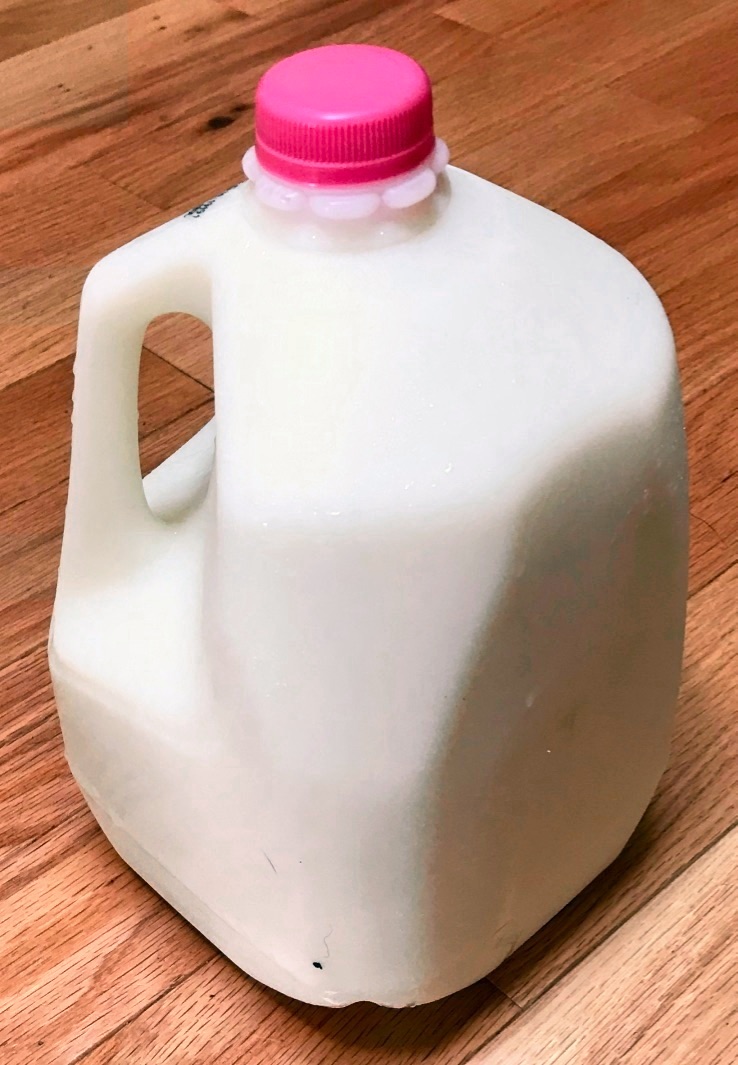
Bottles serve a wide range of uses. Beverage examples include milk (milk), wine (wine), lemonade (lemonade), soft drinks (soft drinks) and water (water). Non-food liquids commonly bottled include household chemicals such as bleach (bleach) and detergent (detergent), as well as pharmaceutical preparations and medicinal solutions (medicines).
Environmental considerations and distinctions
Bottles are central to conversations about reuse, recycling and waste. Glass is infinitely recyclable without quality loss but heavier for transport; different plastics vary in recyclability and environmental footprint. Refillable systems, material choice and local waste-processing infrastructure all affect a bottle's environmental cost. Distinctions between bottles and other containers (like jars or flasks) hinge on neck geometry, intended closure and typical use.
Further notes
When choosing or designing a bottle, consider compatibility with contents, barrier properties, ease of pouring, labeling, safety and end-of-life handling. For practical information or standards, consult sources specific to packaging, materials science and local recycling guidance.
Author
AlegsaOnline.com Bottle (container for liquids) Leandro Alegsa
URL: https://en.alegsaonline.com/art/13274