
Silver (chemical element)
Silver (Ag), atomic number 47, is a lustrous transition metal prized for its conductivity, reflectivity and malleability; used historically for coinage and jewelry and today in electronics, optics and medicine.
Overview
Silver is a metallic chemical element whose symbol is Ag and whose atomic number is 47. It is classified among the transition metals and is known for its bright, white metallic luster. For a basic definition see chemical element and for its placement in the periodic system consult a general chemistry resource. Silver's name comes from the Latin argentum.
Image gallery
10 Images
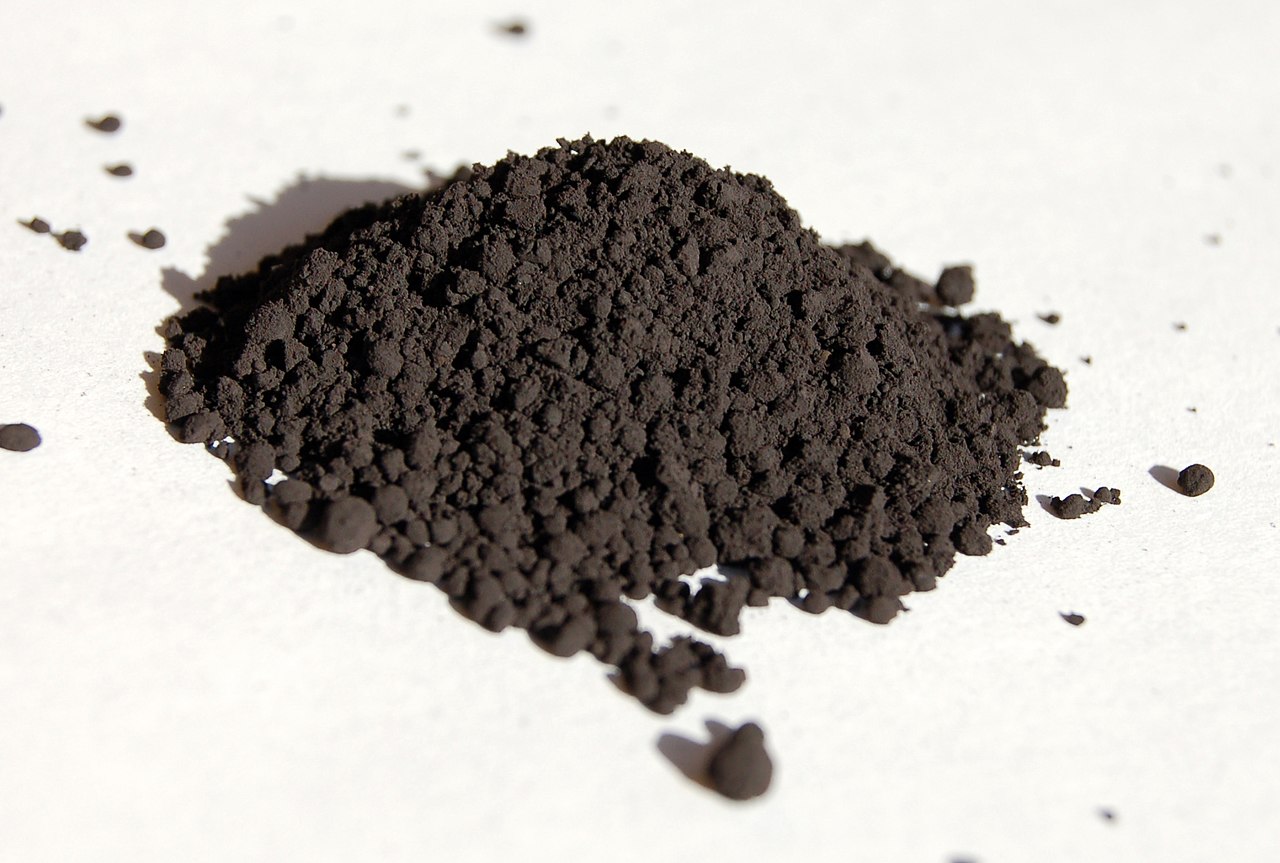


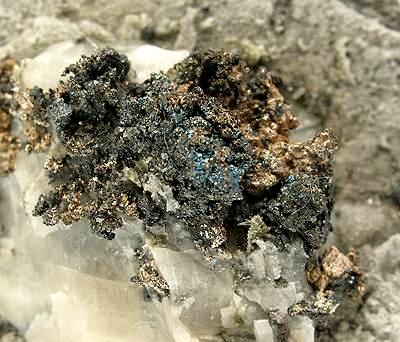


Physical and chemical characteristics
Silver is soft, highly ductile and malleable, with excellent electrical and thermal conductivity — the highest of all metals at room temperature. It resists corrosion in pure air but tarnishes readily when exposed to sulfur-containing compounds, forming a dark silver sulfide layer. Chemically, silver most commonly occurs in the +1 oxidation state (Ag+); it also forms a variety of compounds such as silver nitrate and light-sensitive silver halides.
Occurrence and extraction
Silver is found both as native metal and combined in ores. Economically important minerals include silver sulfides and silver-bearing lead and copper ores. Many commercial deposits are mined for multiple metals; silver is recovered by smelting and refining techniques such as electrorefining and chemical extraction. Recycling of silver from industrial waste and old jewelry is a significant source of supply. For technical and mineralogical details see a mineral reference or a transition metal overview.
History and cultural significance
Humans have used silver since antiquity for ornaments, coinage and tableware. Its reflective properties made it useful for mirrors long before modern coating methods. Silver has carried economic and symbolic weight in many cultures and remains important in bullion markets and collectibles.
Uses and applications
- Jewelry, silverware and coinage for aesthetic and monetary roles.
- Electrical contacts, conductors and printed electronics for its conductivity.
- Optics and mirrors due to high reflectivity.
- Photographic film and papers historically relied on silver halides; digital photography has reduced but not eliminated industrial demand.
- Catalysts, antimicrobial coatings and medical devices where silver ions or nanoparticles are used for their biological activity.
Safety and environmental notes
Metallic silver is of low chemical reactivity and poses limited acute toxicity, but certain silver compounds and prolonged exposure can cause argyria, a permanent grayish skin discoloration. The environmental and health effects of engineered silver nanoparticles are under study, and releases to water and soil are subject to regulation and recycling efforts.
Silver remains a multifaceted material: valued historically as a precious metal and today critical to many industrial, medical and technological applications.
Questions and answers
Q: What is silver?
A: Silver is a chemical element, symbolized by Ag, which is a transition metal.
Q: What is the atomic weight of silver?
A: The atomic weight of silver is 107.86 a.m.u.
Q: What is the symbol of silver?
A: The symbol of silver is Ag, which comes from the Latin word for silver, argentum.
Q: What is the position of silver in the periodic table?
A: Silver is located in the perioudic table as element 47.
Q: What is the Latin word for silver?
A: The Latin word for silver is argentum.
Q: How is silver classified?
A: Silver is classified as a transition metal in the periodic table.
Q: How many protons does silver have?
A: Silver has 47 protons in its nucleus.
Related articles
Author
AlegsaOnline.com Silver (chemical element) Leandro Alegsa
URL: https://en.alegsaonline.com/art/90473