
Molar (tooth) — structure, function, development, and variation
Molars are large, complex teeth at the back of mammalian mouths used for crushing and grinding. This article covers their anatomy, development, variations across species, and common dental issues.
Overview
Molars are the broad, usually multi‑cusped teeth located toward the rear of the mouth in mammals. They form the principal grinding surface of the dentition and play a key role in breaking down food into smaller particles suitable for swallowing and digestion. In humans and many other mammals, molars are larger and more complex than the anterior teeth and are adapted to the dietary habits of the species. See also the general entry on molars for basic terminology.
Image gallery
10 Images




Structure and characteristics
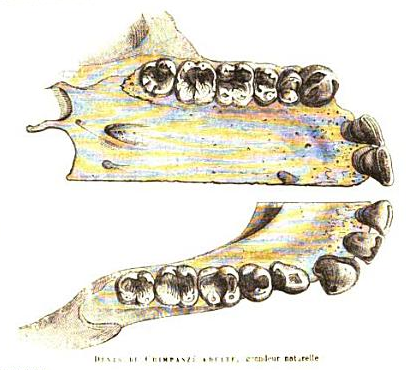
Molars typically have a broad occlusal (chewing) surface with raised points called cusps and grooves or fissures between them. Their crown is covered in enamel, beneath which lie dentin and a central pulp chamber containing nerves and blood vessels. Roots anchor molars to the jaw; root number and shape vary by location and species. In humans, upper molars often have three roots while lower molars commonly have two.
- Cusps and occlusal patterns determine how a tooth grinds or shears material.
- Enamel is the hard outer layer; dentin provides bulk and resilience.
- Multiple roots give stability to withstand the forces of chewing.
Development and types
Mammals usually develop a sequence of teeth that can include temporary (deciduous) molars in childhood and permanent molars in adulthood. In humans there are normally three permanent molars per side of each jaw, the last of which is called the third molar or wisdom tooth. These final molars often erupt later than the rest of the permanent dentition and may fail to emerge or become impacted. Permanent molars replace primary teeth in a coordinated pattern, and timing varies among species and individuals.
Variation across mammals
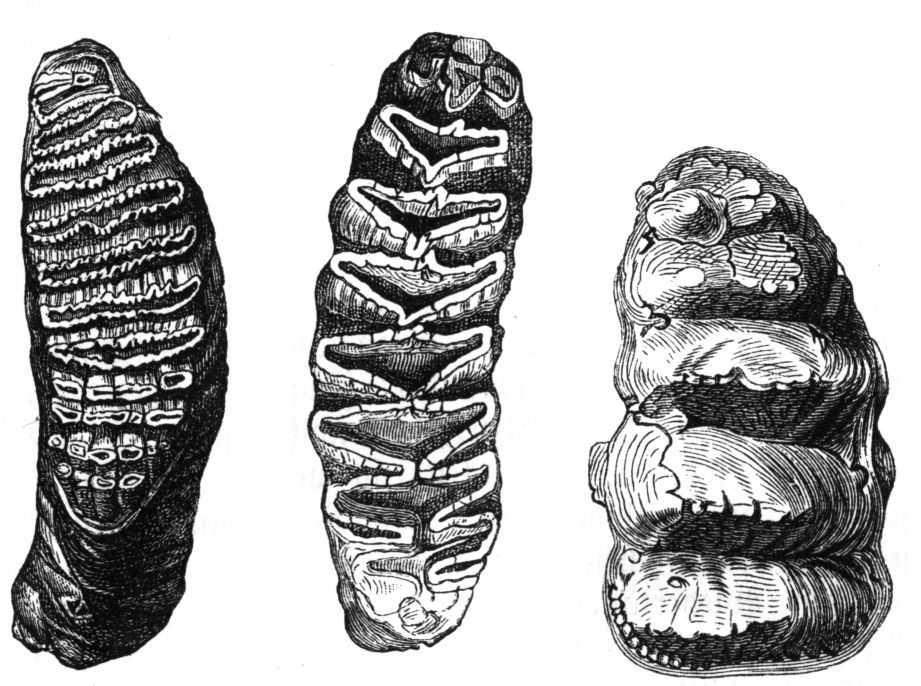
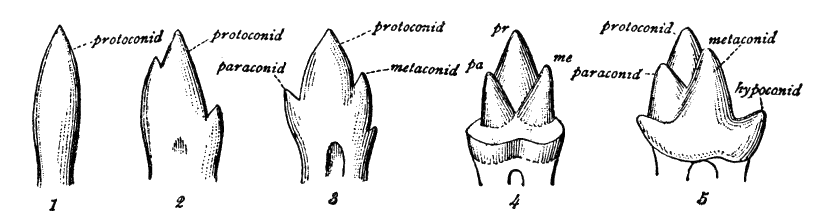
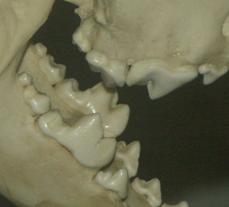
Molars reflect dietary specialization. Herbivores commonly have broad, flat molars with ridges for grinding fibrous plant material; some grazing mammals have high‑crowned (hypsodont) molars that wear slowly. Carnivores tend to have reduced grinding surfaces and more slicing edges, with certain teeth adapted as carnassials for shearing flesh. The evolution of complex molar patterns, such as the tribosphenic arrangement in early mammals, was a major factor in the success and diversification of mammalian groups.
Function, importance and examples
Molars contribute to efficient mastication, which aids digestion by increasing the surface area of ingested food. In omnivores like humans, molars show a compromise between shearing and grinding surfaces. Variations in molar form help identify dietary habits in fossil species and are widely used in comparative anatomy and paleontology.
Dental health and clinical notes
Because molars have pits and fissures, they are prone to dental caries (cavities) and can be difficult to clean. The back position and multiple roots also make treatment more complex: root canal therapy and extractions of impacted third molars are common procedures. Periodontal disease can affect molars severely because of their root anatomy. Preventive care — regular cleaning, sealants, and timely dental evaluation — helps preserve molar function into later life.
Further reading
For general background on mammalian teeth and dentition patterns, consult resources on mammals and comparative dental anatomy. To learn about occlusion and restorative treatments, see sources on grinding surfaces and clinical dentistry. Information on how molars relate to neighboring premolars is available under premolars.
Related articles
Author
AlegsaOnline.com Molar (tooth) — structure, function, development, and variation Leandro Alegsa
URL: https://en.alegsaonline.com/art/65839