
Paleontology: the science of fossils, past life and Earth's history
Paleontology studies fossils to reconstruct ancient life, evolutionary relationships, environments and geological contexts. Covers methods, subfields (zoology, botany, micropaleontology), history and practical importance.
Overview
Paleontology is the scientific study of ancient life through its remains and traces preserved in the geological record. Researchers examine fossils to reconstruct morphology, behavior and relationships among organisms and to place those organisms in time and environment. This work is closely tied to concepts of phylogeny and broader questions about how life has diversified and responded to environmental change.
Image gallery
10 Images
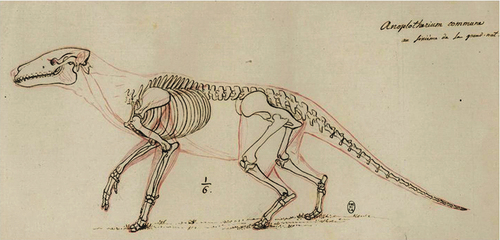


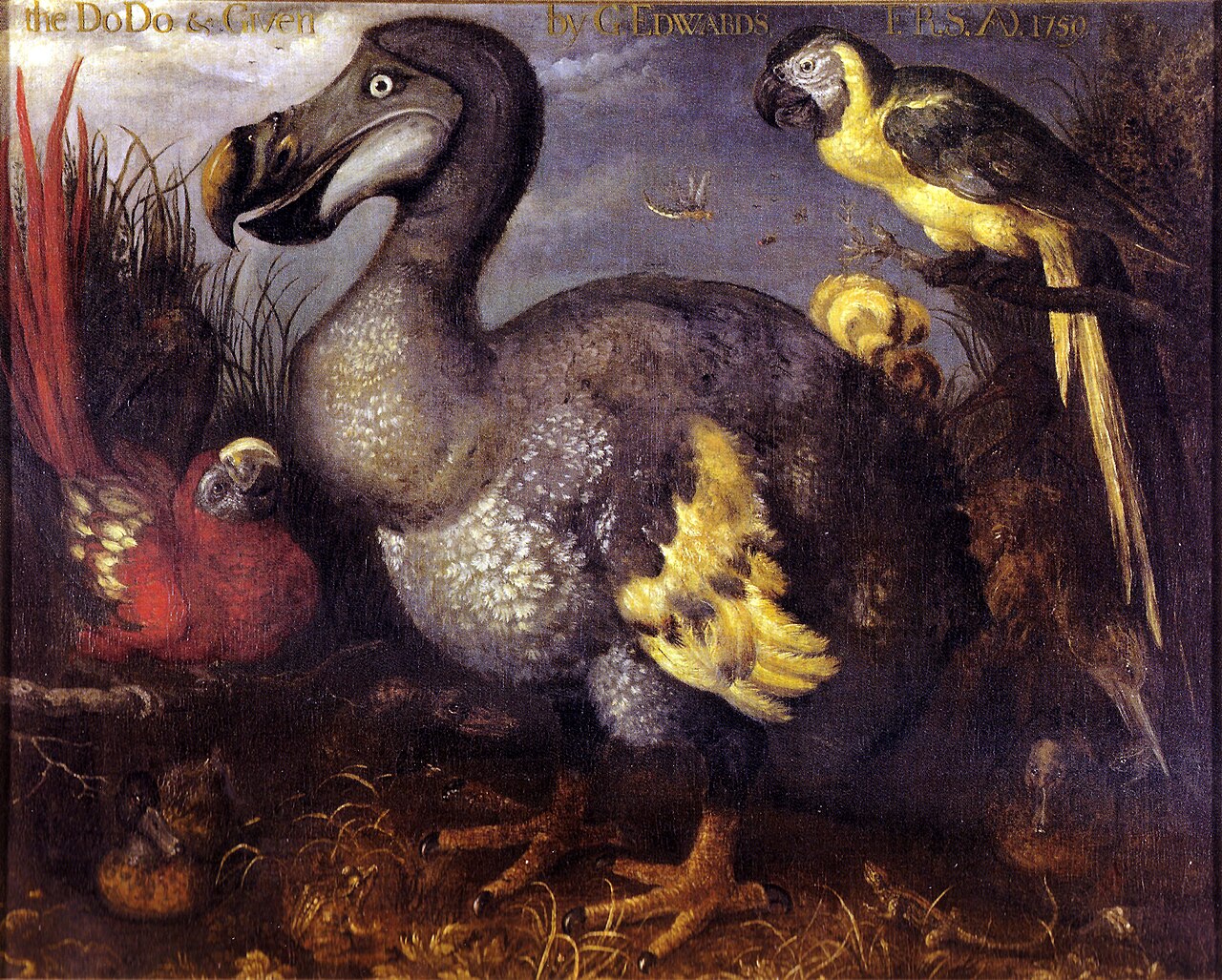
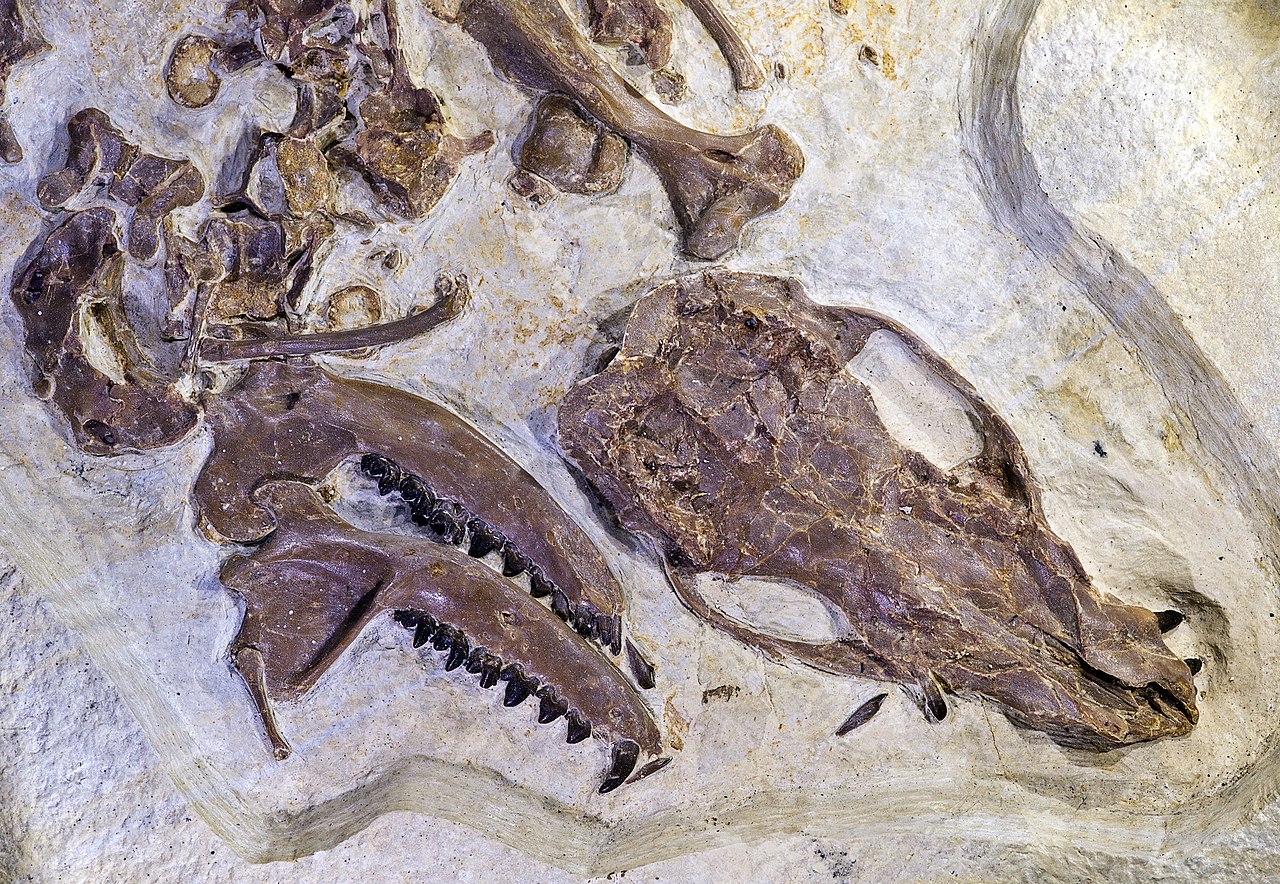


Scope and subfields
Paleontology integrates methods and knowledge from living-organism biology and earth sciences. It draws on disciplines such as zoology and botany for anatomical and ecological interpretation, and on geology for dating and context. Some common subfields include:
- Palaeozoology — study of fossil animals and their evolutionary history.
- Palaeobotany — study of fossil plants, pollen and ancient vegetation.
- Micropaleontology — analysis of microscopic fossils using microscopy and geochemical techniques.
- Paleoecology — reconstruction of habitats and interactions; see palaeo ecology.
Methods and evidence
Paleontologists combine fieldwork, laboratory analysis and comparative anatomy. Field methods recover fossils from rock layers and map their position in strata. Radiometric and biostratigraphic dating place specimens in time, while morphological comparison and molecular data (when available) help infer evolution and lineage relationships. Trace fossils, such as footprints or burrows, provide behavioral and environmental clues about past life and past environments.
History and development
The modern discipline grew from 18th– and 19th‑century natural history and geology. Early collectors cataloged unusual bones and shells; later work formalized stratigraphy and evolutionary interpretation. Over time, new techniques—CT scanning, isotopic geochemistry and refined stratigraphic correlations—have expanded what fossils can tell us about physiology, climate and extinction events.
Importance, limits and notable facts
Paleontology informs evolutionary biology, conservation, petroleum geology and climate science. The fossil record is inherently incomplete: many lineages are known only from sparse remains and discoveries continually revise timelines; some groups disappear and reappear in the record (sometimes discussed as the Lazarus taxon). Research ranges from tiny shelled microbes to giant dinosaurs, and from macrofossils to microfossils studied under a microscope. Field reports, museum collections and databases together build a progressively richer picture of life’s history.
Applications and examples
- Reconstructing ecosystems and climate change across geologic time.
- Using fossil assemblages to correlate and date strata in applied geology.
- Informing evolutionary models and biodiversity studies across animal and plant groups, including comparisons with modern zoology and botany.
Paleontology remains a field where new finds and improved techniques frequently reshape understanding, linking biological and geological history to explain how life and Earth have co‑evolved.
Questions and answers
Q: What is palaeontology?
A: Palaeontology, also known as paleontology, is the study of fossils of living things and their evolutionary relationships.
Q: What are the basic sciences that palaeontology relies on?
A: Palaeontology relies on basic sciences such as zoology, botany, and historical geology.
Q: What does the term palaeobiology imply?
A: The term palaeobiology implies that the study of fossils will include the palaeoecology of the groups in question.
Q: What is studied in palaeozoology?
A: In palaeozoology, the evolution of those phyla with fossil records is studied.
Q: What is studied in palaeobotany?
A: In palaeobotany, fossil plants are studied.
Q: What information does historical geology provide to palaeontology?
A: In historical geology, the formation, sequence, and dating of rock strata give information about past environments.
Q: What is a fossil and what is the fossil record?
A: A fossil is any kind of life that is more than ten thousand years old and preserved in any form that we can study today. The fossil record is always incomplete, and later discoveries may extend the known survival of a group.
Related articles
Author
AlegsaOnline.com Paleontology: the science of fossils, past life and Earth's history Leandro Alegsa
URL: https://en.alegsaonline.com/art/74164