
Edward Elgar (1857–1934)
English late‑Romantic composer known for Enigma Variations, Pomp and Circumstance marches, The Dream of Gerontius, and the Cello Concerto; influential in national music and orchestral repertoire.
Sir Edward William Elgar (2 June 1857 – 23 February 1934) was an English composer whose music became emblematic of late‑Romantic Britain. Born in Broadheath, Worcestershire, he rose from provincial musical roots to international recognition. Elgar combined lyrical melody, rich orchestration and expressive contrasts to create works that remain central to orchestral and choral programmes.
Image gallery
10 Images


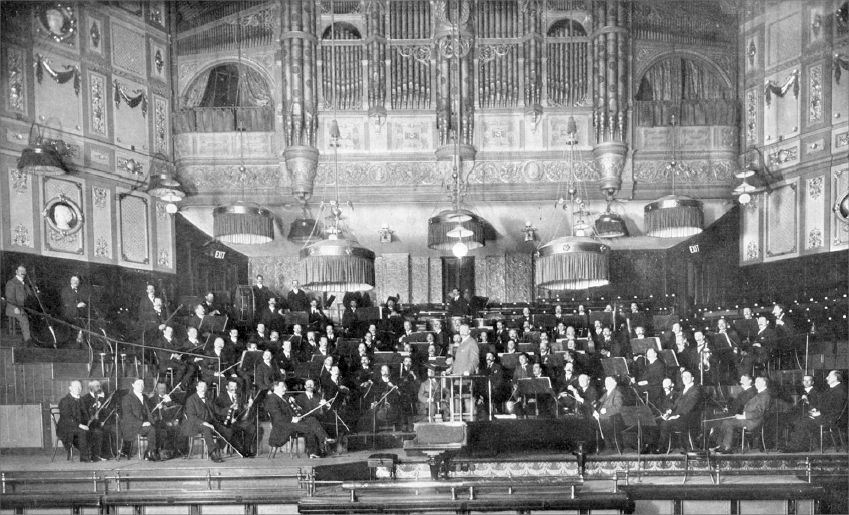

Style and characteristics
Elgar's writing is often marked by sweeping themes, contrapuntal craftsmanship and an emotional directness. He drew on large orchestral forces, chamber textures and the voice, and his music can sound both intimate and grand. Critics and listeners note a blend of English sensibility with European late‑Romantic techniques.
Major works and examples
- Enigma Variations — a set of orchestral variations each evoking a friend or character.
- Pomp and Circumstance marches — especially the march known as "Land of Hope and Glory".
- The Dream of Gerontius — a large choral and orchestral religious work that established his reputation.
- Concertos and chamber pieces, including a widely admired Cello Concerto and works for violin and orchestra.
Elgar wrote across genres: symphonies, orchestral tone‑poems, choral works, songs and chamber music. His music has been used in public ceremonies, films and recordings, helping to shape a modern image of British musical identity.
Life, recognition and legacy
Trained locally and influenced by practical musical work in his youth, Elgar's career gathered momentum around the turn of the 20th century. He received high honours in Britain and was widely celebrated in his lifetime. Contemporary performers and audiences continue to explore his scores, and his best‑known pieces are staples of concert halls worldwide. For a focused study of his life see biography resources, and for editions and recordings consult specialized catalogues or further reading.
Readers seeking detailed analysis or score information can follow curated material on performance practice and scholarly commentary; introductory guides and recorded examples remain readily available via museum collections and online archives (see honours and archives for institutional links).
Related articles
Author
AlegsaOnline.com Edward Elgar (1857–1934) Leandro Alegsa
URL: https://en.alegsaonline.com/art/30268