
Woodland: definition, ecology, uses, and regional terminology
A woodland is a light-filled, low-density tree cover with an open canopy. This article explains its characteristics, ecological roles, regional meanings, and conservation approaches.
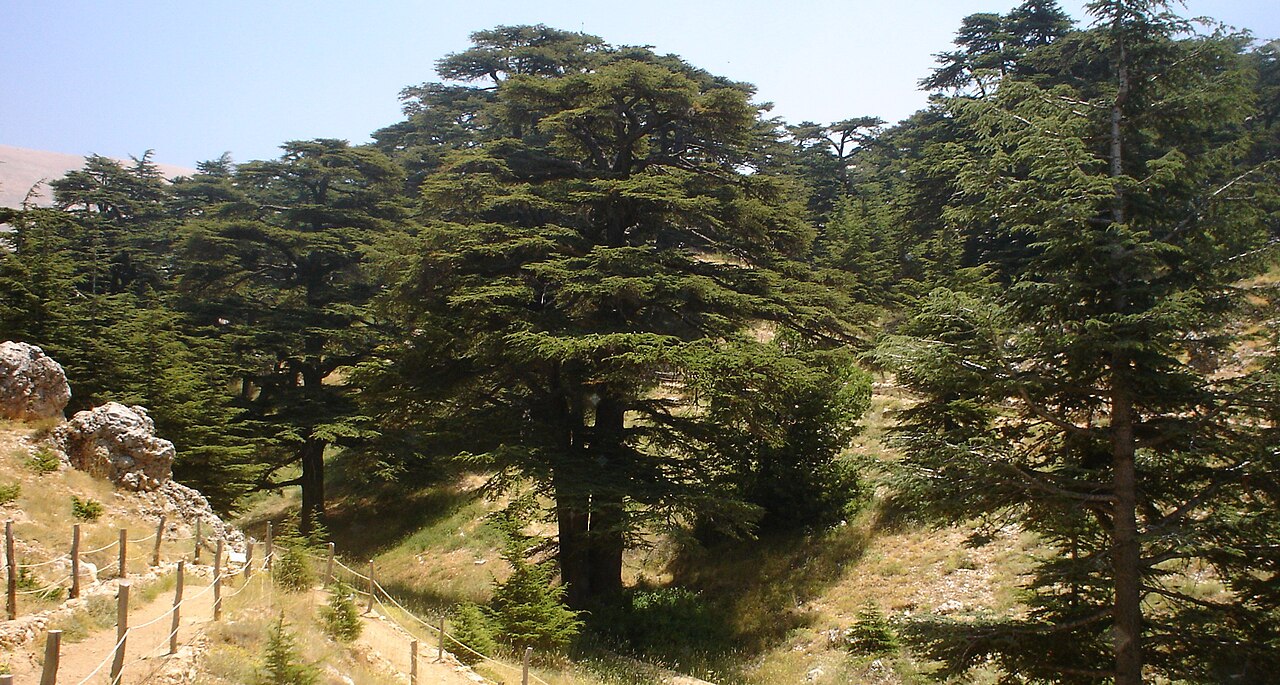
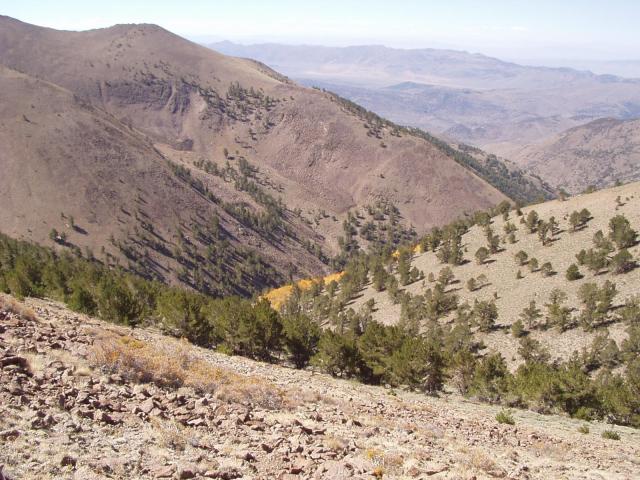
Woodland generally denotes a landscape with trees but a more open canopy than a dense forest. In many sources the term is used to describe a low-density forest in which sunlight reaches the ground more easily and shade is limited (limited shade). Because of this relative openness, woodlands form a distinct habitat that supports a mixture of trees, shrubs and herbaceous plants and provides different microclimates than closed-canopy forests.
Image gallery
9 Images




Characteristics and structure
Woodlands are characterised by discontinuous tree cover and an understory composed of shrubs, grasses and wildflowers. They often occupy transitional zones between grassland and denser forest, and their structure varies with climate, soil and disturbance history. Key features include:
- Open canopy and patchy tree spacing that create an open habitat with higher light levels at ground level.
- An understory of woody and herbaceous species (shrubs and herbaceous plants) and frequently a grassy component (grasses), which supports diverse ground-layer communities.
- A tendency to grade into shrubland in drier conditions or early successional stages (succession), and to become more forest-like where trees become denser.
Terminology and regional usage
The word "woodland" is used with varying meanings in different languages and management traditions. In British contexts, for example, "woodland" may be applied to smaller tree-covered areas regardless of canopy density (British usage). British forestry practices distinguish small woods from larger forests, yet historical terms such as royal forests once referred to legal jurisdictions rather than necessarily wooded land. Conservation vocabulary includes terms like ancient woodland, a designation used in British conservation to mark sites continuously wooded for centuries; this is comparable to the concept of old-growth woodland or forest in other regions.
Ecological role and human uses
Woodlands provide a mosaic of habitats that support high biodiversity, including many light-demanding wildflowers, insects, birds and mammals. Their ecological functions and human uses include:
- Serving as refuges and corridors for wildlife and promoting species-rich edge habitats.
- Contributing to soil protection, water regulation and carbon storage—though generally storing less carbon per hectare than closed canopy forests.
- Providing timber, fuelwood, forage, and seasonal resources for people, as well as recreational, cultural and aesthetic benefits.
Examples of conservation efforts that protect woodland fragments include regional projects such as the preserved woodlands adjacent to the Indiana Dunes (Northwest Indiana), where remnant tree communities are managed alongside dunes and wetlands.
Conservation and management
Woodlands face pressures from agricultural conversion, urban expansion, invasive species and altered fire regimes. Management aims to maintain structural diversity and native species composition through approaches such as targeted grazing, selective thinning, replanting native trees and shrubs, and controlled burning where appropriate. Practical steps for woodland stewardship often include:
- Assessing existing species and canopy structure to set conservation goals.
- Controlling invasive plants and restoring native understory species.
- Using light thinning or periodic disturbance to preserve open conditions and habitat heterogeneity.
Because terminology and legal definitions differ, managers and policy-makers rely on regional guidance to determine protections and land-use priorities. For more detailed definitions and management resources consult specialist references and local forestry authorities via technical definitions and conservation portals (management guidelines, habitat descriptions, understory guides, grassland-woodland interfaces, successional pathways, regional usage notes, forestry manuals, biogeographic summaries, historical terms, ancient woodland criteria, conservation policy, and case studies such as regional reserves).
Questions and answers
Q: What is a woodland?
A: A woodland is a low-density forest with plenty of sunlight and limited shade, forming an open habitat with an understory of shrubs, herbaceous plants, and grasses.
Q: How do woodlands grade into shrubland?
A: Woodlands grade into shrubland in drier conditions or in early stages of plant succession.
Q: What are forests?
A: Forests are higher densities and areas of trees with largely closed canopy and nearly continuous shade.
Q: What does woodland mean in British forestry?
A: In British forestry, woodland means any smaller area covered in trees, however dense.
Q: What does forest mean in the British Isles?
A: In the British Isles, forest means extensive wooded areas, regardless of density.
Q: What is meant by ancient woodland in British conservation?
A: In British conservation, ancient woodland means any wooded land that has existed for a very long time, equivalent to the American term old growth forest.
Q: Why do conservationists work hard to preserve woodlands?
A: Conservationists work hard to preserve woodlands because they are important habitats for many species of plants and animals and provide ecosystem services such as oxygen production, carbon sequestration, and water regulation.
Q: Where has woodland been preserved in Northwest Indiana?
A: Woodland in Northwest Indiana has been preserved as part of the Indiana Dunes.
Related articles
Author
AlegsaOnline.com Woodland: definition, ecology, uses, and regional terminology Leandro Alegsa
URL: https://en.alegsaonline.com/art/108951
Sources
- southshorejournal.org : southshorejournal.org/