
Money: forms, functions, history, and uses
An overview of money as a medium of exchange, its main functions and forms, a brief history from barter to digital accounts, and practical distinctions such as fiat, commodity, and cryptocurrencies.
Overview
Money is any widely accepted medium used to facilitate transactions for goods and services, to measure value, and to store purchasing power. It appears in many forms — physical coins and banknotes, electronic account balances, and newer digital tokens — but all serve the basic purpose of making exchange easier than direct barter. For a concise definition and basic concepts see definitions of money.
Image gallery
10 Images



Primary functions and characteristics
Economists typically describe four main functions of money: it acts as a medium of exchange to avoid the inefficiencies of barter; a unit of account to price goods and services; a store of value to transfer purchasing power over time; and a standard of deferred payment to denominate debts. Good money is durable, portable, divisible, uniform, and widely accepted.
Common forms of money
- Commodity money: items with intrinsic value, such as metals or historically, salt or shells.
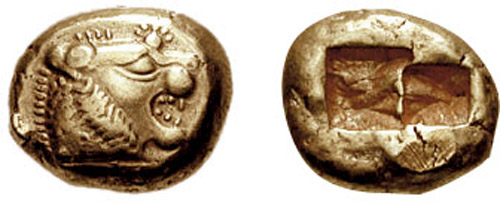
- Metal coinage: stamped pieces of metal that guaranteed weight and purity.
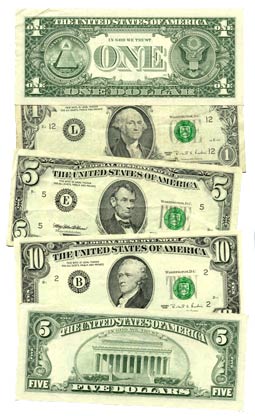
- Paper money: banknotes issued or backed by authorities or banks.
- Bank money: deposits and ledger entries used for transfers and payments.
- Electronic and digital money: balances maintained by banks, payment providers, and some decentralized ledgers.
History and development
Human exchange systems began with direct barter and gradually moved to commodity-based media to solve problems of coincidence of wants. Standardized coinage emerged to simplify trade; later, paper notes and bank deposits made large and remote transactions more practical. In the modern era, most everyday transactions involve digital records maintained by banks and payment systems rather than physical cash, while central banks and governments control official currency issuance and monetary policy.
Uses and real-world examples
Money underpins prices, wages, saving and borrowing, investment, and public finance. Examples of national currencies include the United States dollar and the British pound, each managed within a broader system of exchange rates and monetary institutions. Cross-border trade and travel rely on currency exchange and conversion mechanisms, which are influenced by supply and demand, interest rates, and policy decisions; see general information on currencies and exchange at currency resources.
Distinctions and notable facts
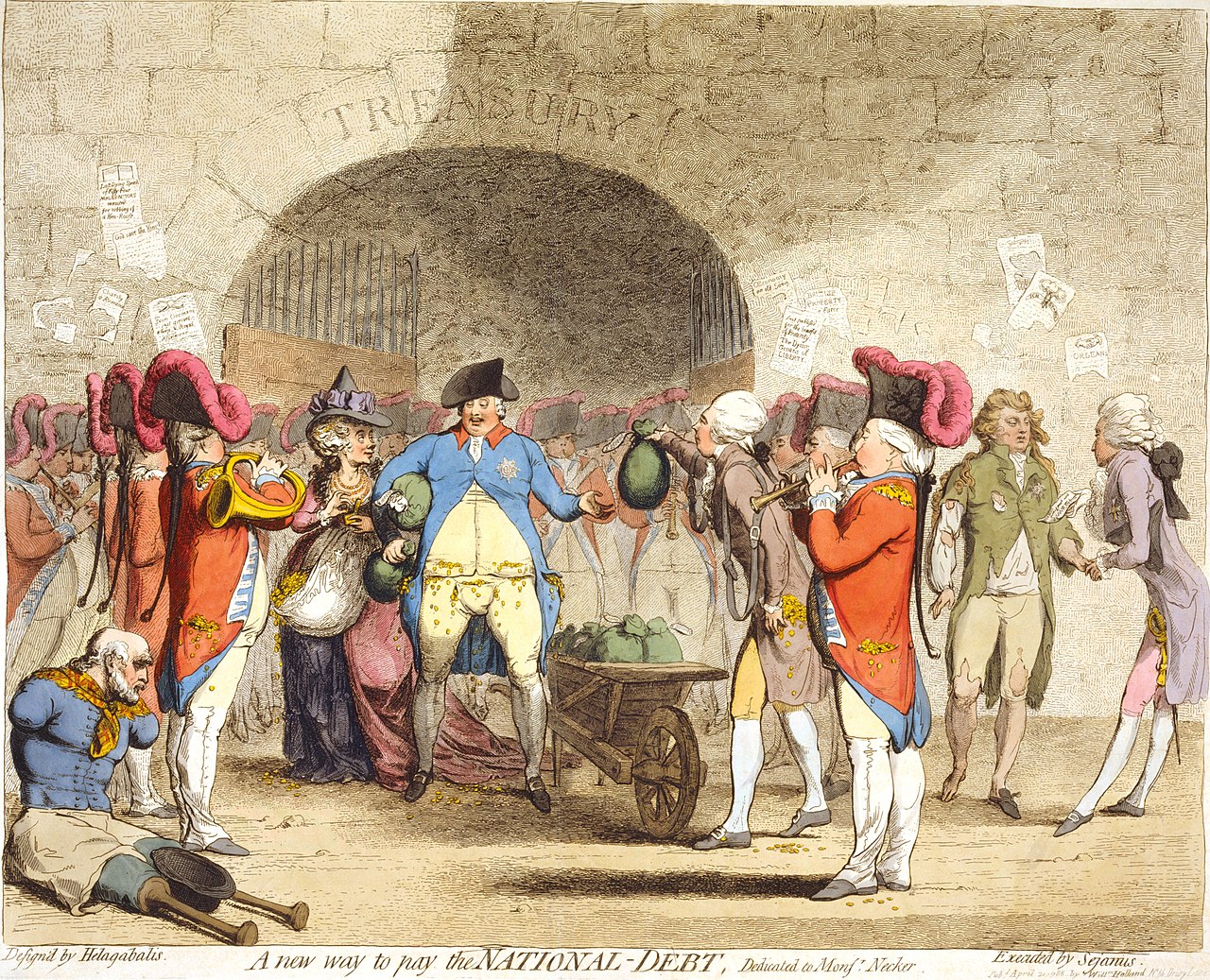
Common distinctions include money versus currency (currency is the physical or official form of money in a jurisdiction), and fiat money (value derives from government decree and trust) versus commodity money (value from the material itself). Newer alternatives, notably cryptocurrencies, offer different structures for record-keeping and issuance but raise questions about stability, regulation, and acceptability. Central banks monitor money supply and use policy tools to pursue goals such as price stability and economic growth.
Why it matters
Money is central to economic coordination: it simplifies trade, enables specialization, and supports financial systems. Understanding its functions and forms helps explain everyday phenomena like inflation, interest rates, and exchange rate movements, and informs choices by households, firms, and policymakers.
Questions and answers
Q: What is money?
A: Money is anything that people use to buy goods and services.
Q: How do people get money?
A: People typically receive money for selling their own things or services.
Q: Are there different kinds of money?
A: Yes, there are lots of different kinds of money in the world. Most countries have their own kind of currency, such as the United States dollar or the British pound.
Q: Is currency the same as money?
A: Yes, currency is another term used to refer to money.
Q: What is an example of a common form of currency?
A: The United States dollar and the British pound are examples of common forms of currency.
Q: How does one acquire goods and services with money?
A: Money can be used to purchase goods and services from other people or businesses.
Related articles
Author
AlegsaOnline.com Money: forms, functions, history, and uses Leandro Alegsa
URL: https://en.alegsaonline.com/art/66027
Sources
- pbs.org : "The History of Money"
- britishmuseum.org : "The origins of coinage"
- archaic-jade.com : "A Short History of Money"
- nbbmuseum.be : "The cradle of the European banknote stood in … Sweden"
- theatlantic.com : "The First Paper Money in America Was Issued on This Day in 1690"