
Museum: purpose, collections, history, and public role
An overview of museums: institutions that collect, preserve, research and exhibit objects for public education and enjoyment, including types, history, and functions.
A museum is both a place and an organization dedicated to collecting, preserving, interpreting and exhibiting objects of cultural, scientific or artistic value. Often housed in a public or private building, a museum provides visitors with access to artifacts, specimens, documents and works of art. The term can refer to the physical structure (building) as well as the administrative entity (institution) that cares for the collections and organizes displays.
Image gallery
10 Images
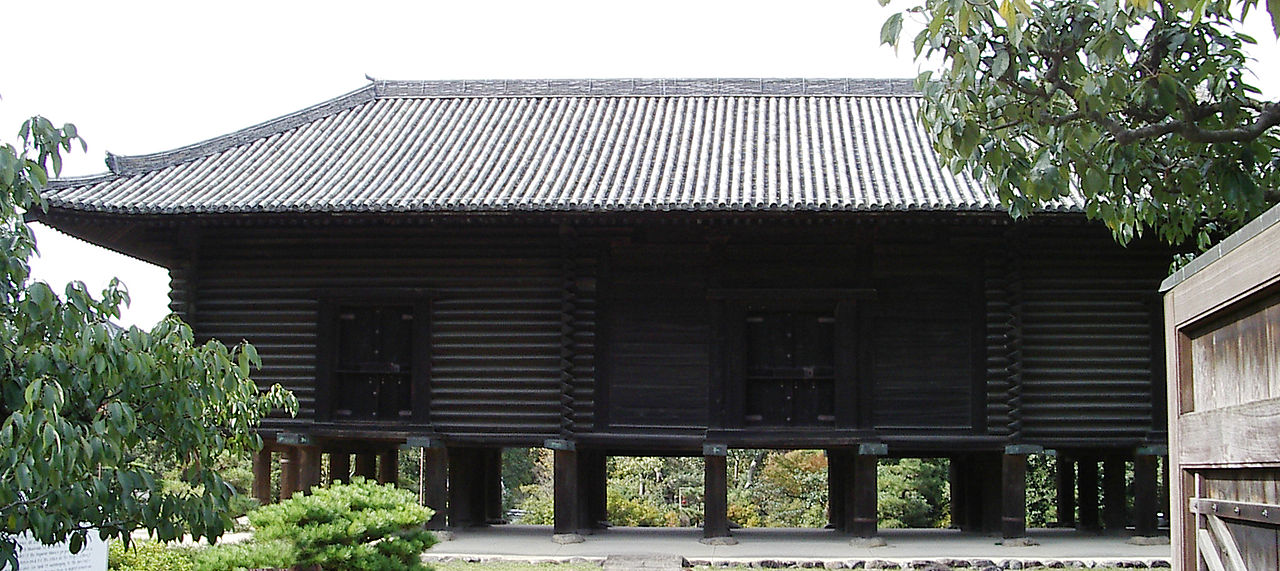


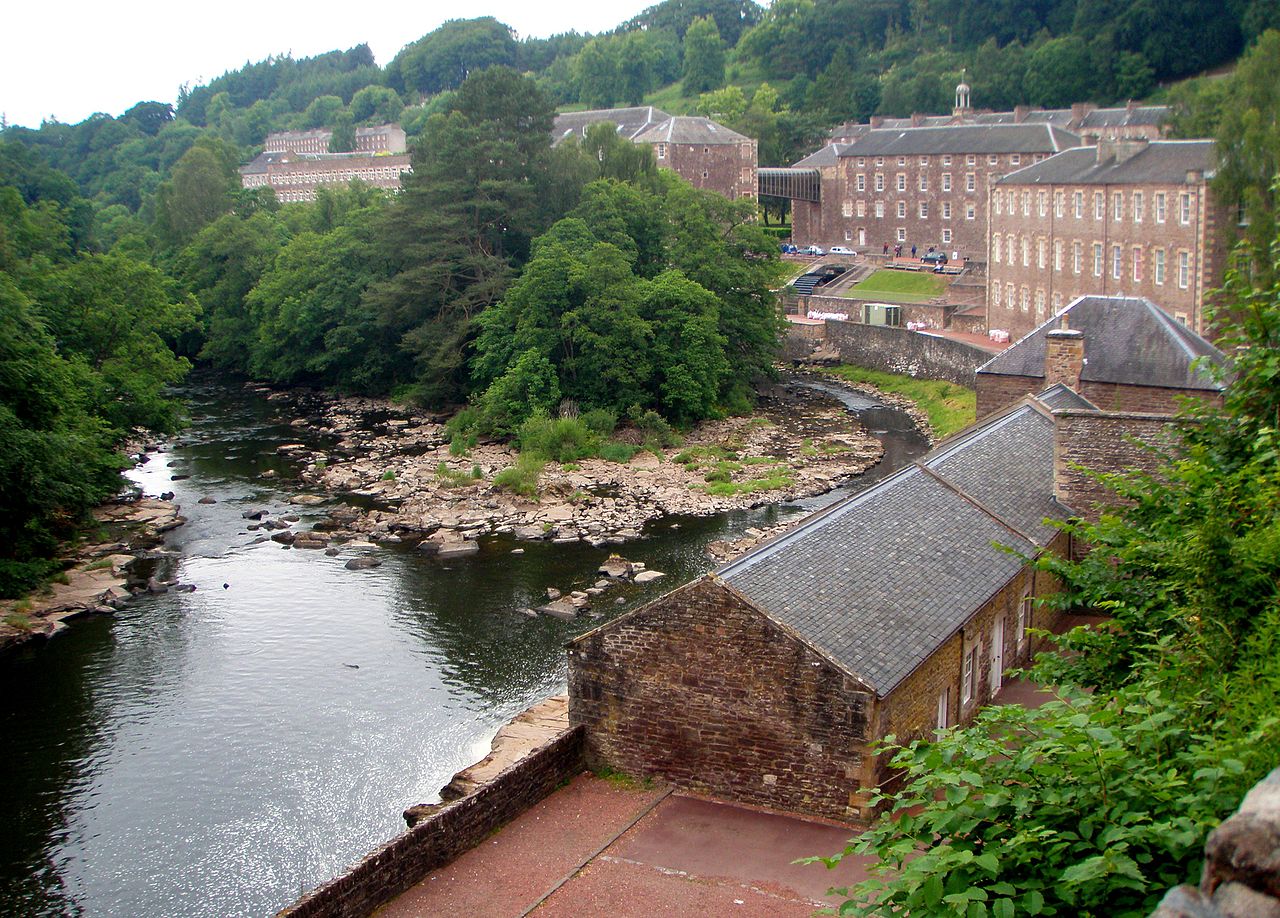
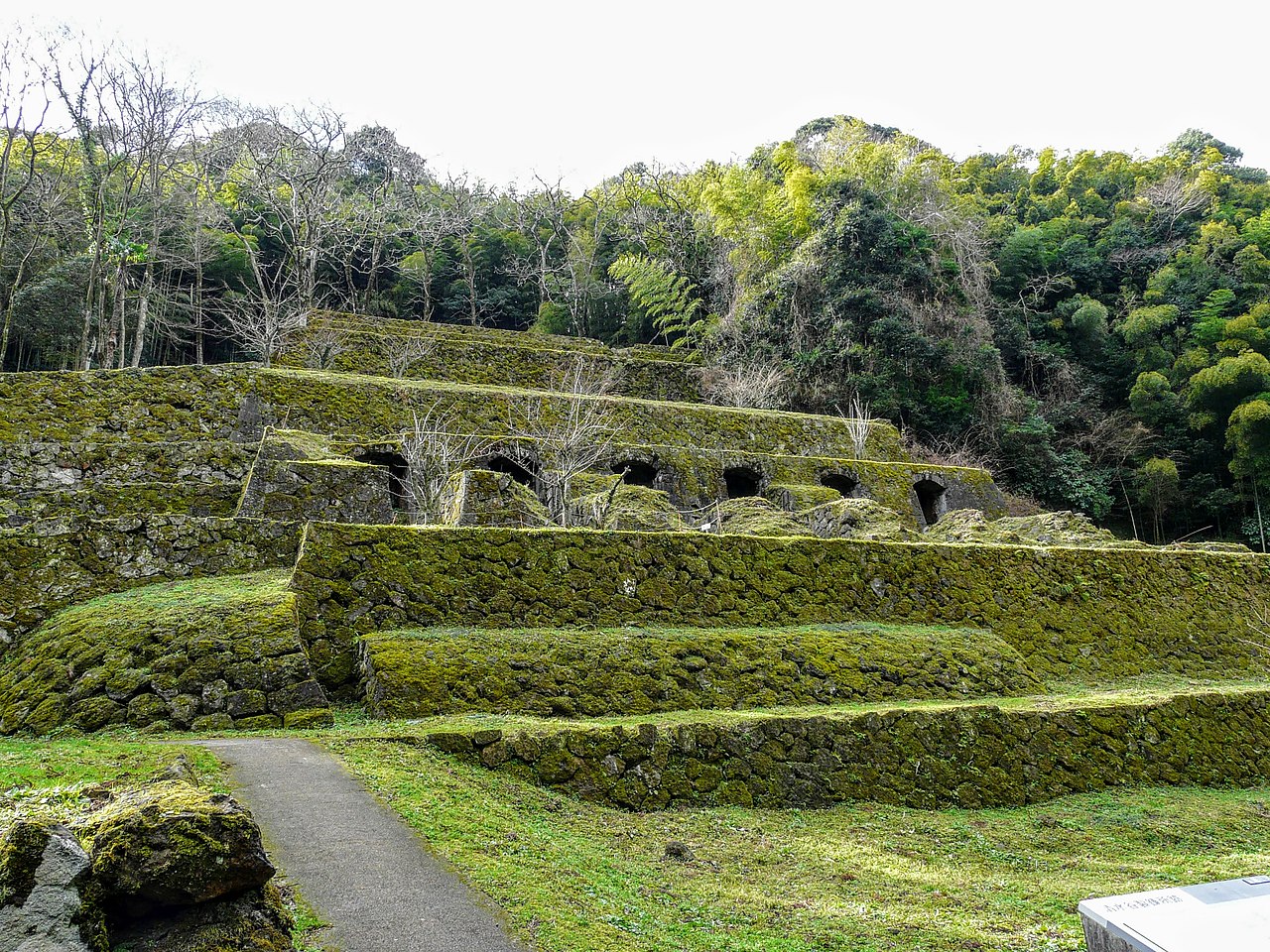


Collections and functions
Collections form the core of a museum's activity. Holdings are catalogued, conserved and researched to support exhibitions and education. Museums fulfill several roles: conserving fragile materials, contextualizing objects through interpretation, conducting research, and offering public programmes such as tours, lectures and workshops. Many museums also loan items to other institutions and publish findings based on their collections.
Types of museums
- Art museums and galleries — focus on painting, sculpture, photography and design.
- History and heritage museums — display artifacts related to social, political or local history.
- Natural history and science museums — exhibit specimens, fossils, models and scientific instruments.
- Specialty museums — devoted to a single subject such as transport, technology, or a notable individual.
Formats and governance vary widely: national museums, municipal museums, university collections, private foundations and community-run spaces each emphasize different priorities and audiences. Accessibility, ethical acquisition and provenance research have become central concerns for modern museums.
Origins and development
The idea of collecting and displaying objects is ancient, but the modern public museum grew from cabinets of curiosities and private collections made accessible to a wider audience. Over time museums professionalized with trained curators, conservation laboratories and educational services, expanding from elite collections to institutions meant for broad public benefit.
Museums play an important civic and educational role: they preserve memory, support scholarship, inspire creativity and provide places for public dialogue about culture, science and history. Their practices continue to evolve as communities and technologies change.
Related articles
Author
AlegsaOnline.com Museum: purpose, collections, history, and public role Leandro Alegsa
URL: https://en.alegsaonline.com/art/67727
Sources
- participatorymuseum.org : Simon, Nina K. (2010). The Participatory Museum.