
Cope's gray treefrog (Dryophytes chrysoscelis)
A compact overview of Cope's gray treefrog, Dryophytes chrysoscelis: appearance, life cycle, habitat, range, distinguishing features and conservation notes.
Overview
Cope's gray treefrog (Dryophytes chrysoscelis) is a small, arboreal frog native to much of the eastern and central United States and adjacent parts of Canada. Known for its variable gray or green dorsal coloration and striking orange or yellow blotches on the hind legs, it is active at night and commonly found in wooded areas near temporary and permanent water bodies. The species is well adapted to seasonal climates and can tolerate brief periods of freezing.
Image gallery
5 Images


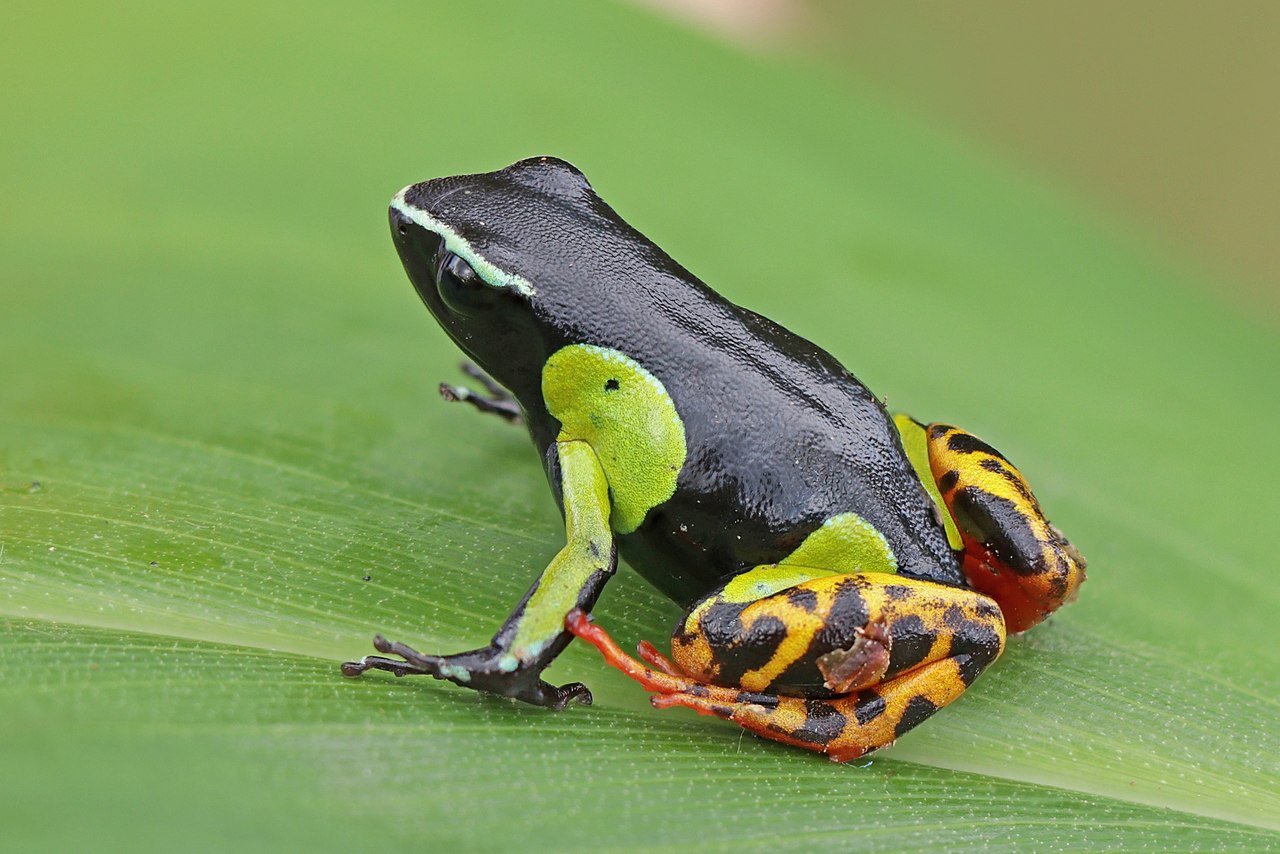

Identification and physiology
Adults typically measure a few centimeters in length. Their skin texture, color and pattern are variable and changeable to some degree, which helps them blend with bark and leaves. A characteristic feature is the bright color on the inner hind legs, visible when the frog jumps. Cope's gray treefrog is capable of surviving subfreezing temperatures by producing cryoprotective substances and by using microhabitats that reduce ice damage; recordings report survival near −8 °C in winter conditions.
Life cycle and behavior
Breeding takes place in spring and summer, usually in ephemeral ponds, flooded ditches and shallow pools. Females deposit clutches of eggs that hatch in a few days; hatchlings are aquatic tadpoles, which metamorphose into froglets over several weeks. Typical development from egg to small frog often occurs within about 45–65 days under favorable conditions. Adults are primarily nocturnal, feeding on insects and other small invertebrates, and they spend much of their time perched on branches or foliage.
Range, habitat and ecology
The species occupies a wide distribution across parts of North America, from southern Canada into the central and eastern United States. It frequents mixed forests, suburban woodlots, and wetlands where breeding sites are available. In many places it is among the common treefrogs encountered in residential areas with nearby water.
Distinguishing features and taxonomic notes
Cope's gray treefrog is nearly identical in appearance to the eastern gray treefrog (Dryophytes versicolor); the two were long considered forms of the same species. They are reliably distinguished by their mating calls and chromosome numbers: D. chrysoscelis is diploid (2n) and produces a faster-pulsed call, while D. versicolor is tetraploid (4n) with a slower call. These differences are important for field identification during the breeding season.
Conservation and human interactions
Populations of Cope's gray treefrog are generally stable across much of their range and the species is not regarded as globally threatened. Local declines can occur from habitat loss, pollution and the draining of breeding ponds. Because they use both terrestrial and aquatic habitats, conservation efforts focus on protecting wetlands and surrounding forested areas.
Further information and resources
- Species overview
- Treefrog family information
- Distribution in the United States
- Evolutionary background
- Post-glacial history
- Tadpole development
- Metamorphosis timing
- Etymology of the scientific name
- Camouflage and coloration
- Records from Ontario
- Records from North Dakota
- Records from South Dakota
- Records from Nebraska
- Records from Minnesota
- Records from Wisconsin
- Records from Missouri
- Records from Kansas
- Records from Texas
- Records from Pennsylvania
- Records from Illinois
- Records from Maryland
- Records from Florida
Related articles
Author
AlegsaOnline.com Cope's gray treefrog (Dryophytes chrysoscelis) Leandro Alegsa
URL: https://en.alegsaonline.com/art/22944
Sources
- iucnredlist.org : Hyla chrysoscelis
- research.yale.edu : here