
Metamorphosis: Biological transformation from juvenile to adult
Metamorphosis is the developmental process in which an animal changes its body form, often through distinct stages such as larva, pupa or nymph, to reach its adult morphology and lifestyle.
Overview
Metamorphosis in biology is the process by which an organism undergoes a relatively abrupt change in body structure after birth or hatching. This phenomenon appears most clearly in many animals, especially certain insects and amphibians. The juvenile and adult stages can differ dramatically in form, physiology, habitat and behavior, reflecting different ecological roles and life‑history strategies.
Image gallery
10 Images



Types and characteristic stages
Biologists distinguish two broad patterns: complete (holometabolous) and incomplete (hemimetabolous) metamorphosis. Complete metamorphosis involves an inactive intermediate stage, while incomplete metamorphosis lacks that distinct pupal phase. Common stage names are shown below, and each name links to further general resources.
- Larva — an early feeding stage in many insects (e.g., caterpillars).
- Nymph — a juvenile that resembles the adult but usually lacks full wings or reproductive organs.
- Pupa — a nonfeeding, transformational stage where tissues are reorganized.
- Adult — the mature, reproductive form adapted to its adult niche.
Classic examples
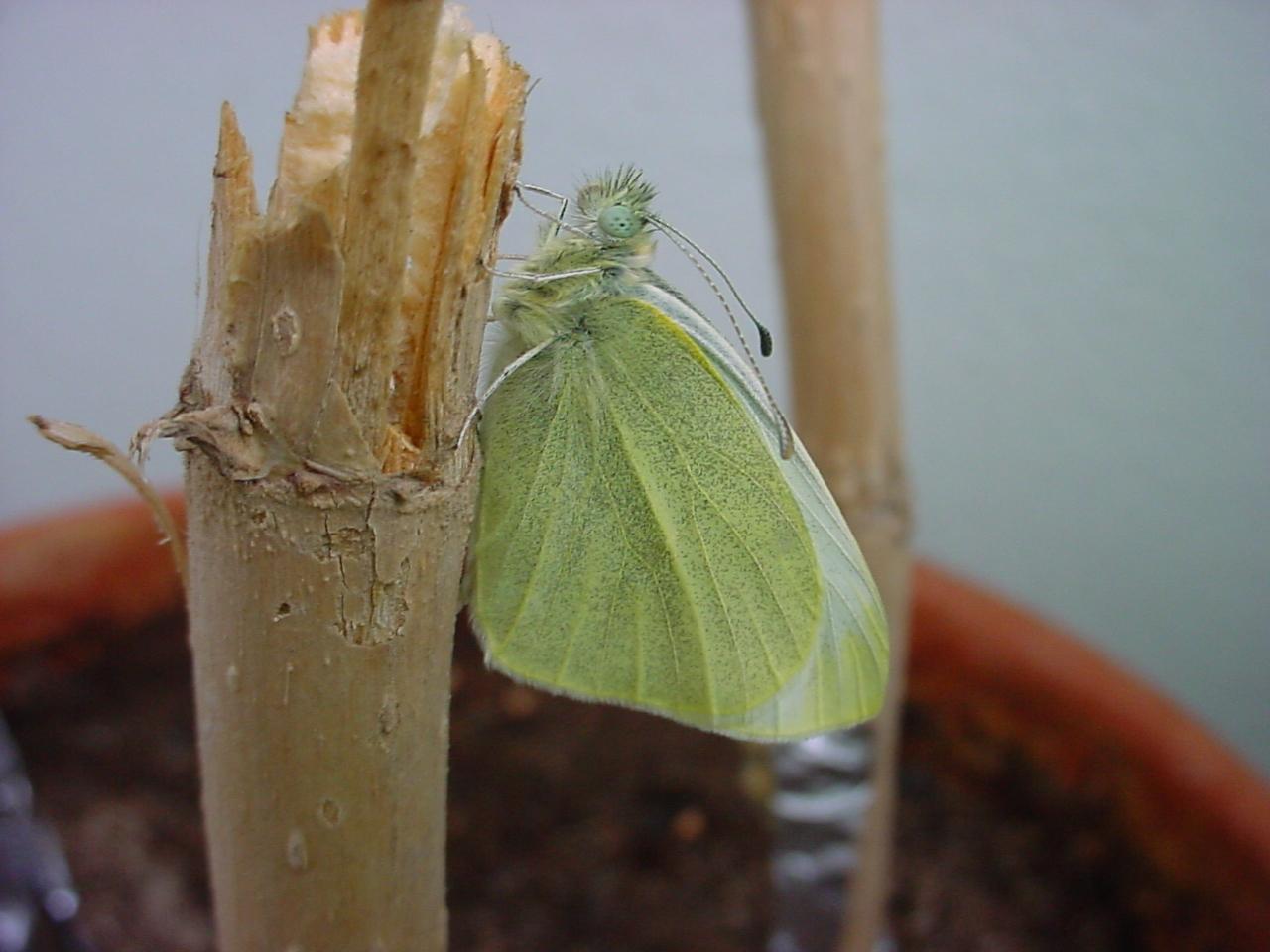
Well‑known instances illustrate the range of metamorphic change. Amphibians such as frogs develop from aquatic tadpoles into terrestrial adults with limbs and lungs (amphibian metamorphosis). In insects, a caterpillar becomes a butterfly through a pupal stage (butterflies), and many social insects emerge from a feeding larval stage into workers or reproductives (bee development).
Mechanisms
The transitions are driven by endocrine signals that coordinate growth, molting and tissue remodeling. In insects, hormones such as ecdysteroids and juvenile hormone regulate the timing of molts and whether a molt produces another juvenile form or an adult. In amphibians, thyroid hormones trigger metamorphic changes of organs and behavior. Cellular processes include programmed cell death, cell proliferation and differentiation.
Ecological and evolutionary significance
Metamorphosis allows a single species to exploit different environments or resources during its life: larvae often specialize in feeding and growth while adults specialize in dispersal and reproduction. This separation can reduce competition between life stages and has been a major factor in the diversification of groups such as insects and amphibians.
Distinctions and applications
Not all organisms with developmental change are said to undergo metamorphosis in the strict sense; gradual development with repeated molts differs from the radical reorganization seen in holometabolous insects. Understanding metamorphosis informs fields from ecology and evolutionary biology to pest management and conservation, where protecting vulnerable life stages or disrupting harmful ones can be important.
Questions and answers
Q: What does metamorphosis in biology mean?
A: Metamorphosis in biology means the process of transformation from an immature form to an adult form in two or more distinct stages.
Q: Can you give an example of an animal that undergoes metamorphosis?
A: Yes, good examples include insects and amphibians.
Q: What are the stages of life for most insects undergoing metamorphosis?
A: Life for most insects begins as a larva or nymph then progresses to the pupa stage and ends as an adult.
Q: Which animals undergo metamorphosis from tadpole to adult?
A: Tadpoles into frogs undergo metamorphosis.
Q: Name an insect that goes through metamorphosis from larva to adult stage.
A: Caterpillars undergo metamorphosis into butterflies.
Q: What happens to bee larva during metamorphosis?
A: Bee larva undergoes metamorphosis and transforms into bees.
Q: Can you name some other animals that go through metamorphosis?
A: Yes, other animals that undergo metamorphosis include spiders and crustaceans.
Related articles
Author
AlegsaOnline.com Metamorphosis: Biological transformation from juvenile to adult Leandro Alegsa
URL: https://en.alegsaonline.com/art/64174