
Kansas: Geography, History, Economy and Cultural Summary
Concise encyclopedia entry on Kansas: its name and Indigenous origins, geography, settlement and Bleeding Kansas, agriculture and industry, major cities, government, and cultural features.
Overview
Kansas is a U.S. state in the Midwestern United States. Its name derives from the Kansa people, a Native group whose name, via a Siouan language, is often interpreted as "people of the south wind." Located near the geographic center of the contiguous United States, Kansas occupies much of the Great Plains and has long been an agricultural and transportation crossroads.
Image gallery
10 Images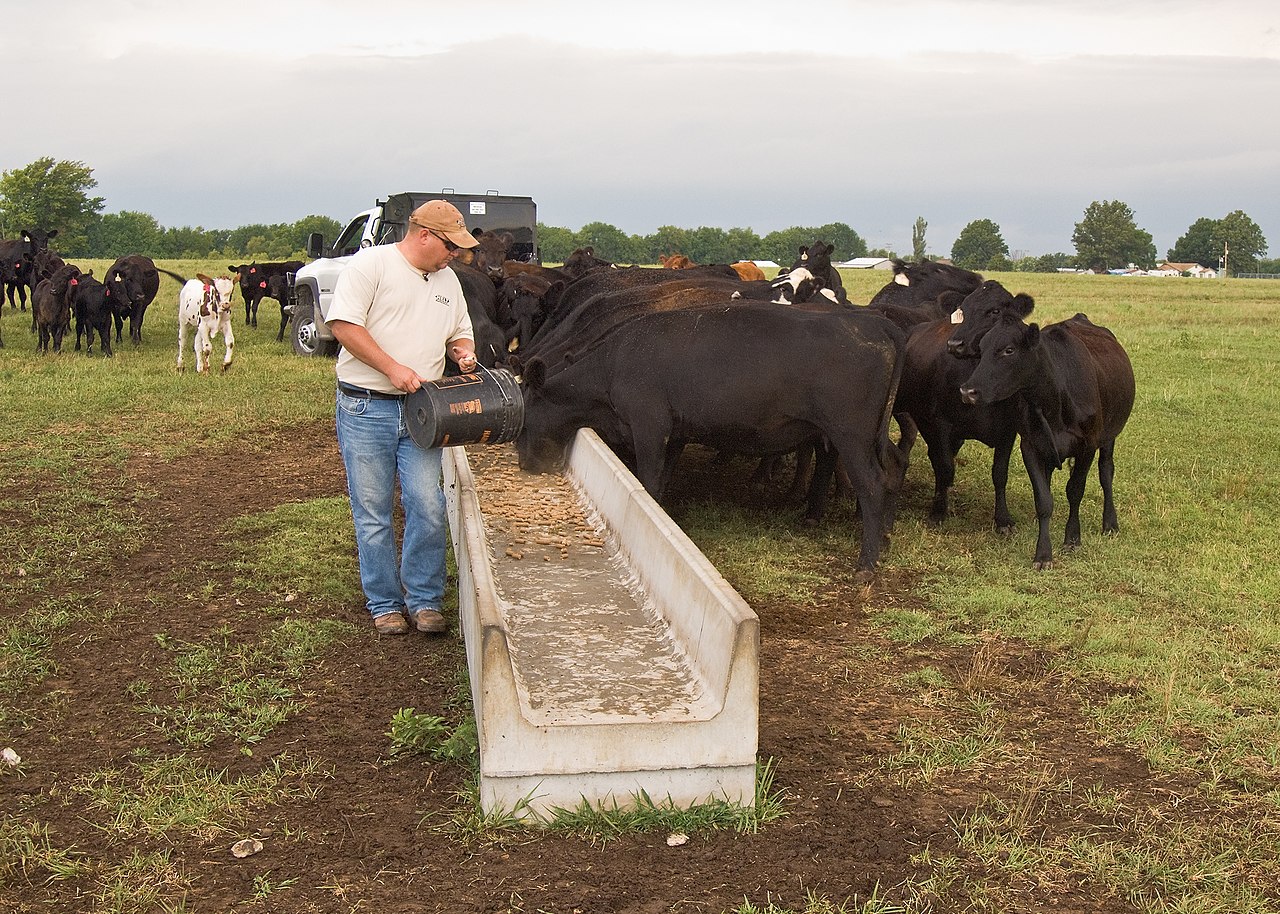




Geography and environment
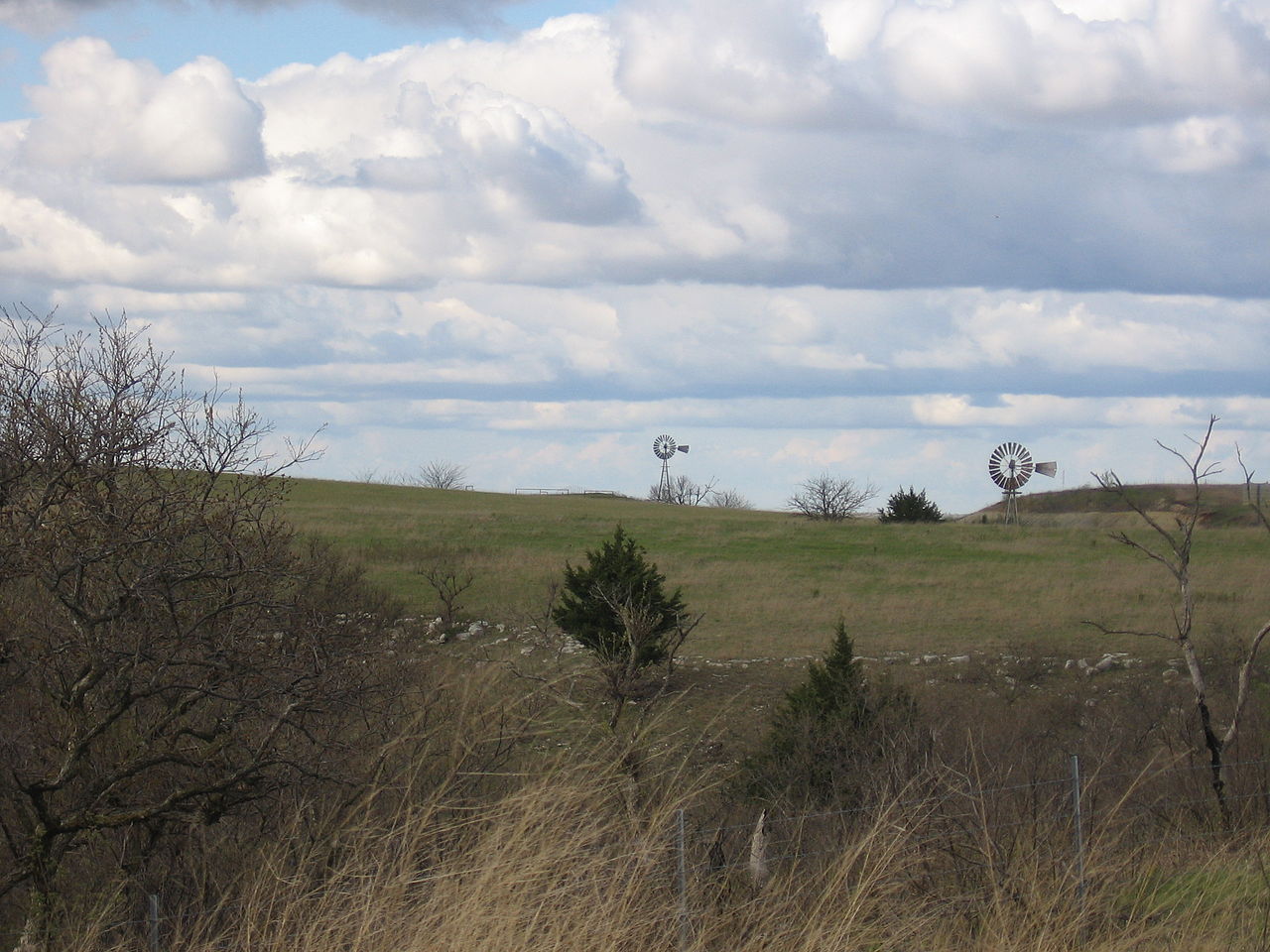
Kansas covers a broad expanse of mostly level to gently rolling land. The state’s terrain includes native prairies, cultivated fields, riparian woodlands along rivers, and small areas of upland forest. The highest natural point is Mount Sunflower, just over 4,000 feet above sea level, which rises subtly from surrounding plains. Major rivers such as the Kansas, Arkansas and Republican contribute to regional irrigation and habitat diversity. The climate is continental, with hot summers, cold winters and a seasonally variable precipitation pattern that supports dryland and irrigated farming but also permits occasional severe weather such as thunderstorms and tornadoes.
Early inhabitants and settlement
Before Euro-American settlement the region was home to Indigenous nations, including the Kansa, Osage, Pawnee and other groups collectively called Native Americans. The land that is now Kansas became part of the United States with the Louisiana Purchase of 1803. An early permanent American presence began in the late 1820s with military posts such as Fort Leavenworth. In the 1850s the U.S. government opened the area to organized settlement and migration, and settlement accelerated after the passage of the Kansas–Nebraska Act of 1854.
Bleeding Kansas and statehood
The Kansas–Nebraska Act allowed territory residents to decide whether slavery would be permitted, prompting a rush of migrants with opposing goals. Anti-slavery organizers from New England and other states, including the Free-Staters and abolitionist groups, clashed with pro-slavery settlers from neighboring Missouri and elsewhere. The resulting period of violence and political conflict—known as Bleeding Kansas—was a major prelude to the American Civil War. The anti-slavery position prevailed and, on January 29, 1861, Kansas joined the Union as a free state, after residents rejected the admission of a slave state.
Population, cities and administration
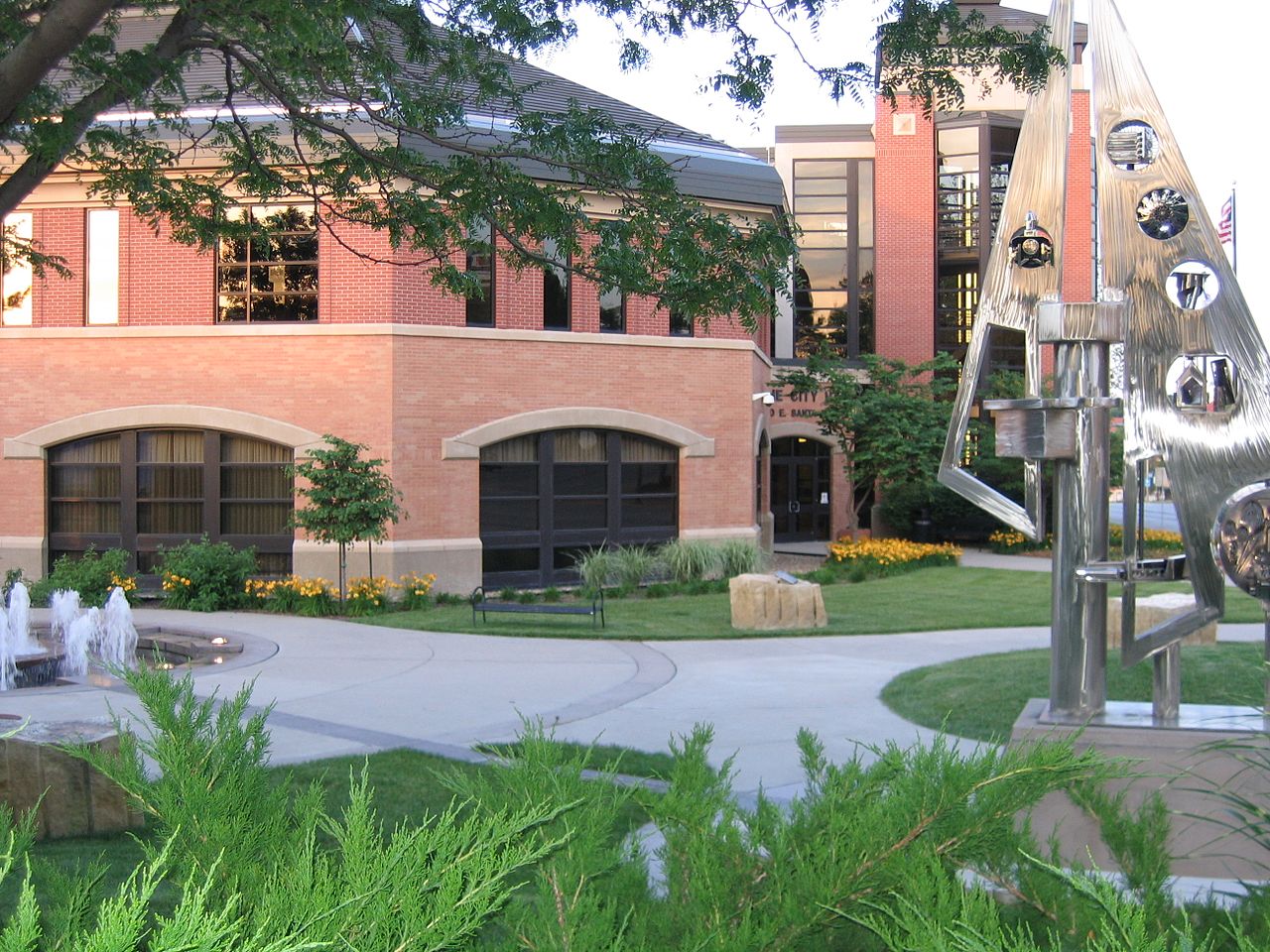
Kansas’s capital is Topeka and its largest city is Wichita, a regional center for commerce and manufacturing. Other population centers include parts of the Kansas City metropolitan area on the state’s eastern border. Residents are commonly called Kansans. The state balances extensive rural agricultural counties with urban and suburban communities that host education, healthcare and manufacturing facilities.
Economy and land use
Kansas has long been a major agricultural producer and is frequently described as part of America's Breadbasket. The state produces large amounts of wheat, soybeans, sorghum and corn, and historically has contributed a substantial share of U.S. wheat output. Agriculture is supported by mechanization, irrigation in some areas, and extensive grain-handling and transportation infrastructure. Beyond farming, Kansas hosts important aviation manufacturing and maintenance facilities, food processing, energy production and communications industries.
Government, education and transportation
Kansas operates under a state constitution with an executive branch led by an elected governor, a bicameral legislature and a state court system. The state supports a range of public and private colleges and universities that serve regional needs and research initiatives. Transportation networks include interstate highways, rail lines that move agricultural and manufactured goods, and several commercial airports that connect Kansas cities to national and international markets.
Culture, recreation and conservation
Kansas culture reflects agricultural traditions, frontier and immigrant histories, small-city civic life and educational institutions. Outdoor recreation is available in state parks, wildlife areas and along rivers; conservation efforts aim to protect prairie remnants and native species while balancing working landscapes. Historic sites and museums interpret Indigenous history, frontier settlement, the territorial struggle over slavery and later 19th- and 20th-century developments.
Quick facts and references
- Region: Midwestern United States.
- Name origin: from the Kansa people; related to Native American languages.
- Entered U.S. possession: Louisiana Purchase.
- Early settlement: military posts such as Fort Leavenworth and later organized migration (settlement history).
- Key events: Kansas–Nebraska Act; Bleeding Kansas; admission as a free state.
- Principal crops: wheat, soybeans, sorghum, corn.
- Industries: aviation, communications, food processing and agriculture.
- Highest point: Mount Sunflower.
- Landscape: prairies and woodlands in the Great Plains.
- Additional data: state area and statistical summaries are available for detailed reference (state area and data).
For specialized topics—climate patterns, city profiles, demographic trends, ecological conservation and detailed economic statistics—consult state publications, local historical societies and academic research. Topics directly related to 19th-century politics and migration include resources on the debate over slavery, anti-slavery and organized Free-Staters, the influence of New England settlers, and cross-border tensions with Missouri.
Questions and answers
Q: What is the pronunciation of Kansas?
A: Kansas is pronounced /kæn'zəs/.
Q: When was the land that would become Kansas purchased?
A: The land that would become Kansas was bought in the Louisiana Purchase in 1803.
Q: When did people first settle in Kansas?
A: People were first allowed to settle in Kansas in 1827 when Fort Leavenworth was built.
Q: What caused a lot of fighting between pro-slavery and anti-slavery people in the 1850s?
A: In the 1850s, many more people came to live in Kansas and this caused a lot of fighting between pro-slavery and anti-slavery people because they wanted to decide whether or not slavery should be allowed. This conflict became known as Bleeding Kansas.
Q: When did Kansas enter the Union?
A: On January 29, 1861, Kansas entered the Union as a free state.
Q: What are some industries found in Kansas?
A: Some industries found in Kansas include aviation, communications, agriculture (corn, sorghum, soybeans and wheat), and manufacturing.
Q: How big is the area ofKansas?
A: The area ofKansas is 82,278 square miles (213,100 square kilometers).
Related articles
Author
AlegsaOnline.com Kansas: Geography, History, Economy and Cultural Summary Leandro Alegsa
URL: https://en.alegsaonline.com/art/52192
Sources
- statesymbolsusa.org : "Kansas State Nickname—The Sunflower State"
- americaslibrary.gov : "Kansas Entered the Union as a Free State"
- census.gov : "State Area Measurements and Internal Point Coordinates"
- water.usgs.gov : "Area of each state that is water" · web.archive.org
- netstate.com : "Kansas Geography from NETSTATE" · web.archive.org
- egsc.usgs.gov : "Elevations and Distances in the United States" · web.archive.org
- kff.org : "Median Annual Household Income" · web.archive.org
- census.gov.html : "U.S. Census website"
- us-english.org : "Governor's Signature Makes English the Official Language of Kansas" · web.archive.org