
Coral: structure, reefs, ecology and conservation
Corals are marine animals that build reefs, host symbiotic algae, and form crucial ecosystems. This article explains their biology, reef formation, threats like bleaching, and conservation approaches.
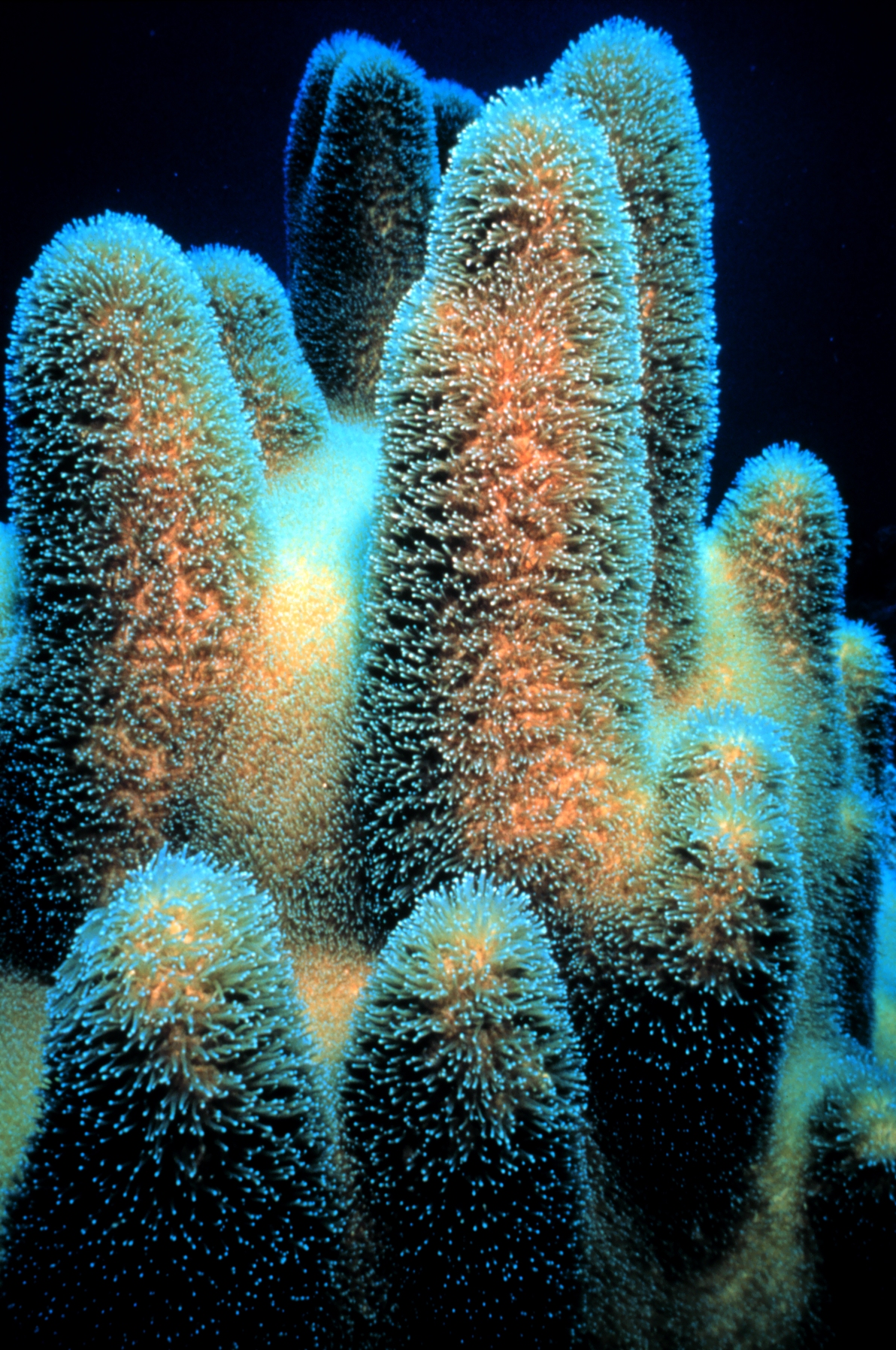
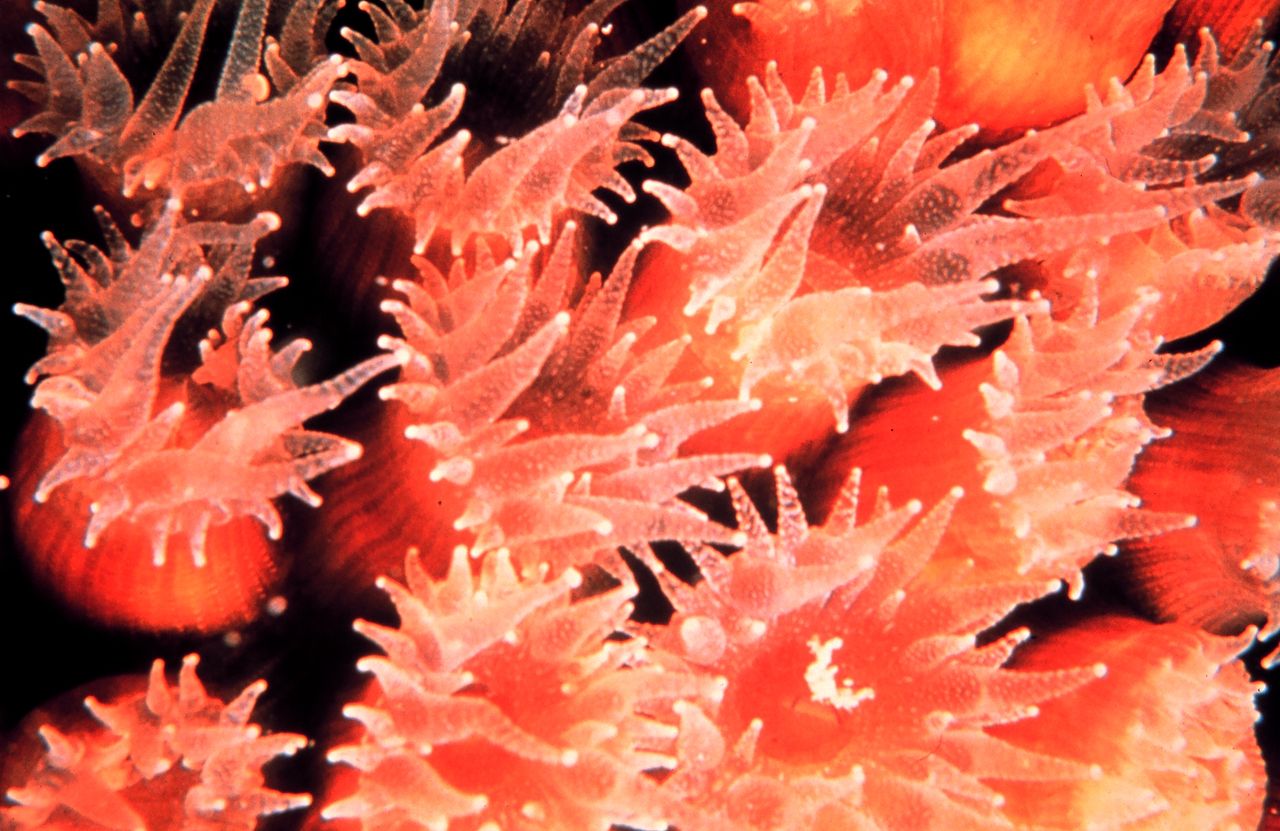
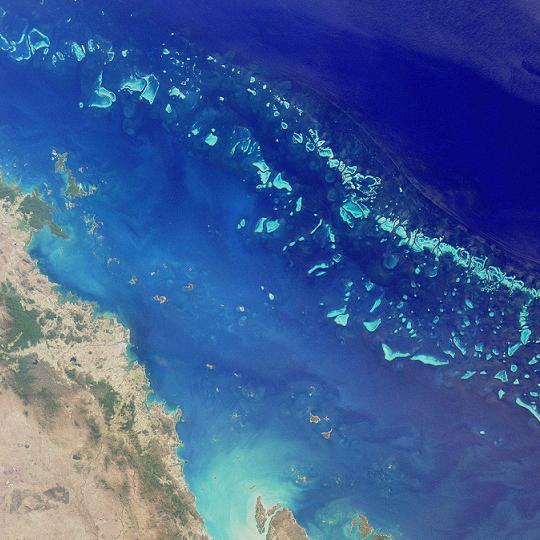
Corals are colonial marine animals built from many tiny individuals called polyps. Each polyp is a simple, soft-bodied organism related to jellyfish and sea anemones; together they secrete a hard skeleton that can form reefs. Most reef-building corals belong to groups within the phylum Cnidaria, but corals vary widely in shape, size and life history across tropical and temperate seas.
Image gallery
10 Images


Structure and life cycle
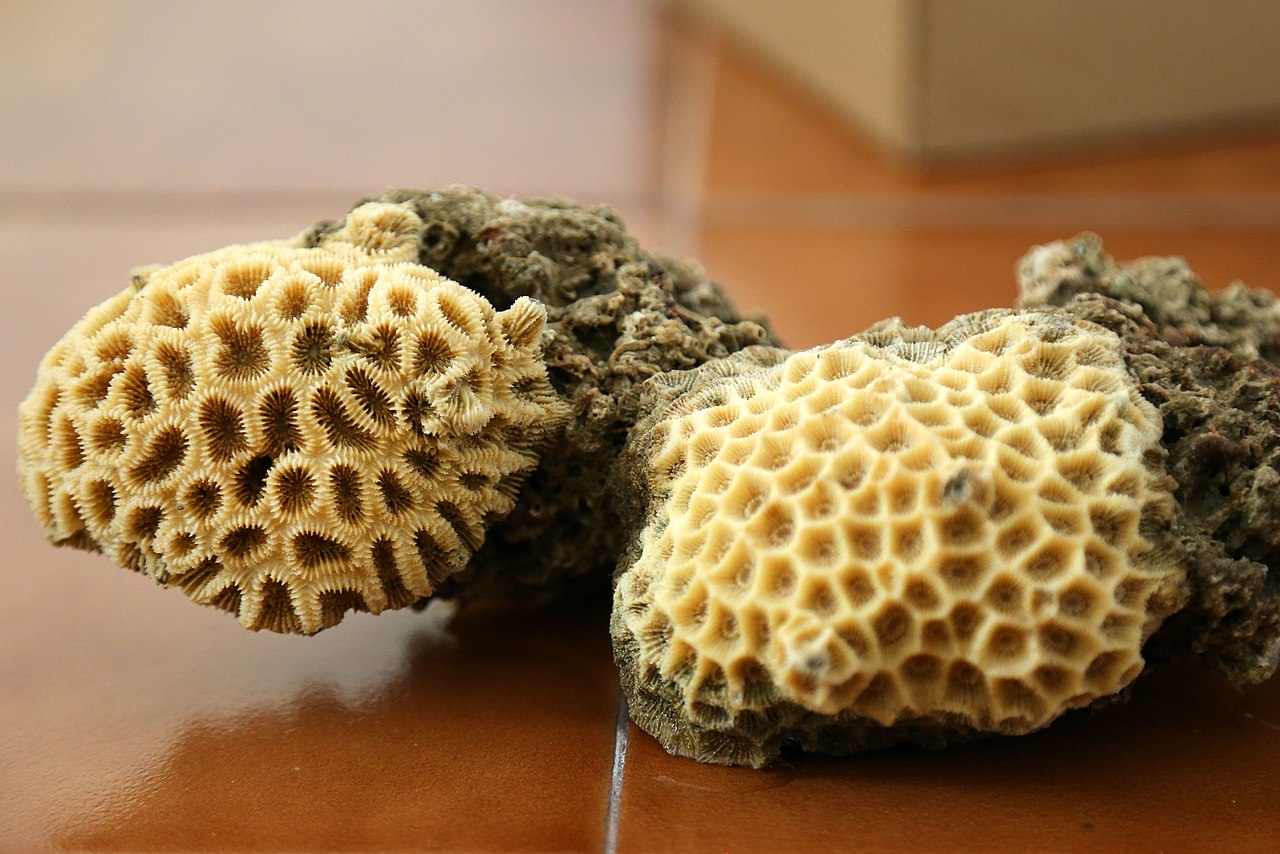
A single polyp has a mouth surrounded by tentacles armed with stinging cells. Corals grow by asexual budding to expand a colony and by sexual reproduction — many species release eggs and sperm in synchronized spawning events. The calcium carbonate skeleton produced by stony corals accumulates over generations into the three-dimensional framework known as a reef.
Symbiosis and ecology
Many reef corals live in partnership with photosynthetic algae (commonly called zooxanthellae) that live inside their tissues. These symbionts provide much of the coral's energy through photosynthesis, enabling rapid calcification and vibrant colors. Coral reefs support diverse communities of fishes, invertebrates and plants and provide ecosystem services such as fisheries and coastal protection.
Threats and conservation
- Climate-driven warming and marine heatwaves cause coral bleaching, when symbiotic algae are lost and corals weaken.
- Ocean acidification reduces calcification, while pollution, overfishing and destructive practices degrade reef health.
- Conservation actions include protected areas, restoration projects, improved land-use practices, and research into resilient strains and assisted gene flow.
Corals are both ancient and dynamic components of marine ecosystems. Some species form massive reef structures that take centuries to develop; others are soft-bodied and do not build reefs. Their diversity and vulnerability make corals focal points for science and conservation. For more background on anatomy, taxonomy and current research see overview materials and further resources.
Related articles
Author
AlegsaOnline.com Coral: structure, reefs, ecology and conservation Leandro Alegsa
URL: https://en.alegsaonline.com/art/23018
Sources
- biophysics.sbg.ac.at : "Field excursion to Milne Bay Province – Papua New Guinea"
- nytimes.com : "Climate-Related Death of Coral Around World Alarms Scientists"
- biolbull.org : "Repopulation of Zooxanthellae in the Caribbean corals Montastraea annularis and M. faveolata following experimental and disease-associated bleaching"
- doi.org : 10.2307/1543614
- jstor.org : 1543614
- pubmed.ncbi.nlm.nih.gov : 11751248
- sciencenews.org : "Reef rehab could help threatened corals make a comeback; Solutions for threatened reefs vary by location and damage done"