
North Dakota
U.S. state in the Upper Midwest and Great Plains. Capital Bismarck, largest city Fargo. Known for agriculture, energy (Bakken oil), low population density, Native American heritage, and continental climate.
Overview
North Dakota is a U.S. state located in the Upper Midwest and central Great Plains of the United States. It is sparsely populated relative to most states; the 2010 census recorded 672,591 residents. The capital and seat of government is Bismarck, while the largest city is Fargo. The state combines wide agricultural plains, river valleys, and areas of rugged badlands.
Image gallery
10 Images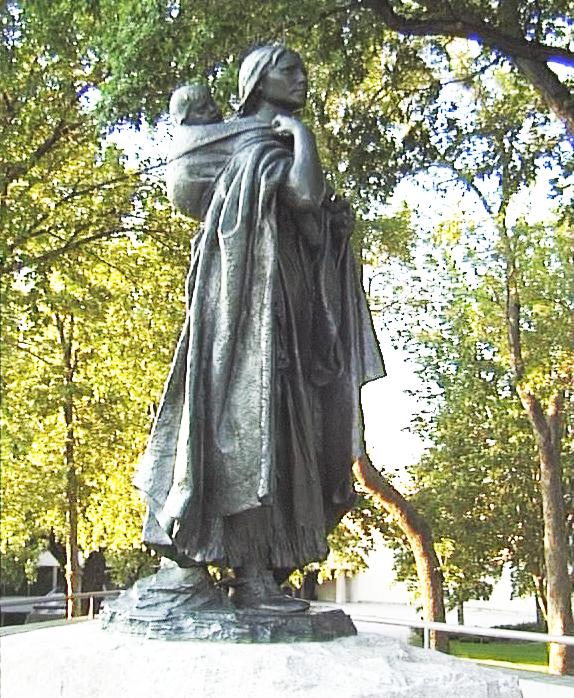




Geography and climate
North Dakota stretches from the Missouri River in the west to the Red River along the Minnesota border in the east. It shares an international boundary with Canadian provinces to the north. The landscape is dominated by rolling prairie, farmland, and pockets of badlands; elevations rise gradually toward the west. The climate is continental, with cold winters, warm summers, and significant seasonal variation in precipitation and temperature.
Economy and land use
Agriculture has long been central to the state's economy: wheat, barley, corn, soybeans, and livestock are important. In recent decades energy production — especially oil development in the Bakken formation — has become a major economic factor, alongside coal, natural gas, and growing wind energy. Manufacturing, higher education, and services also support regional centers.
History and people
Indigenous nations including Sioux (Dakota), Mandan, Hidatsa, and Arikara have long inhabited the region. European-American settlement accelerated in the 19th century with railroad expansion and homesteading. The territory became a state in 1889. Population patterns reflect rural communities, several small cities, and Native American reservations.
Government, culture and institutions
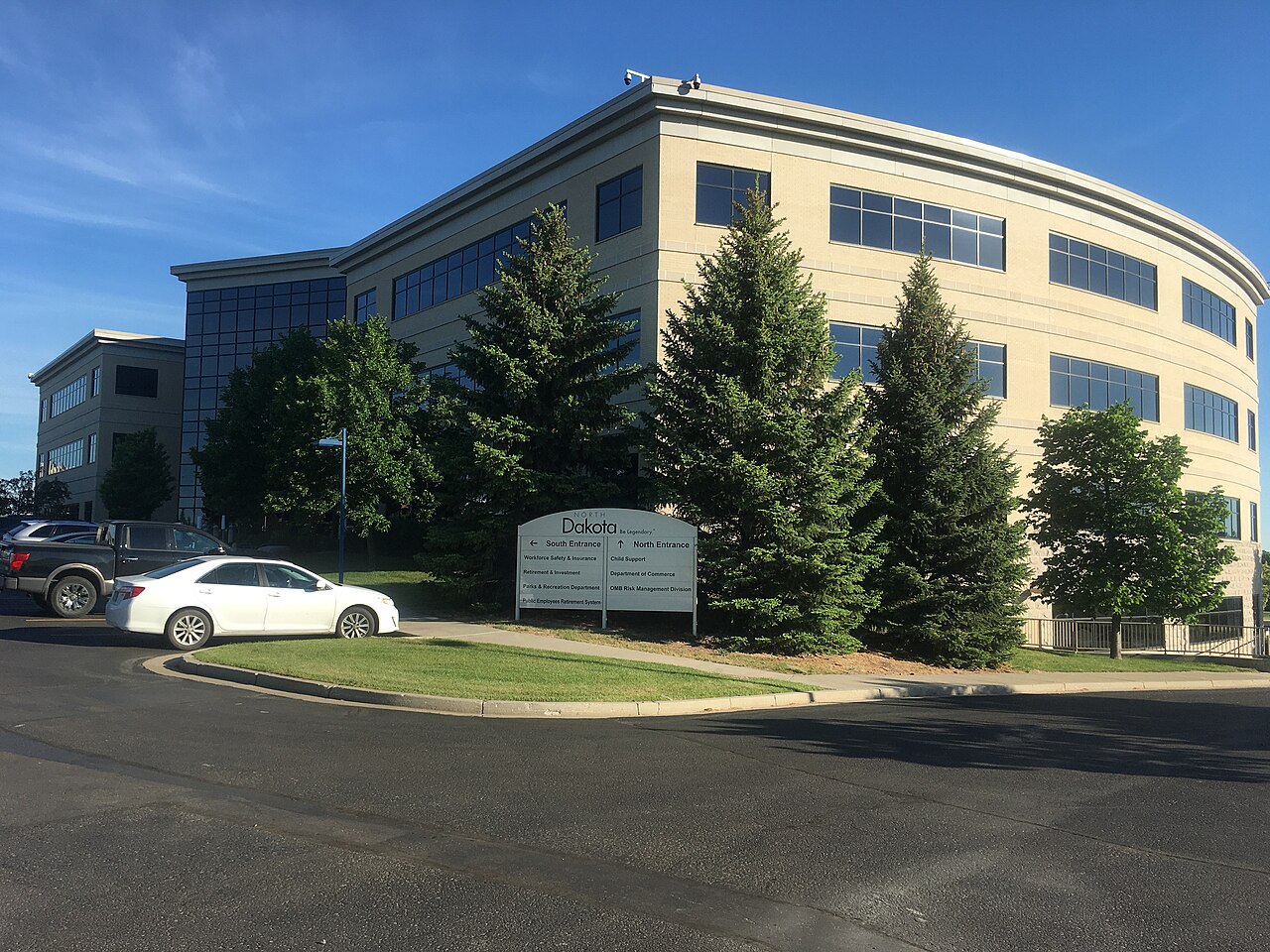
The state government is based in Bismarck. Higher education institutions and research centers appear in cities such as Fargo and Grand Forks. Cultural life includes rodeo and county fairs, Native American heritage events, and museums that interpret frontier and agricultural history. Military installations and regional transportation routes also shape local economies.
Notable facts and distinctions
- Low overall population density compared with most U.S. states.
- Important agricultural production and recent energy development in the Bakken shale basin.
- Scenic national parklands and river valleys, including areas preserved for prairie and wildlife.
- Presence of several federally recognized tribes and reservation lands contributing to cultural diversity.
For more detailed state information and resources, consult state agencies, local historical societies, and academic publications that focus on Great Plains history and economy.
Related articles
Author
AlegsaOnline.com North Dakota Leandro Alegsa
URL: https://en.alegsaonline.com/art/70860
Sources
- commons.wikimedia.org : North Dakota
- census.gov : "Population and Housing Unit Estimates"
- kff.org : "Median Annual Household Income"