
Wisconsin (U.S. state)
Midwestern U.S. state on the Great Lakes with diverse landscapes from forests to farmland. Capital Madison, largest city Milwaukee; known for dairy, manufacturing, lakes, outdoor recreation and university research.
Wisconsin is a state in the north-central United States that combines freshwater coastline, agricultural plains and forested highlands. It borders two of the Great Lakes via Lake Superior and Lake Michigan, and shares land boundaries with Illinois, Iowa, Michigan and Minnesota. The state capital is Madison, while Milwaukee is the largest city and an industrial and cultural center.
Image gallery
10 Images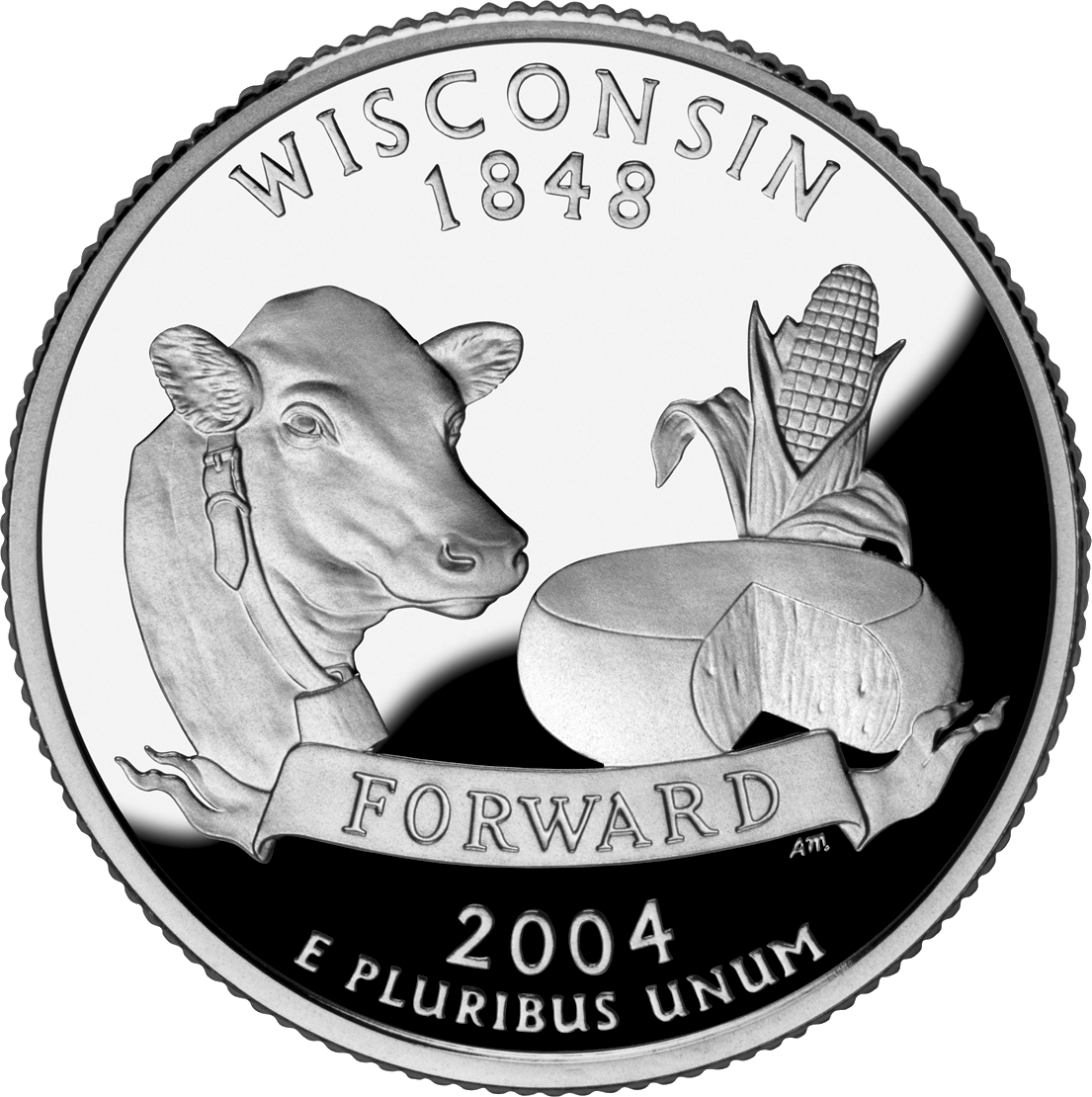



Geography and climate
The landscape ranges from the glacially sculpted shores of the north to rolling farmland and river valleys in the central and southern parts. Major river systems include tributaries of the Mississippi River and streams that flow to the Great Lakes. The climate is continental, with cold winters and warm summers; seasonal variation supports mixed forests, wetlands and productive agricultural land.
Economy and land use
Agriculture, manufacturing and services form the core of the state's economy. Wisconsin is widely known for its dairy industry and cheese production, and it also hosts food processing, machinery, paper and medical-technology industries. Urban areas provide centers for higher education, health care and research, while tourism around lakes, forests and winter recreation contributes to local economies.
History and culture
Indigenous peoples inhabited the region for millennia before European contact. The area later became part of the French fur trade, then a U.S. territory, and it joined the Union in the mid-19th century. Immigrants from Germany, Scandinavia and other regions influenced settlement patterns, language and cultural traditions. Wisconsin maintains vibrant folk music, brewing and festival traditions, and a strong connection to outdoor life.
Government, education and transport
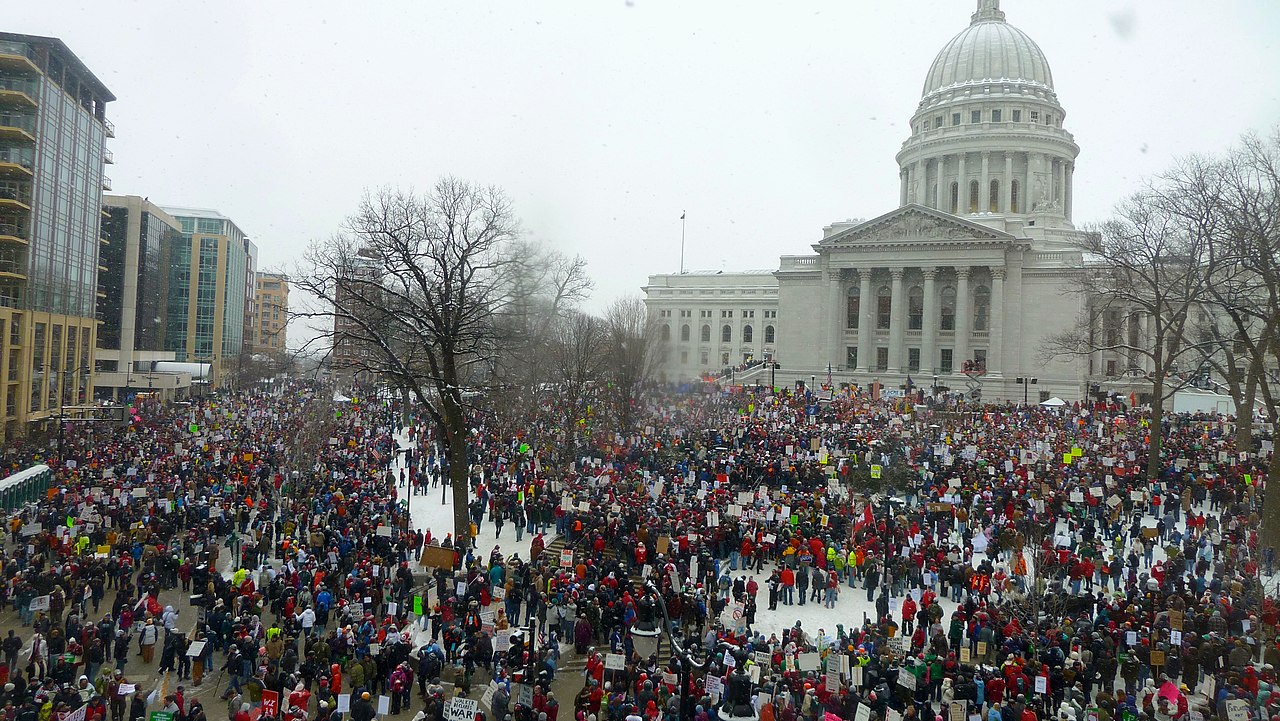
State government is centered in Madison, which is also home to a major public university and research institutions. Local government structure includes counties and municipalities. Transportation networks connect cities and rural areas by highways, regional rail and waterways; ports on the Great Lakes and inland rivers support commerce and recreation.
Recreation and natural resources
State and national parks, forestlands and a network of lakes and rivers offer boating, fishing, snow sports and hiking. Conservation of wetlands and forest acreage is important for wildlife, recreation and water quality. Visitors and residents alike value the blend of accessible natural areas and cultural attractions in cities and towns.
Quick facts and distinctions
- Borders: Illinois, Iowa, Minnesota, Michigan
- Great Lakes access: Lake Superior and Lake Michigan
- Capital: Madison; largest city: Milwaukee
- Regions: northern forests, central plains and southern urban corridors; see state overview
- Nicknames: America's Dairyland and the Badger State
For students, travelers and residents, Wisconsin offers a mix of freshwater coastline, agricultural landscapes and midwestern urban life, with cultural traditions rooted in its indigenous heritage and immigrant communities. Further resources on geography, history and travel are available through regional guides and official state information hubs.
Questions and answers
Q: What is Wisconsin?
A: Wisconsin is a state located in the north-central part of the United States.
Q: Which states border Wisconsin?
A: Illinois, Iowa, Michigan, and Minnesota border Wisconsin.
Q: What are the two Great Lakes that border Wisconsin?
A: Two of the five Great Lakes that border Wisconsin are Lake Michigan and Lake Superior.
Q: What is the capital city of Wisconsin?
A: The capital city of Wisconsin is Madison.
Q: Which is the biggest city in Wisconsin?
A: The biggest city in Wisconsin is Milwaukee.
Q: How many states border Wisconsin?
A: Four other states (Illinois, Iowa, Michigan and Minnesota) border Wisconsin, in addition to the two Great Lakes.
Q: In which region of the United States is Wisconsin located?
A: Wisconsin is located in the north-central region of the United States.
Related articles
Author
AlegsaOnline.com Wisconsin (U.S. state) Leandro Alegsa
URL: https://en.alegsaonline.com/art/108682
Sources
- census.gov : "Wisconsin: Population estimates"
- kff.org : "Median Annual Household Income"
- wisconsinhistory.org : "Wisconsin State Symbols"
- wisconsinhistory.org : "Wisconsin's Name: Where it Came from and What it Means"
- americanjourneys.org : "The Mississippi Voyage of Jolliet and Marquette, 1673"
- worldcat.org : 31431651
- content.wisconsinhistory.org : "Stephen H. Long and the Naming of Wisconsin"
- uwex.edu : "Climate of Wisconsin"
- doa.state.wi.us : "Number and Percent of Total Population by Urban/Rural Categories for Wisconsin Counties: April 1, 2000"
- jsonline.com : "City drops out of top 20"
- factfinder.census.gov : U.S. Census Bureau, "Wisconsin -- GCT-T1-R. Population Estimates"