
Missouri (U.S. state)
Midwestern U.S. state at the confluence of the Mississippi and Missouri rivers. Capital Jefferson City; major cities include Kansas City and St. Louis. Varied landscapes from plains to the Ozarks.
Missouri is a U.S. state in the central Midwestern region, known for its rivers, crossroads location and varied landscapes. It is one of the 50 U.S. states within the United States. The state capital is Jefferson City. Missouri was admitted to the Union on August 10, 1821, following settlement and political developments tied to the early 19th century.
Image gallery
10 Images



Geography
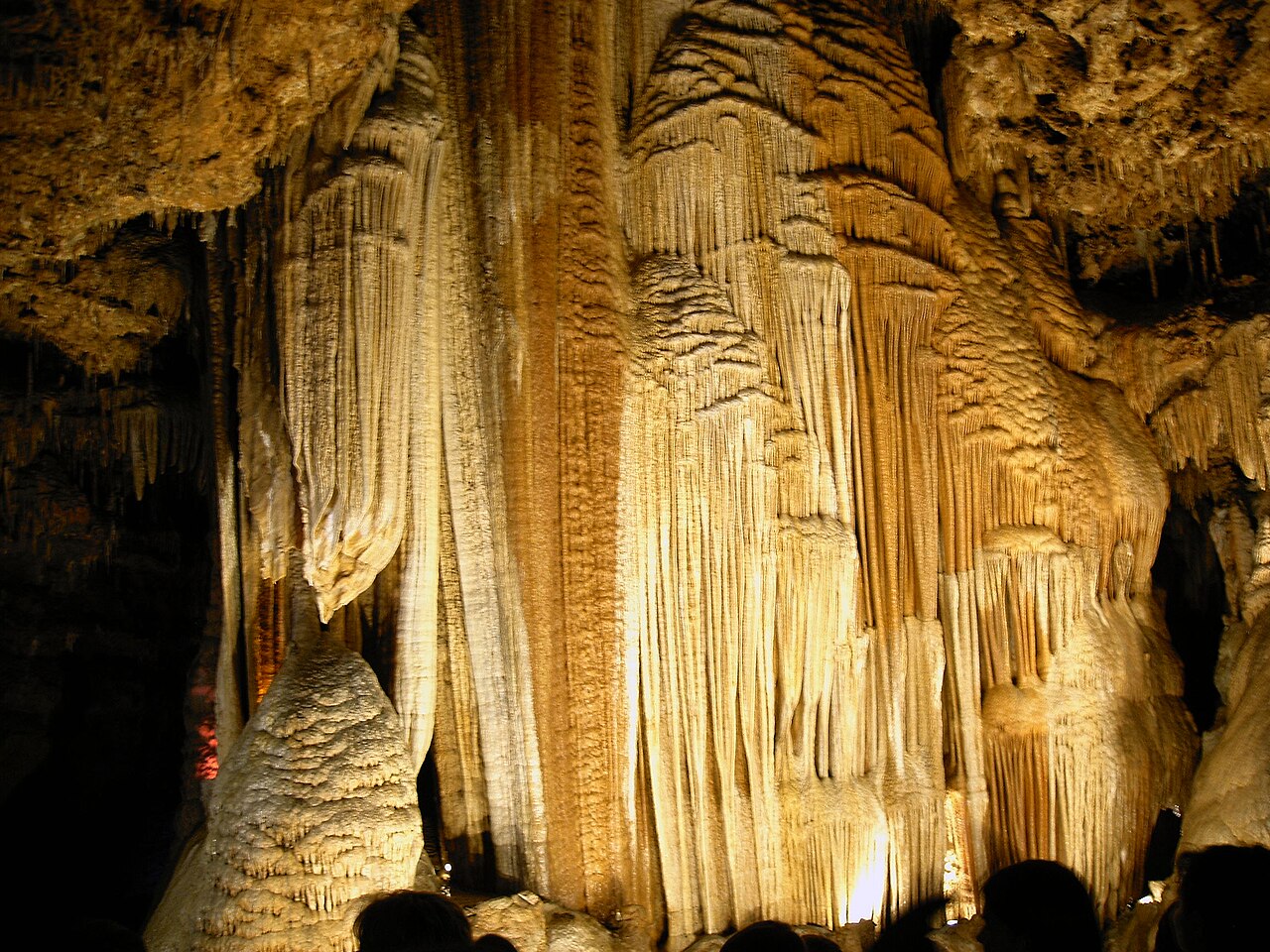
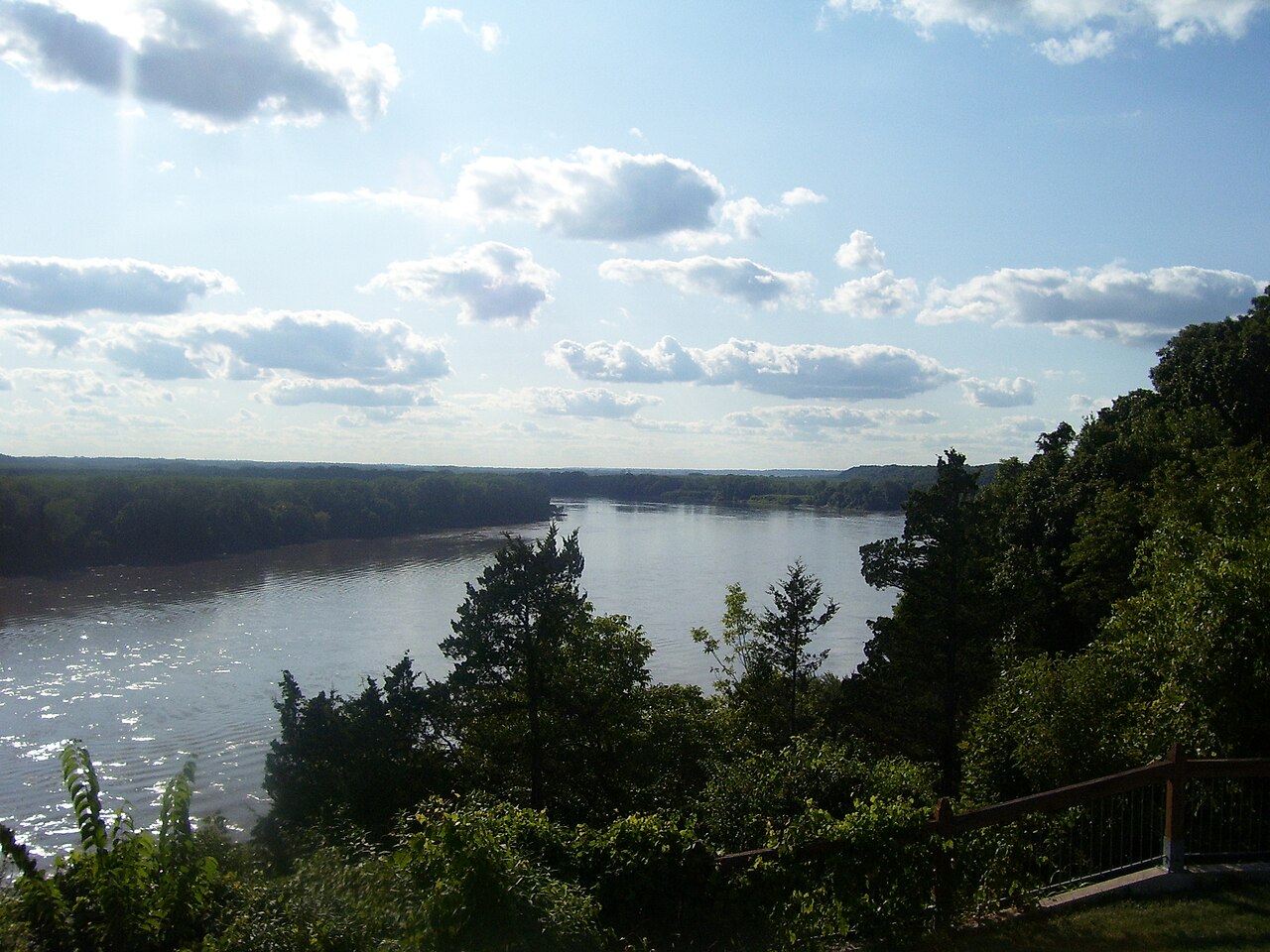
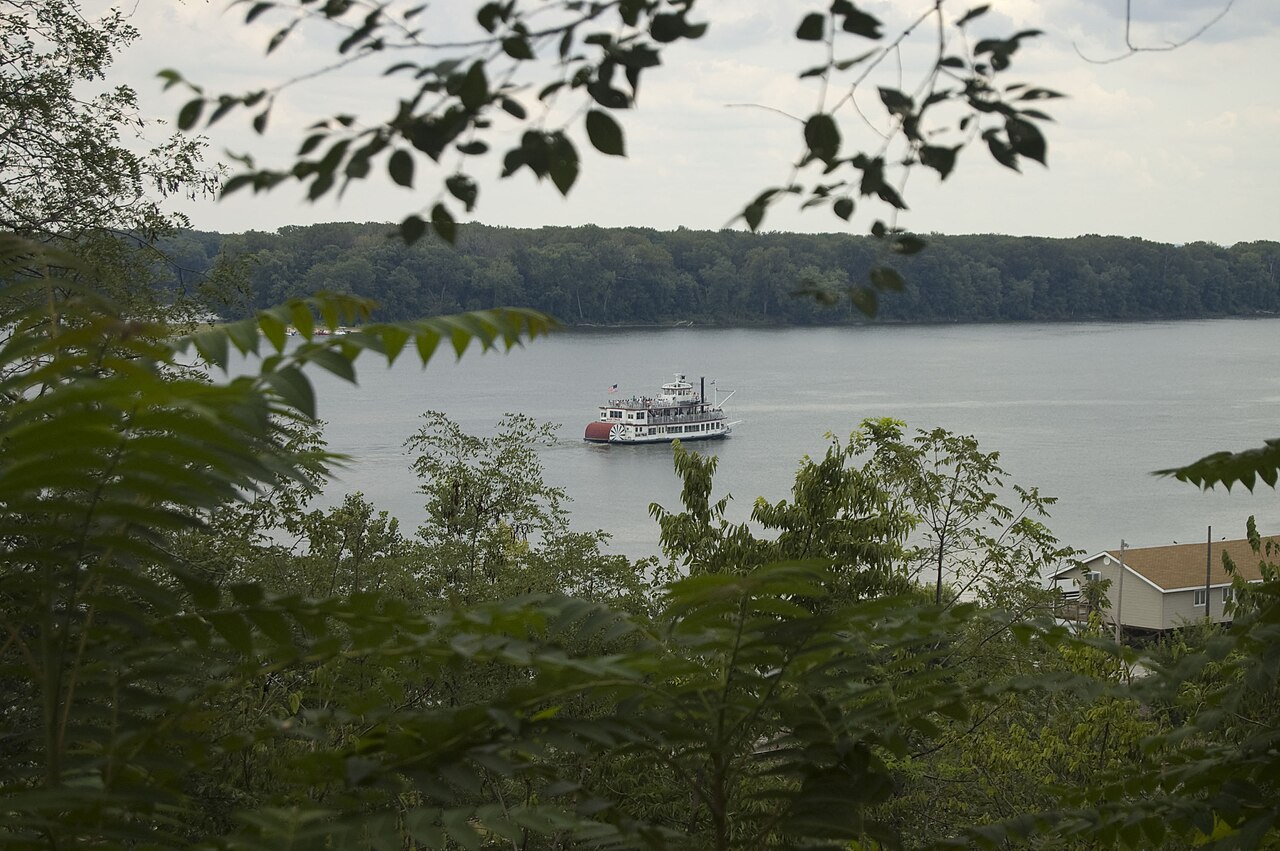
Missouri occupies a transitional zone between the agricultural northern plains and the forested highlands of the Ozarks in the south. Two major rivers define much of its geography: the Missouri River, which flows from the west and joins the Mississippi River in the eastern part of the state. The state shares borders with eight states: Iowa to the north; across the Mississippi to the east are Illinois, Kentucky and Tennessee; Arkansas lies to the south; and to the west are Oklahoma, Kansas and Nebraska. Climate varies from humid continental in the north to humid subtropical in the south, with four distinct seasons and local variation influenced by topography.
History
The area that became Missouri was originally inhabited by Indigenous peoples and later visited by European explorers and French colonists. The territory was incorporated into the United States through the Louisiana Purchase and developed during the 19th century as settlers moved west. Statehood in 1821 came amid national debates over the extension of slavery and representation. During the 19th and early 20th centuries Missouri served as a gateway for westward migration and industrial growth.
Cities, education and culture
Major population centers include Kansas City in the west and St. Louis on the eastern border; other important cities are Columbia—home to the University of Missouri system—and Springfield. Urban areas support universities, hospitals, cultural institutions and arts scenes. Missouri has notable musical and culinary traditions, including contributions to jazz and distinctive regional barbecue styles. Landmarks such as the Gateway Arch in St. Louis reflect the state's historic role as a point of departure for western exploration.
Economy and natural resources
The state's economy is diverse, combining agriculture (corn, soybeans, livestock), manufacturing, transportation, aerospace and service sectors. River systems historically shaped trade and settlement; rail and highway networks continue to link Missouri to regional markets. Forests, lakes and the Ozark Plateau support recreation and tourism, including fishing, hiking and boating in national and state parks.
Government and public services
Missouri's state government operates from Jefferson City and includes executive, legislative and judicial branches. Education and public health services are provided through state and local agencies, with public universities and community colleges distributed across the state. Transportation infrastructure includes river ports, interstate highways and commercial airports serving both freight and passengers.
For readers seeking further regional information and statistics, consult official state resources and regional guides: major cities and statistics, local university collections and state archives. Additional travel and geographic information is available from state parks and tourism offices: Kansas City resources, Columbia regional guides, and resources for the Ozarks and waterways (Missouri River, Mississippi River).
Neighboring-state profiles and maps can offer further context: Iowa, Illinois, Kentucky, Tennessee, Arkansas, Oklahoma, Kansas, and Nebraska.
Related articles
Author
AlegsaOnline.com Missouri (U.S. state) Leandro Alegsa
URL: https://en.alegsaonline.com/art/65512
Sources
- simple.wiktionary.org : simple.wiktionary.org/wiki/Special:Search/Missouri
- commons.wikimedia.org : commons.wikimedia.org/wiki/Special:Search/Category:Missouri
- en.wikinews.org : en.wikinews.org/wiki/Special:Search/Missouri
- en.wikiquote.org : en.wikiquote.org/wiki/Special:Search/Missouri
- en.wikisource.org : en.wikisource.org/wiki/Special:Search/Missouri
- en.wikibooks.org : en.wikibooks.org/wiki/Special:Search/Missouri
- en.wikivoyage.org : en.wikivoyage.org/wiki/Missouri
- en.wikiversity.org : en.wikiversity.org/wiki/Special:Search/Missouri